Key Signs Your Bathtub or Shower Might Have Hidden Plumbing Issues
Did you know that hidden plumbing problems behind your bathtub or shower can sneak up on you, potentially causing structural damage, mold growth, and higher utility bills over time? This guide will walk you through what to look for, the modern tools experts use, some DIY checks you can do, and when it’s time to call a plumber. Whether you own a home or manage a rental, identifying these issues early can save you money, reduce disruptions, and keep your indoor air quality safe.
Spotting a hidden plumbing problem starts with knowing the signs and what tools and services are out there. For regular inspections or if you need help with tricky leaks, think about reaching out to a residential plumbing expert for a thorough check. In this post, we’ll cover industry practices, new tech, and real-world stories so you can act quickly if you suspect a leak.
Why catch it early? According to the U.S. Environmental Protection Agency, household leaks can waste almost 10,000 gallons of water a year, which hits your wallet and the environment. Find out what to watch for, how pros find those sneaky leaks, what you can try yourself, and the latest solutions that can save you from big repair bills.
Understanding Hidden Plumbing Problems: What Are They and Why They Matter?
So, what’s a hidden plumbing problem?
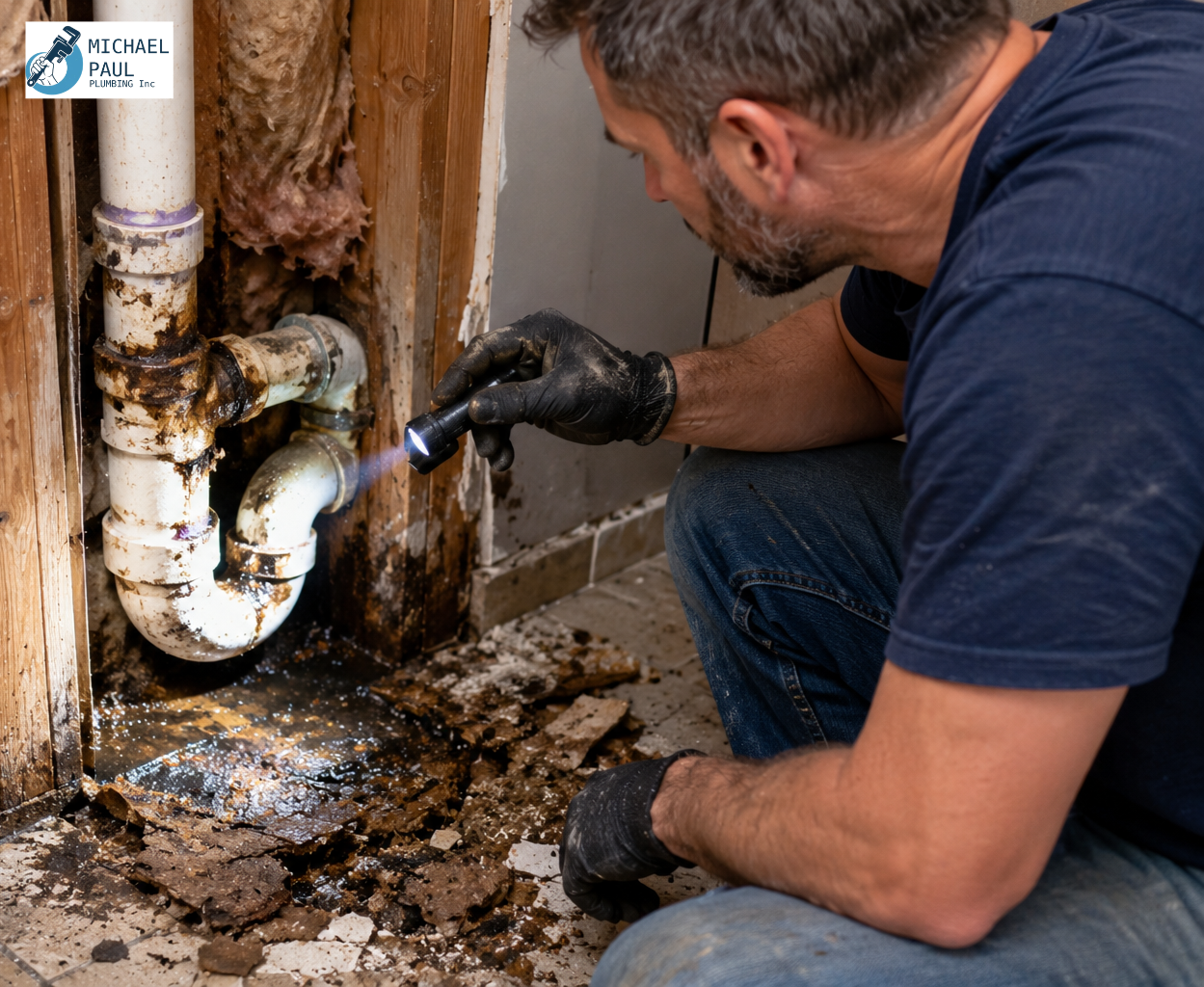
Hidden plumbing issues are leaks, pipe corrosion, or fixture failures that you can't see because they happen behind walls or under tubs. These problems often start small, like a slow drip or a tiny crack. Even if everything seems fine on the outside, water could be escaping into your walls, subfloors, or ceilings, leading to big problems later.
If left unchecked, these leaks can rot your framing, weaken floors, and attract mold or pests. Fixing structural damage and mold is usually pricier than fixing the plumbing itself, so spotting issues early is a smart move financially.
The pros define hidden problems by where they are and how hard they are to spot. A problem is considered "hidden" if you need to open walls or use special tools to find it. But with modern diagnostics, you can often catch these issues before needing major work.
Why are bathrooms such trouble spots?
Bathrooms use a lot of water and have many places where it can leak out: shower valves, tub spouts, drains, and grout lines. Steam and water can wear down sealants and grout faster, and small spaces behind tubs can hide slow leaks. Plus, plumbing often runs through shared walls and floors, so a problem in one spot can affect other areas.
Heavy rain, temperature changes, and freeze-thaw cycles can worsen these vulnerabilities, especially in regions like Arlington Heights with variable weather. Regular checks and timely repairs can help prevent leaks from starting during extreme weather.
Bathrooms are essential to daily life, so hidden plumbing problems can be a real hassle when they become urgent. By taking preventive measures and recognizing common signs, you can avoid last-minute emergencies and keep your peace of mind.
The costs and health impacts
Hidden leaks cost more than just money on your water bill. Fixing structural damage, mold, and replacing finishes can be costly. Health-wise, ongoing moisture can lead to mold and mildew, which can worsen asthma and allergies. The CDC has advice on mold and health, highlighting why it’s important to tackle moisture problems quickly (CDC: Mold).
Water waste also impacts the environment. Fixing leaks helps conserve water and reduces the load on municipal systems. The EPA offers handy resources on finding and fixing leaks (EPA: Fix a Leak).
Spending a little on regular inspections and repairs can save you money in the long run and improve your indoor air quality, making it a smart choice.
Early Signs of Hidden Bathtub and Shower Leaks
Musty or mildew smells that linger
A musty smell in your bathroom is a reliable hint that there might be hidden moisture. Mold and mildew love damp, dark spots and can create smells before you see any stains. If cleaning and better ventilation don’t make the smell go away, it might mean there’s a leak behind your walls or under the tub.
Notice where the smell is strongest and if it gets worse after showers or baths. This can help pinpoint where the leak might be. Often, you’ll need to address plumbing entry points, dry out the area, and fix the leak to get rid of the smell for good.
If you think mold is coming from a hidden leak, check out guidance from the CDC on what to do and health considerations (CDC: Mold). Professionals can map moisture and test for mold to figure out the extent and what needs doing.
Stains, discoloration, or bubbling paint on walls and ceilings
Stains on walls or ceilings near a bathroom often mean water is coming from a hidden source. Stains might look yellowish or brownish and spread slowly over time. If water hits drywall or paint a lot, it might bubble, peel, or blister before you see the underlying issue.
Check ceilings below bathrooms and look at baseboards for swelling. Small stains that reappear after cleaning suggest the leak is still happening and needs quick attention. Taking pictures over time can show how it’s progressing and help technicians figure out what's going on during an inspection.
Visible stains should lead to a professional inspection because you can’t tell where the water is coming from just by looking; water can travel along beams or pipes and show up far from the leak.
Soft, spongy flooring around tubs or showers
If the floor near your tub or shower feels soft or spongy, it’s a sign of water infiltration. Step around the area and see if it feels different from the rest of the bathroom. Cabinets near wet areas might also show swelling or warping.
Soft floors can mean rotting wood or joists and need fast evaluation to decide if it’s a small repair or needs major work. Often, the plumbing repair is the cheapest part of fixing structural damage.
To prevent things from getting worse, limit use of the fixture and consult a professional who can use targeted testing to find the leak before opening the floor or wall.
Sudden spikes in water bills
If your water bill suddenly goes up for no reason, it might mean there’s a hidden leak. Compare your recent bills to past ones for the same time of year; leaks often show as unusual usage when your habits haven’t changed. This is especially useful if you’re not seeing signs but notice a financial hit.
To check if the leak is inside, turn off all water outlets and watch the water meter. If it keeps moving, there’s likely a leak. This DIY step often prompts homeowners to get a professional to find and fix the leak when the meter shows water usage with no fixtures running.
If you suspect a hidden leak after checking your meter, arrange for a professional to evaluate, localize, and repair the issue to prevent further waste and damage.
Modern Tools and Techniques for Leak Detection
Thermal imaging cameras: what they do
Thermal imaging uses infrared to detect temperature differences on surfaces, helping technicians find cold spots from evaporative cooling or warm spots from leaks. Because moisture and water have different thermal signatures than dry materials, thermal cameras can highlight potential issues without tearing down walls or tiles.
Thermography is handy when you need a quick inspection or want to avoid demolition. A professional will scan walls, ceilings, and floors to map out concerns and only open up areas that really need it. For more on thermography, check out the Wikipedia page (Thermography).
While thermal imaging is a great tool, it doesn’t always find the exact leak source. Pros often use it with moisture meters and acoustic detectors for more accuracy.
Moisture meters and hygrometers for precision
Moisture meters measure how much moisture is in wood, drywall, and other materials. Pin-type meters use probes to measure conductivity, while pinless meters use signals to estimate moisture without poking the material. Hygrometers check humidity levels, hinting at leaks or poor ventilation.
With moisture meters, a professional can trace moisture back to its source, minimizing unnecessary wall openings and speeding up repair decisions. Keeping consistent readings before and after repairs also confirms that everything is dry and fixed properly.
When choosing a service, ask if the plumber uses both thermal imaging and moisture meters; using both gives better diagnostic confidence and less invasive repair planning.
Acoustic leak detection and smoke testing
Acoustic leak detection listens for water escaping under pressure, effective on hot and cold water lines. Using microphones and listening devices, technicians can pinpoint leaks, even in noisy environments or behind thick walls.
Smoke testing is mainly for drains and sewer lines; non-toxic smoke is used to find breaches by escaping where the system is compromised. For bathtub and shower leaks involving drain traps, smoke testing can reveal hidden breaches.
Acoustic and smoke methods work well with thermal and moisture diagnostics, giving technicians multiple ways to find the problem before any cutting is done.
DIY Detection and Troubleshooting Tips
Simple tests you can try safely
Start with the basics: keep an eye on your water meter with all fixtures off to detect usage, check for stains and soft floors, and use your nose for musty smells after a shower. These simple checks are good first steps and provide info you can share with a professional.
If you see water pooling or notice dripping from the ceiling, stop using the fixture and call for help. For slower issues like stains or smells, note when you notice them (like after showers or overnight) to help the technician reproduce conditions during inspection.
Avoid doing any major DIY work like opening walls unless you’re trained and know local codes. Improper cutting can damage electrical components, vapor barriers, or structural parts and might void warranties or insurance.
When to check the shower valve and drain assembly
Some hidden leaks start at the shower valve or drain flange. Look at the cartridge and seals for corrosion, mineral buildup, or dampness. If the tub overflows or drains slowly, the problem might be in the trap or drain connection, accessible from under the tub or through an access panel.
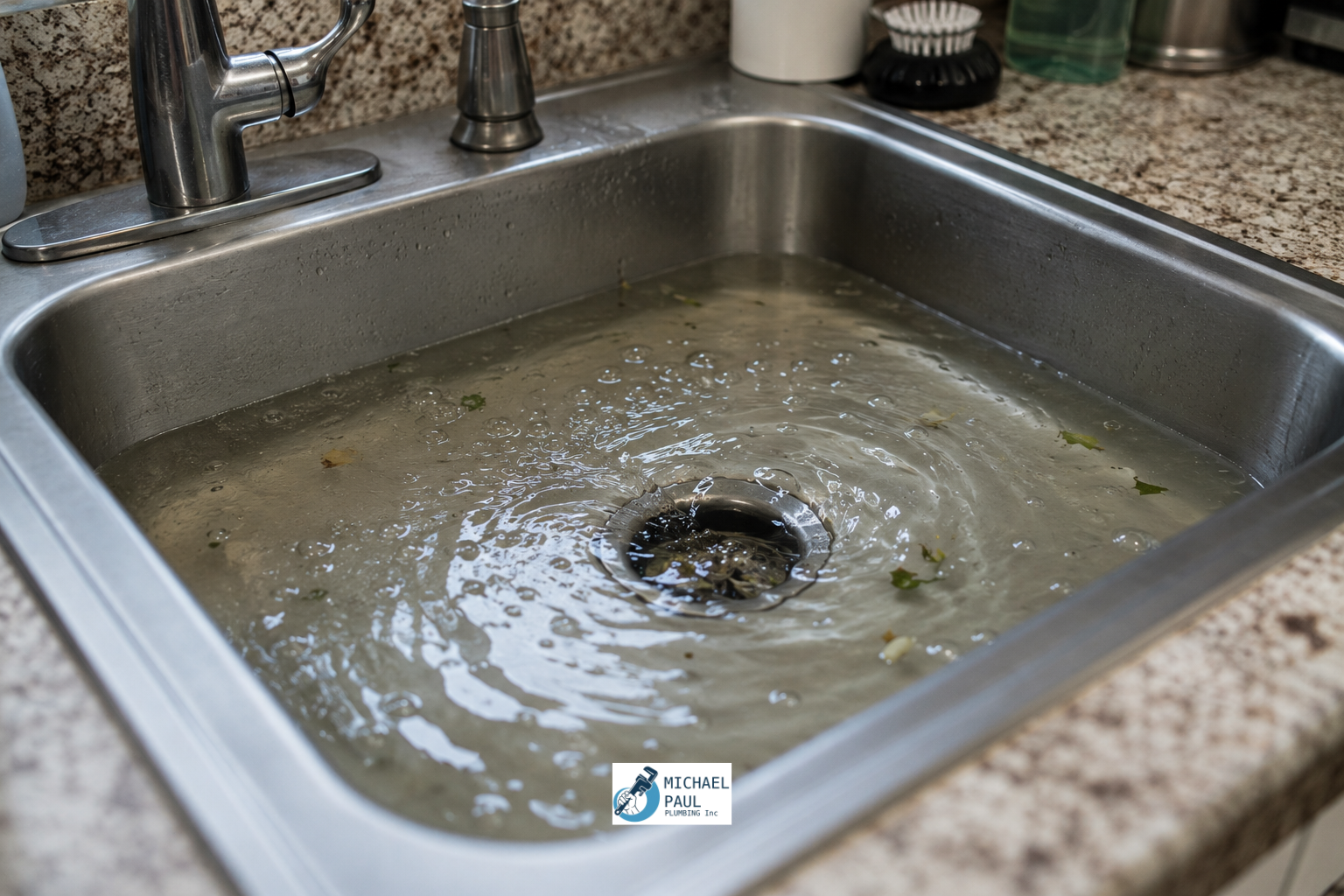
Slow drains or repeated clogs might be due to partial blockages that impair flow and cause leaks at weak joints. If plungers and drain cleaners don’t work, get a professional inspection; they can use a camera to inspect the drain line and determine if it’s a blockage, pipe damage, or improper slope.
If you find loose parts or gaps around the valve trim, tightening or re-caulking might temporarily stop surface leakage, but if dampness persists, you’ll need professional help.
Control moisture while waiting for service
While waiting for a technician, improve ventilation in the bathroom, dry the area with towels, use a dehumidifier or fan, and avoid using the fixture. Removing stored items from under-sink cabinets and around the tub reduces the risk of damage to personal items.
If you can safely reach water shut-offs, turn off the supply to the affected fixture to prevent further leakage; otherwise, consider shutting off the main water if damage is severe and needs quick action. Always take photos of the condition for insurance and contractor reference.
These steps won’t fix the problem, but they can reduce damage and make repairs easier once professionals arrive.
When to Call a Professional Plumber: What to Watch For
When should you call immediately?
Call a plumber right away if you see active leaks pooling on floors, water seeping through ceilings, a big jump in your water bill, or structural signs like sagging floors. Mold growth that goes beyond a small area or health issues like ongoing allergies should prompt a professional inspection ASAP.
Emergency situations include sewer backups, large leaks, and when water might affect electrical parts. In these cases, safety first: cut power to affected areas if water is near outlets and evacuate if the building’s safety is at risk.
When in doubt, call a reputable plumber; quick action can prevent much more expensive damage down the line.
What to expect from a professional inspection
A qualified plumber will start with a visual inspection, then use non-invasive tools like thermal imaging and moisture meters to narrow down the problem. If needed, they might do targeted openings or use a camera to look inside drain lines. The goal is to find the issue exactly to avoid unnecessary demolition and costs.
Expect a clear explanation of the findings, recommended repair options, an estimate of time and cost, and a plan for any mold or structural repairs. Good contractors will also document moisture readings and suggest drying and remediation if needed.
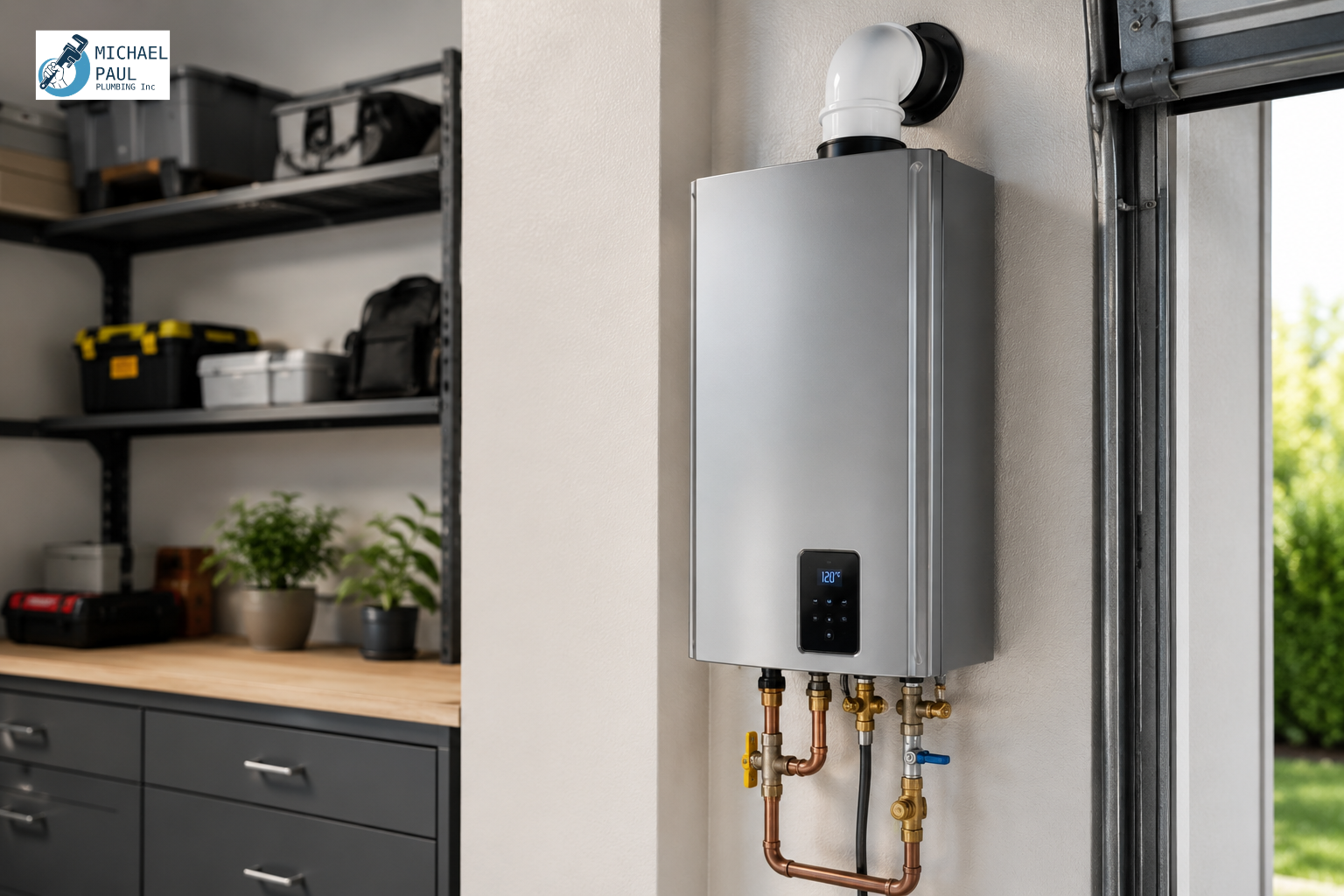
If the issue involves other systems (like a water heater or main drainage), pros can coordinate additional services. For specialized needs like water heater leaks or major drain repair, many teams offer complementary services such as water heater services to tackle related risks.
Picking the right contractor
Choose a licensed, insured plumbing contractor with good local references and clear pricing. Ask about the tools they use, guarantees on work, and if they coordinate with mold remediators or structural contractors if needed. Licensing ensures they know local codes and can do work that passes inspections.
Check references or reviews, and make sure the contractor has insurance and coverage for workers. A professional who explains options and gives a detailed written estimate reduces the risk of surprises during repair.
For businesses or complex properties, look for contractors with commercial expertise. Michael Paul Plumbing also offers services tailored for larger facilities and commercial settings to ensure minimal downtime and code compliance.
Preventive Maintenance and Smart Practices
Routine inspection checklist for homeowners
A quarterly bathroom check can catch early signs of trouble: check for smells, visible stains, soft floors, and loose trim; test shut-off valves; look under sinks for dampness; and check recent water bills for unexpected changes. Document your findings and set up a professional inspection if anything seems off.
Homeowners should also keep grout and caulking in good shape and replace worn seals. Proper ventilation with exhaust fans reduces humidity and slows mold growth. Simple maintenance can extend the life of fixtures and plumbing systems.
If you’re planning a bathroom remodel or addition, include plumbing inspections in the planning to spot vulnerabilities before new finishes go in. For remodel planning and retrofits, learn more about our remodeling plumbing services.
Industry tips and scheduled checks
Plumbing pros recommend regular inspections, especially for older homes or busy properties. A yearly check-up can spot corrosion or pressure issues before they turn into leaks. In areas with extreme weather, consider a bi-annual check to prepare for winter and rainy seasons.
Technicians can use non-invasive diagnostics in regular visits to detect leaks and offer actionable maintenance plans. This approach reduces surprise repairs and can be cheaper than reacting to problems.
For commercial properties and multi-unit buildings, preventive maintenance is key to lowering liability and protecting tenants. Michael Paul Plumbing provides ongoing maintenance programs to help building owners manage risk and extend plumbing lifespan.
Smart-home and backup solutions
Smart leak detectors, automatic shut-off valves, and sump pump battery backups are now more affordable and can cut down on water damage risk. Leak detectors under tubs, vanities, and water heaters can send alerts to your phone when they detect moisture and automatically shut off water in advanced systems.
For basement or subfloor risks, consider a sump pump with a battery backup system to keep it running during power outages. These tools minimize damage and give peace of mind when you’re not home.
Smart systems also offer data that helps pros prioritize maintenance and detect patterns before failures, making them a valuable part of modern preventive plans.
Case Studies and Real-World Examples
Residential case study: hidden leak behind a shower wall
A homeowner in Arlington Heights noticed a musty smell and a small stain on the ceiling below their bathroom. A professional inspection using thermal imaging and moisture meters found a cold spot behind the shower wall. Opening up the area revealed a leaking shower valve that had been dripping for months, causing mold growth.
Thanks to the non-invasive diagnostics, the repair was limited to the affected area, saving on restoration costs. After fixing the valve, drying the structure, and removing mold, the homeowner began doing quarterly checks to prevent it from happening again.
This example shows how quick detection and targeted diagnostics can prevent larger-scale damage and lower repair costs. Local weather and older pipes were considered, highlighting the importance of regional awareness.
Commercial example: early detection in a retail restroom
A retail facility manager noticed a spike in water bills and a faint smell in a second-floor restroom. A commercial plumbing service used acoustic detection and a drain camera to find a failing drain connection behind a tiled wall. Quick action prevented damage to the retail space below and kept the restroom open during peak hours.
Commercial facilities benefit from regular inspections and proactive monitoring because downtime and customer disruption can be costly. This case shows the return on investment of preventive maintenance and the value of contractors experienced in commercial settings, like those offering commercial plumbing services tailored to business needs.
Business owners should include routine plumbing inspections in their budgets to avoid unexpected closures and costly repairs.
Lessons learned and recommended actions
Across residential and commercial cases, the lessons are clear: trust early signs, document symptoms, and use non-invasive diagnostics to avoid unnecessary damage. Use professional expertise for accurate repairs and prevent problems from coming back.
Investing in detectors, routine checks, and prompt repairs usually pays off by avoiding major costs and protecting occupants. Combining homeowner awareness with professional services offers the best protection.
For large properties or complex systems, consult teams that offer both diagnostic and remediation services for coordinated repairs and compliance with codes and health standards.
FAQ: Troubleshooting, Costs, and Next Steps
How much does a leak detection visit cost?
Costs vary by region and complexity. A basic diagnostic visit with tools like thermal imaging and moisture meters might be affordable, while full camera inspections or invasive work will cost more. Many pros offer estimates after initial diagnostics and can compare options like targeted repairs versus full wall removal.
Ask for a written estimate and inquire about guarantees. Some contractors apply the initial diagnostic fee toward the repair if you go with their service. Compare quotes and check references to ensure you choose a local expert.
If the leak led to mold or structural damage, remediation and reconstruction will add to the cost; early detection cuts these extra costs.
Can I use general contractors for this work or do I need a plumber?
For finding and fixing hidden leaks, a licensed plumber is the best choice because they have the right diagnostic tools and training. Once the plumbing is fixed, a general contractor can handle cosmetic repairs. Coordinated work between plumbers and builders ensures installations are watertight and code-compliant.
For projects involving structural repairs or mold remediation, hire pros who work across disciplines to prevent gaps and ensure safe, lasting results.
Michael Paul Plumbing partners with local contractors and remediation specialists for integrated solutions when plumbing problems need multi-trade responses.
What if insurance covers the damage?
Homeowner insurance might cover sudden and accidental water damage but often excludes long-term neglect. Document the discovery, keep inspection and repair records, and contact your insurer quickly. A professional plumber’s assessment and report can support claims by showing the nature and timeline of the damage.
Check your policy and talk to your agent to understand limits, deductibles, and if mold or structural repairs are covered. If you’re unsure about coverage, get multiple opinions and keep receipts and reports for claims.
Early detection improves coverage outcomes: insurers are more likely to approve claims when you act quickly to minimize damage.
Conclusion and Next Steps
Key takeaways
Hidden leaks in your bathtub and shower can be a big problem but are preventable. Look for early signs like musty odors, discoloration, soft floors, and unexpected water bill increases. Use non-invasive diagnostics like thermal imaging and moisture meters to find issues without demolition. If you’re unsure or see signs of major damage, call a licensed plumber to reduce costs and health risks.
Routine inspections, smart detectors, and timely repairs are the best defense against plumbing problems. Combining homeowner vigilance with professional diagnostics protects your property value and air quality while reducing costs in the long run.
If you’re ready to take the next step, schedule a professional inspection to spot hidden issues before they grow. Michael Paul Plumbing offers skilled technicians who use the latest tools and provide clear estimates to help you plan repairs with little disruption. Learn about our industrial plumbing services and commercial capabilities, or contact us for residential solutions.
Action checklist: what to do now
- Check your meter: turn off all water and watch for movement.
- Inspect ceilings, walls, and floors for discoloration or soft spots and document with photos.
- Improve ventilation and use towels or a dehumidifier to limit moisture while waiting for service.
- Contact a licensed plumber for a non-invasive inspection and written estimate.
- Consider installing smart leak detectors and a sump pump battery backup system to reduce future risks.
Contact Michael Paul Plumbing
For fast, professional leak detection and repair in Arlington Heights and nearby areas, contact Michael Paul Plumbing. Our team offers thorough diagnostics, explains repair options, and coordinates remediation if needed. Call us at +1 847 710 9333 or email info@localtrustedplumber.com to schedule service or request an estimate. You can also learn more about our full range of services including sewer rodding and repair for drain issues.
Protect your home by catching small signs before they turn into big problems. Book an inspection today to understand hidden risks and make cost-effective repair decisions with confidence.
Additional Resources
For more on water conservation and fixing household leaks, visit the EPA's guide to leak detection and repair (EPA: Fix a Leak). For health concerns about mold and indoor air quality, check the CDC (CDC: Mold). For a technical overview of thermal imaging diagnostics, see the Thermography reference.
If you’re planning a remodel or need preventive plumbing work before construction, our additions plumbing services can help coordinate plumbing work with your contractor to avoid surprises during renovation.