How to Keep Your Home's Drains Running Smoothly
Dealing with clogged drains is a hassle most homeowners know too well, but the good news is that many of these blockages can be avoided. With the right habits and a little know-how, you can keep the water flowing freely in your kitchen, bathroom, and laundry room. If you're in the area and need some help with upkeep, check out our residential plumbing services for regular check-ups and lasting drain solutions.
Did you know that about 80% of plumbing problems are related to clogged drains? That’s according to the National Association of Home Builders, and it highlights just how much these everyday issues can affect your home. Staying ahead of these problems is key. Learning about things like drain strainers, routine maintenance, and smart plumbing solutions can make a big difference. There are even newer systems that use sensors to alert you of issues before they escalate, a trend you can explore more in this general plumbing reference.
Why Drains Get Clogged
Kitchen Clogs Happen Over Time
Kitchen drains often clog gradually. Food scraps, soap, starches, and especially grease can build up in pipes, narrowing them. Even if your sink is still draining, this buildup can catch more debris until it’s completely blocked. That’s why it’s easier to prevent kitchen sink clogs than to deal with them once they’ve started.
Bathroom Drains and Product Buildup
Bathroom drains face different challenges. Hair, toothpaste, shampoo, conditioner, and soap scum can clump together and stick to pipe walls. Over time, this buildup can slow drainage and cause bad smells. Using a strainer and cleaning it regularly can greatly reduce debris, and if clogs keep happening, a professional inspection might be necessary. For persistent issues, consider sewer rodding and repair.
Old Plumbing Can Worsen Clogs
Sometimes, the problem isn't just about what went down the drain. Older pipes, low spots in drain lines, poor slope, or mineral deposits from hard water can make a system more prone to blockages. Local expertise is important here: what seems like a simple sink clog might be a sign of larger pipe issues. If you think aging pipes are causing frequent backups, check out our guide on signs your pipes might need replacement.
Easy Habits to Prevent Clogs
Use Strainers in Sinks and Showers
One of the simplest ways to prevent drain clogs is to use strainers. These inexpensive tools catch hair, food particles, and other debris before they enter the plumbing. In kitchens, strainers stop leftover rice, vegetable bits, and pasta from going down the drain. In bathrooms, they catch hair before it can form a tangled mess that slows drainage.
Avoid Pouring Grease Down the Drain
Grease is a big enemy of plumbing systems. When hot grease cools in the pipes, it solidifies and traps other debris. Instead, let the cooking grease cool in a container and throw it in the trash. This advice is echoed by plumbing pros across the board, including industry drain maintenance resources, which consistently point out that grease buildup is a major cause of recurring clogs.
Run Hot Water Regularly
If your drains are slow but not fully blocked, flushing them with hot water can help dissolve light residue and prevent buildup from hardening. This works well as a routine step after using the sink, especially in kitchens. It’s not a fix for serious clogs, but it can help reduce buildup before it becomes a bigger problem. Pairing hot water flushes with regular cleaning supports daily drain care.
Eco-Friendly Drain Maintenance
Try Baking Soda and Vinegar
Many homeowners prefer eco-friendly drain maintenance because it avoids harsh chemicals. A common method is to pour baking soda down the drain, followed by vinegar, and then flush with hot water. This can help break down light buildup and freshen the drain, especially when used regularly. For more on sustainability, see our article on sustainable plumbing practices.
Avoid Chemical Cleaners
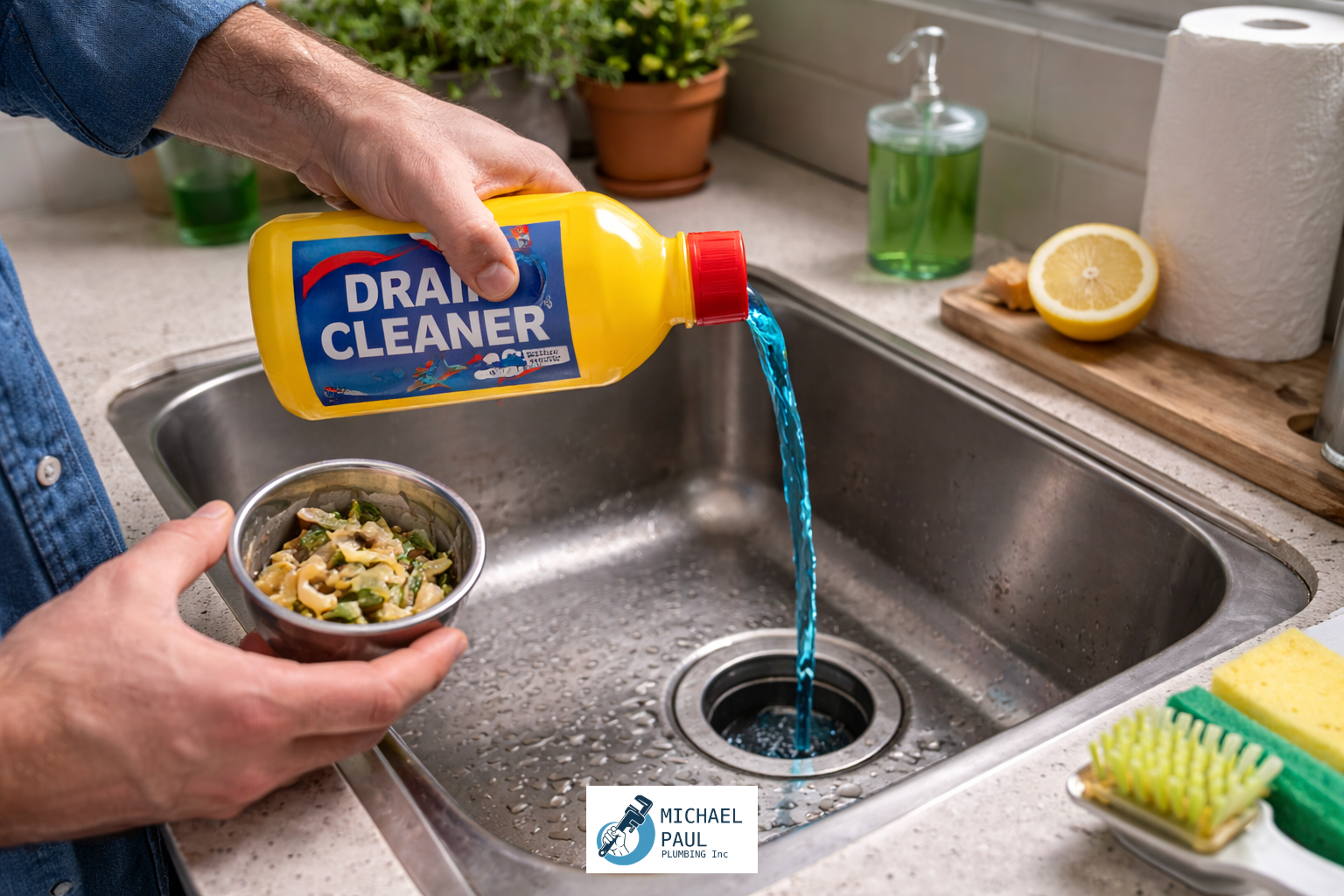
Chemical drain cleaners may seem convenient, but they can damage pipes over time and pose safety risks if they splash or react with other substances. They're especially risky in homes with older plumbing. If a drain is consistently slow, it’s better to find the root cause rather than using strong chemicals. A professional can inspect the drain and recommend the safest next steps.
Prevention Over Reaction
Eco-friendly maintenance works best as part of your routine, not just after a clog appears. Regular cleaning, emptying strainers, and mindful disposal habits can keep drain interiors cleaner for longer. These small actions are often more cost-effective than reactive fixes that only address the symptoms.
Modern Plumbing Solutions
Sensor-Based Drain Monitoring
One of the latest trends in plumbing technology is smart drain systems with sensors that can detect unusual water flow or early blockages. These systems alert homeowners before a small buildup becomes a big problem. While not every home needs advanced monitoring, the technology reflects a shift toward prevention and early intervention. Plumbing is joining the connected-home conversation more than ever.
Leak and Flow Awareness
Smart plumbing solutions help homeowners notice drainage changes that might otherwise go unnoticed. Slow sinks, irregular flow, and repeated partial clogs can signal something's going on in the system. If you're planning a big home improvement, coordinate plumbing upgrades with ongoing maintenance through services like remodeling plumbing services to ensure new fixtures and drain lines are designed for long-term performance.
Prevention Saves Money
Modern plumbing technology is valuable because catching problems early is cheaper than fixing damage later. A clogged drain can lead to backflow, odors, fixture wear, and even water damage if ignored. Smart systems and routine inspections add another layer of protection. Homeowners who invest in prevention often spend less over time by avoiding repeated service calls and emergency repairs.
Dealing with a Slow Drain
Check for Visible Debris
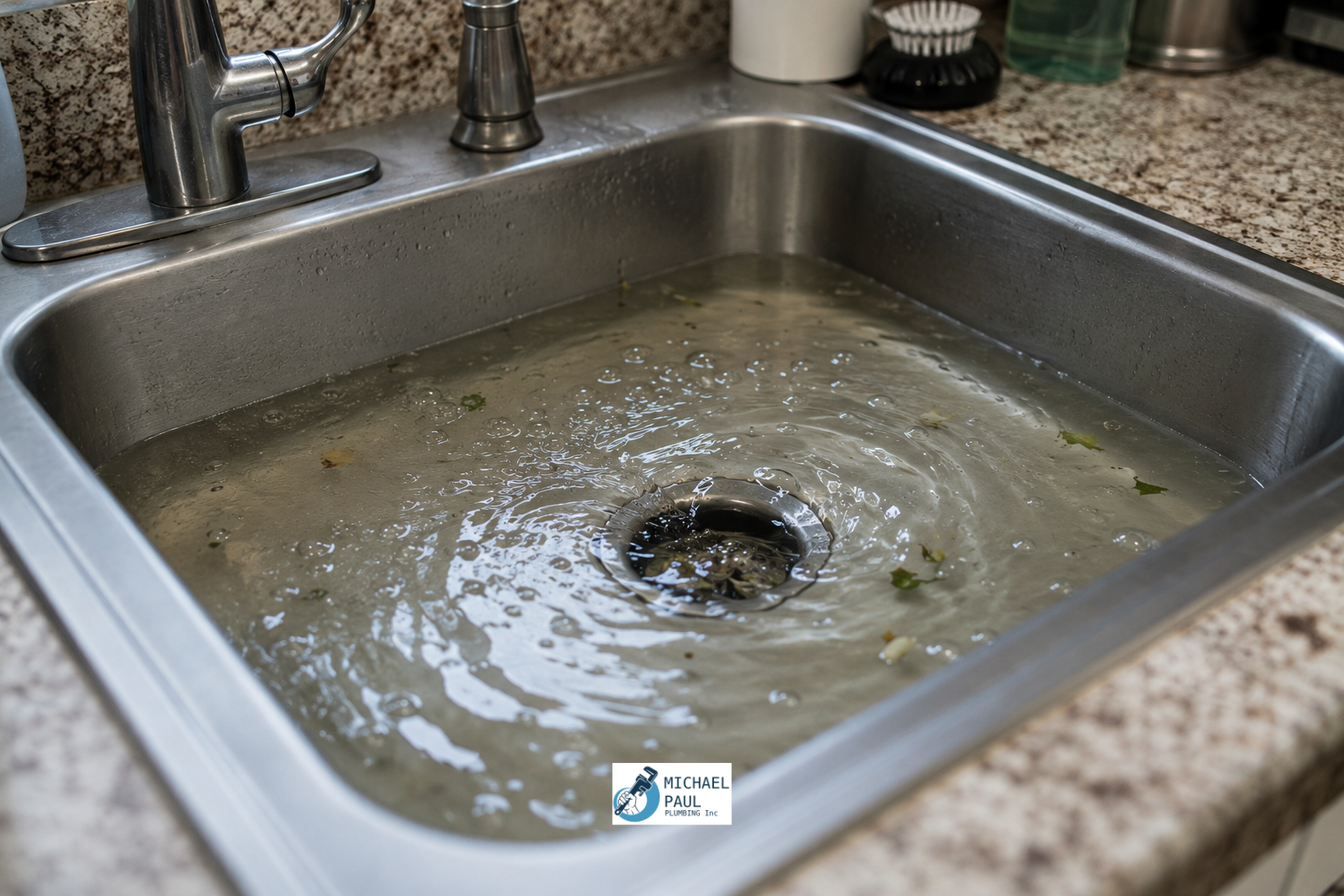
A slow drain is often a warning sign. Before using any product, remove visible debris from the drain opening and clean the strainer. If water is still moving but slowly, the blockage might be close to the surface and manageable with simple maintenance. Addressing the issue early can prevent a complete backup and reduce the chance of pipe strain.
Try Safe, Simple Methods First
When water drains slowly, a hot water flush or a baking soda and vinegar treatment might help with minor buildup. These methods are better for prevention and light residue than for major obstructions. If the drain remains slow, the problem could be deeper in the line. That’s when it’s smart to call a plumber instead of risking pipe damage with stronger chemicals or makeshift tools.
Know When It's Beyond DIY
Some slow drains are due to localized clogs, while others suggest broader drainage issues. If several fixtures are draining poorly at once, it might be a main line issue. In that case, professional help is the safest option. A plumber can determine whether you need targeted drain cleaning or broader support like commercial plumbing services for heavy drain use.
Real-Life Prevention Success
Small Changes Made a Big Difference
A homeowner in Arlington Heights had recurring kitchen sink clogs despite regular rinsing. With a plumber's help, they installed a better drain strainer and started disposing of grease in the trash instead of the sink. They also began flushing the drain with hot water after greasy cooking. These simple changes reduced clogs significantly, saving them from repeated service calls.
Lessons from the Case Study
This example shows most drain clogs aren't mysterious. They're usually due to habits that can be adjusted. The homeowner didn’t need major reconstruction, just better practices and the right tools. Plumbing pros emphasize prevention because small fixes often lead to big improvements.
Local Expertise Is Key
Homes in Arlington Heights may face different plumbing conditions, including water quality and older infrastructure. A local professional can spot patterns that generic advice might miss. For neighborhood-specific guidance and service, our Downtown Arlington Heights service area is an example of how local support helps homeowners protect their plumbing better.
Seasonal Drain Care Tips
Holiday Kitchen Traffic
Kitchen drains get extra use during holidays and family gatherings. More cooking means more grease, food residue, and dishwashing. During these times, it's important to keep strainers in place and remind everyone not to rinse scraps into the sink. If you prepare large meals often, assign someone to clean the strainer and watch the sink after heavy use.
Protect Bathroom Drains During Guest Visits
Bathrooms also see more use when guests visit, meaning more hair, soap, and tissue can enter the plumbing. A quick clean-up before and after guests' stay can reduce slow drains. It’s also a good time to check that each sink and shower has an effective strainer. A few minutes of attention before busy times can prevent headaches later.
Plan for Weather-Related Plumbing Stress
While drain clogs are usually due to everyday use, seasonal factors can affect plumbing performance. Heavy rain, freezing temperatures, and shifting ground can influence drainage and underground lines. For more on how seasons affect home systems, check out our article on seasonal plumbing problems. Staying aware of the calendar helps you stay ahead of avoidable issues.
When to Call a Plumber
Recurring Clogs Are a Warning
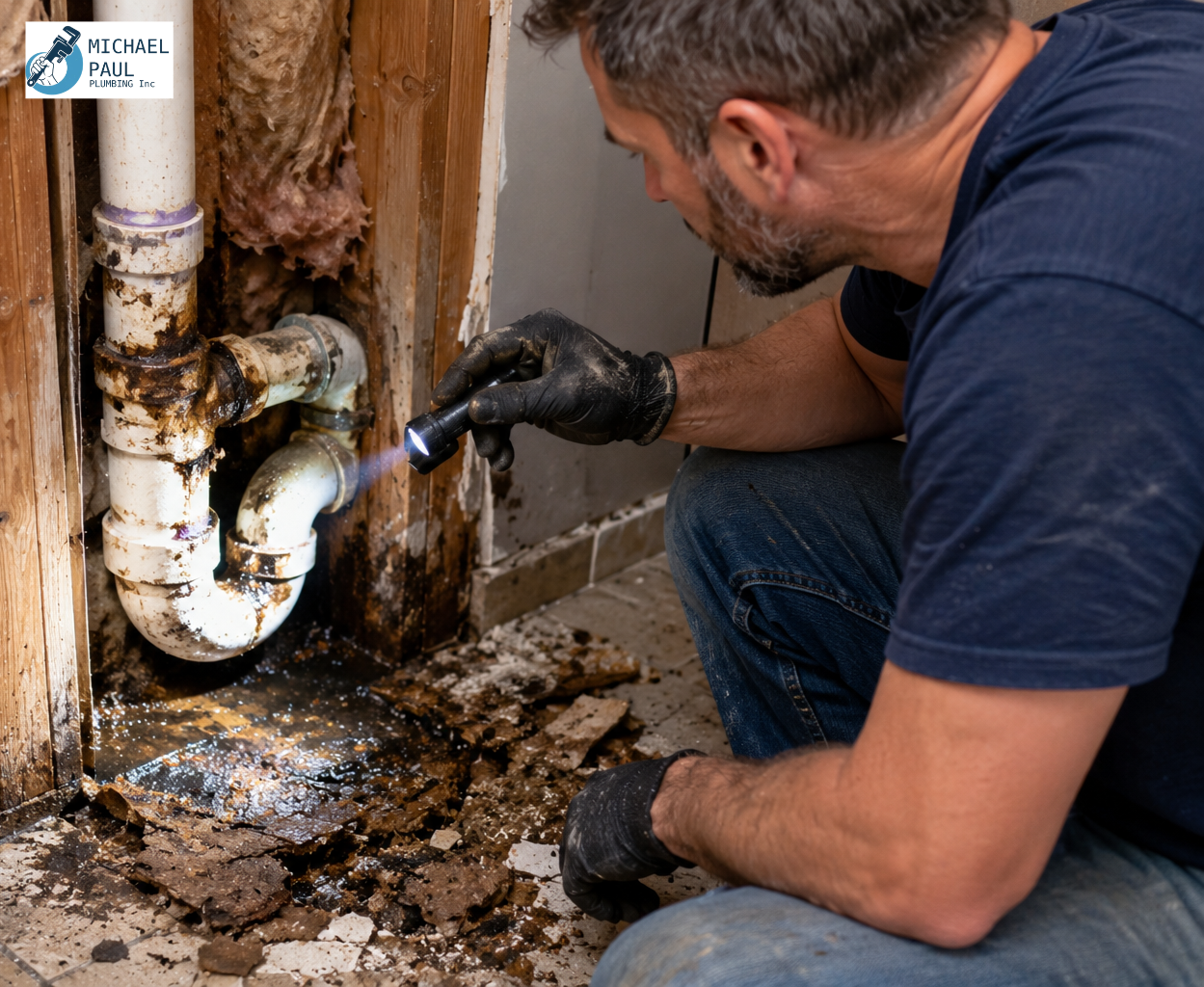
If the same drain keeps clogging, there might be an underlying issue that simple cleaning can’t solve. Repeated blockages can indicate pipe buildup, poor venting, or structural issues. A plumber can inspect the system and provide a more accurate diagnosis. This is crucial if you’ve already tried safe maintenance methods and the problem persists.
Multiple Slow Drains Need Attention
When more than one fixture is affected, the issue is often beyond a single sink or shower. This pattern can point to a shared line or main drain blockage, which should be handled quickly to prevent a backup. If a toilet, tub, and sink all start moving slowly at the same time, don’t wait for a full stoppage. Professional inspection can prevent water damage and restore flow.
Professional Help Is the Best Fix
Working with a licensed plumber gives you more than a quick fix. It helps you understand why the clog happened and how to prevent it. A trained technician can recommend the right maintenance schedule, identify outdated fixtures, and suggest upgrades. For reliable service, consider our garbage disposal services if your kitchen system needs better support for food waste.
FAQs About Preventing Clogged Drains
What Should I Do If My Drain Is Slow but Not Fully Clogged?
Start by checking for visible debris and cleaning the drain cover. Then flush with hot water to see if the flow improves. You can also try a baking soda and vinegar treatment. If it’s still slow, have it professionally evaluated.
Are Natural Remedies Enough to Prevent Clogs?
Natural remedies are great for routine care and mild symptoms, but they’re not a substitute for good habits. They work best with strainers, careful grease disposal, and regular cleaning. If your drains clog often, the issue might be more mechanical than chemical, so a professional check is better.
How Often Should Drains Be Cleaned?
There’s no one-size-fits-all schedule, but most homeowners benefit from weekly visual checks and regular cleanings. Kitchens may need more attention than bathrooms, especially if heavily used. Consistent maintenance prevents bigger problems. If you’re planning plumbing improvements, our addition plumbing services can help design systems easier to maintain.
Final Thoughts on Maintaining Healthy Plumbing
Prevention Beats Repair
Keeping drains clear is about practical habits: use strainers, avoid putting grease in the sink, flush with hot water, and clean up before buildup gets serious. These habits are easy to overlook but have a big impact on your plumbing’s reliability. Combine them with eco-friendly maintenance and smart plumbing options for strong clog prevention.
Consistency Protects Your Home
The best drain care routines are the ones you can repeat year-round. Check drains regularly, respond to slow drainage early, and call a professional if problems persist. Proactive homeowners usually avoid costly repairs and enjoy a cleaner plumbing system. Ready to take the next step? Contact Michael Paul Plumbing for expert help and maintenance to keep your home running smoothly.
Need help stopping clogged drains? Reach out to Michael Paul Plumbing at +1 847 710 9333 or visit localtrustedplumber.com to schedule service and keep your plumbing in top shape.