What to Do If a Pipe Bursts in Your Home
A burst pipe can quickly turn a normal day into a stressful mess. Water spreads fast, damaging floors and walls, and even causing electrical risks, before you really know what's happening. But don't worry, having a clear plan can help limit the damage, protect your family, and speed up repairs. If you need help beyond the first steps, professional residential plumbing services can make all the difference.
This guide walks you through what to do when a pipe bursts, how to prevent future issues, and when to call a plumber. It also covers insurance documentation, frozen pipe prevention, and practical tips backed by resources like the Ready.gov home flood preparedness and EPA WaterSense program. For more on handling plumbing emergencies, check out our emergency guide.
Why Burst Pipes Happen and Why Fast Action Matters
Common causes of burst pipes
Burst pipes often result from freezing temperatures, corrosion, old materials, too much water pressure, or accidental damage. In winter, water in pipes can freeze, expand, and rupture the line. This risk is higher if you have exposed plumbing, older materials, or poorly insulated areas like basements, attics, garages, and crawl spaces.
Watch for warning signs before a full rupture: banging sounds, low water pressure, damp walls, or a sudden spike in your water bill. If you see these signs, it might be time to check out our article on when pipes need replacement.
How quickly can damage spread
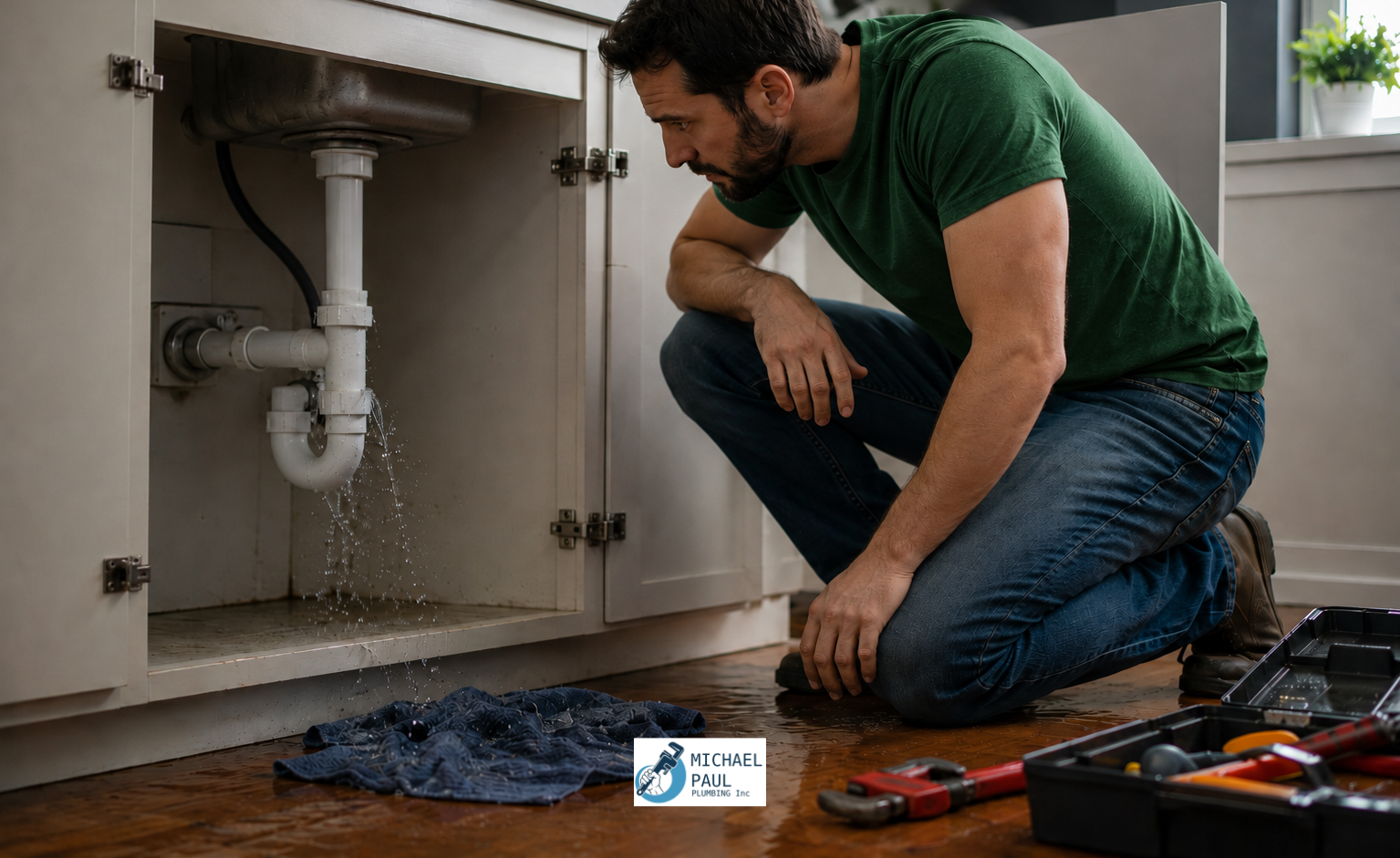
Water damage spreads fast. Even a small pipe opening can release a lot of water quickly, soaking drywall, insulation, and electrical fixtures. The longer water sits, the more likely you'll face mold, warped wood, and costly structural damage.
That's why quick action is crucial. According to Nationwide, turning off the water supply quickly is one of the best steps to minimize loss. Once the water is off, focus on safety, documentation, and getting professional help.
What to Do in the First 10 Minutes
1. Shut off the main water supply
Your priority is stopping the water flow. Find the main shutoff valve and turn it off immediately. This valve is usually in the basement, crawl space, utility room, or near where the main water line enters the house. If you're unsure where it is, find it now before an emergency happens.
After shutting off the valve, open nearby faucets to relieve pressure in the plumbing system. This helps drain remaining water from the lines and can reduce additional leakage. Allstate also recommends opening faucets after shutting off the water for safer pressure relief.
2. Turn off electricity if water is near outlets or fixtures
If water is near electrical outlets, appliances, or your breaker panel, turn off electricity to the area or the home if needed. Water and electricity are a dangerous mix, so don't walk through standing water if there's a chance of current. If you can't reach the breaker safely, wait for an electrician or emergency responder.
According to WaterSafe, safety is the top priority, especially when water may contact electrical systems. If you smell burning or hear buzzing, leave the area and call for help right away.
3. Document the damage carefully
Before starting cleanup, take photos and videos of the affected rooms, damaged belongings, water lines, and visible pipe failure. Good documentation can help with insurance claims and assist your plumber in understanding the problem's scope. Capture wide shots and close-ups of wet materials, drips, stains, and cracked or broken pipes.
Keep a short written record of what happened, when you noticed it, and what you did first. This simple log can be valuable if your insurer asks for a timeline later. Insurance guidance from The Hanover recommends thorough documentation to support a smoother claim process.
Calling a Plumber and Protecting the Rest of the Home
Why professional repair is the safest choice
Once you've controlled the immediate danger, call a licensed plumber. A burst pipe might indicate a bigger issue, like aging plumbing or hidden frozen sections. Attempting a DIY fix without the right tools or experience can cause more damage, especially if the break is hard to reach or part of a larger system failure.
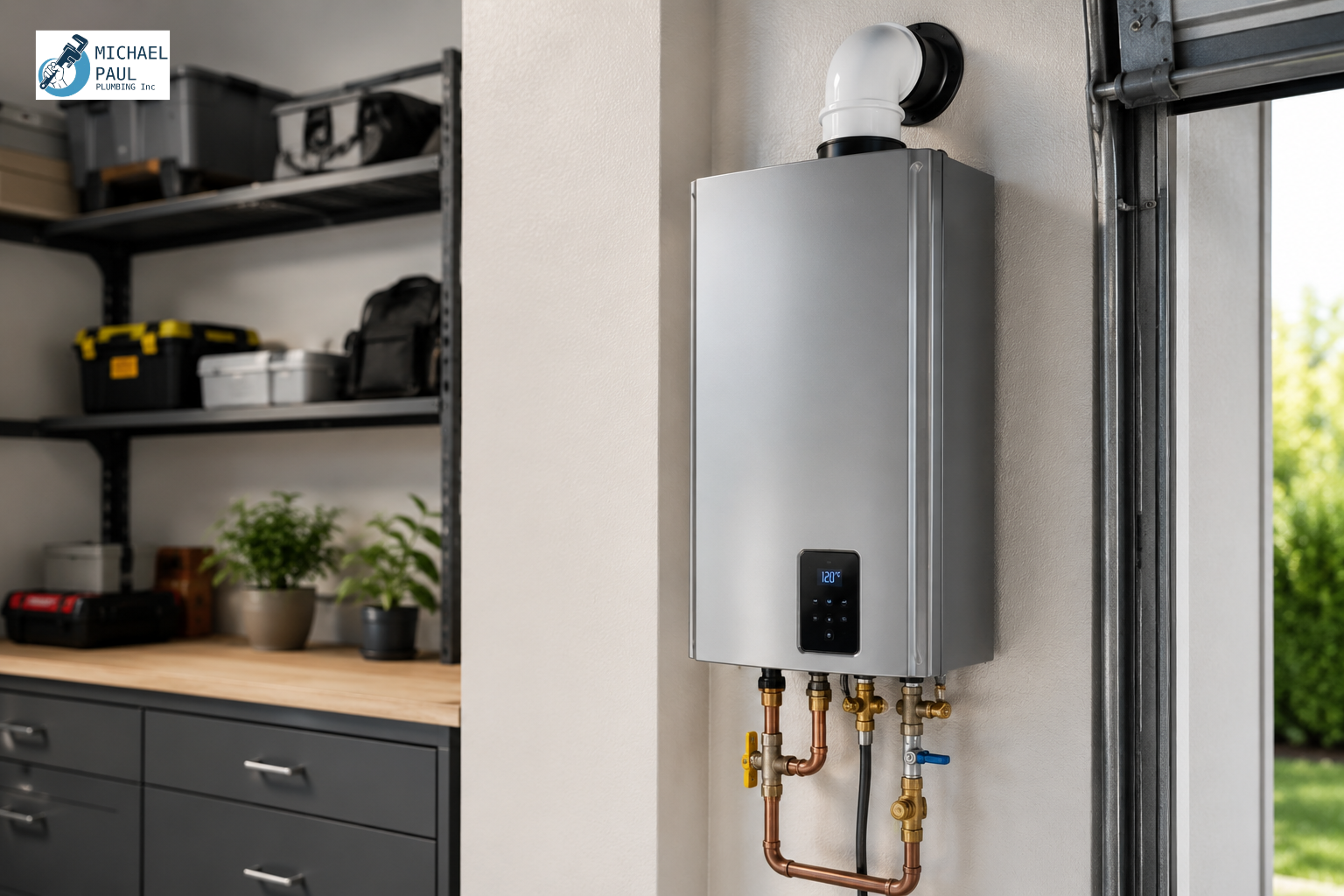
Professional help is crucial if the burst pipe connects to a gas line, water heater, or other safety-related system. If your plumbing issue overlaps with an appliance concern, a service like water heater services can help identify if more repairs are needed beyond the pipe itself. For gas-related issues, the gas pipe services team should step in immediately.
How plumbers assess the damage
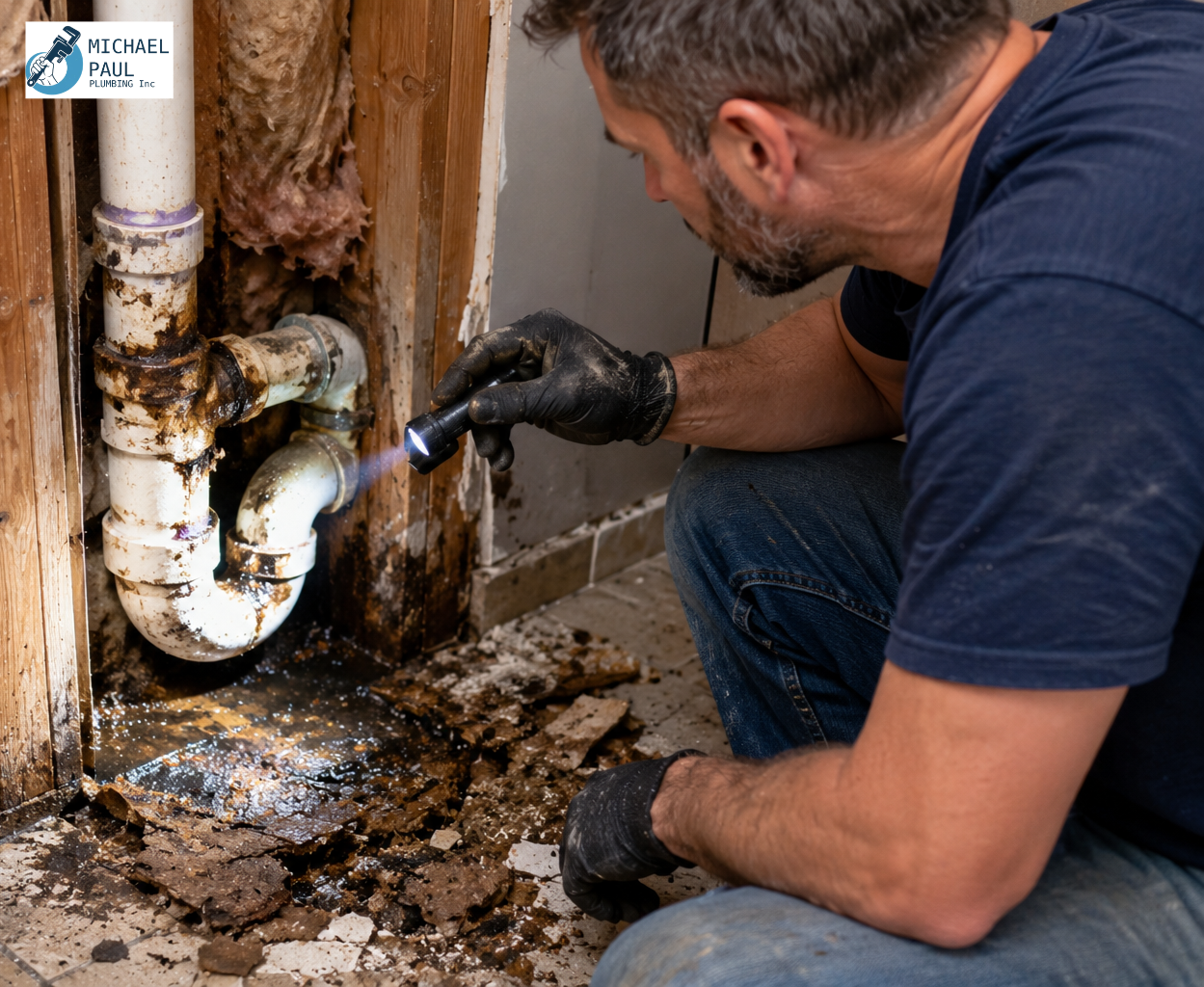
A licensed plumber will identify the break location, check for nearby leaks, and figure out whether freezing, corrosion, pressure, or impact caused the burst. They might inspect surrounding joints and fittings to ensure the problem isn't part of a larger plumbing failure.
In homes with repeated leaks or older systems, a plumber may suggest reviewing the entire water line layout and material condition. If you're concerned about system performance, our article on pipe materials and performance explains how different plumbing materials age and handle cold weather.
How to Handle Water Damage Cleanup the Right Way
Remove standing water quickly.
Once the pipe is shut off and the area is safe, start removing standing water right away. Use mops, towels, wet vacuums, or water extraction equipment if you have it. The goal is to reduce how long moisture sits in the home, as prolonged exposure can lead to swelling, mold, and hidden damage.
Open windows if the weather permits, and run fans or dehumidifiers to speed up drying. If water has soaked into insulation, drywall, or subflooring, those materials might need replacement. For larger events, a restoration specialist may be necessary, especially if water has spread across multiple rooms.
Protect your belongings and reduce secondary damage
Move furniture, rugs, electronics, and personal items out of the affected area if possible. Place aluminum foil or wood blocks under furniture legs to keep items off wet flooring. If books, documents, or photos are soaked, separate them carefully and dry them in a ventilated area to prevent sticking and mold.
Don't assume a dry surface means everything is fully dry. Moisture can remain trapped inside walls, cabinets, and flooring long after visible water is gone. This is why professional moisture inspection is useful after a burst pipe, especially in homes with finished basements or concealed plumbing.
Preventing Burst Pipes Before Winter Hits
Insulate exposed pipes and vulnerable areas.
Prevention is always cheaper than repair, and pipe insulation is one of the easiest ways to reduce freeze risk. Focus on pipes in unheated spaces, exterior walls, crawl spaces, garages, and attics. Foam pipe sleeves, heat tape approved for plumbing use, and proper sealing around drafts can all help protect your system during cold snaps.
If you're updating older plumbing systems, insulation might be part of a broader home maintenance plan. If you're planning upgrades or remodeling, our remodeling plumbing services can ensure new layouts include winter protection and service access. Also, homes with additions should have plumbing designed carefully, where additional plumbing services can make a difference.
Keep indoor temperatures steady.
Keeping a steady indoor temperature, even when you're away, is one of the best cold-weather habits. Many experts recommend keeping the thermostat at or above 50°F in winter to reduce frozen pipe risk. Sudden temperature drops can catch vulnerable lines off guard, especially overnight or during power outages.
When extreme cold is forecast, allow faucets connected to exterior walls or unheated areas to drip slowly. Keeping water moving can reduce pressure and help prevent freezing in exposed sections. This practice is commonly recommended by homeowners and sources like Homes & Gardens during prolonged cold spells.
Disconnect hoses and winterize outdoor plumbing
Before the first hard freeze, disconnect garden hoses from outdoor spigots and drain any remaining water from exterior lines if possible. A hose left attached can trap water and increase the chance of indoor plumbing damage. This small seasonal habit can prevent some of the most avoidable winter plumbing emergencies.
Homes with sump systems or damp basements may need extra prep. If you want added protection against flooding during snowmelt or storms, consider sump pump installation and repair along with battery backup systems. These services don't prevent burst pipes directly, but can reduce water damage risk during severe winter weather.
Insurance, Costs, and Common Questions Homeowners Ask
Will homeowners' insurance cover a burst pipe?
Coverage depends on your policy and the damage caused. Often, sudden and accidental water damage is covered, but gradual leaks, poor maintenance, or neglect might not be. That's why documentation is vital, and you should review your policy once the emergency is under control.
Insurance can be tricky, especially if the burst pipe caused hidden mold, flooring damage, or repairs to adjacent rooms. Keep photos, receipts, plumber invoices, and any mitigation costs. Guidance from Ready.gov can help you understand the importance of quick action and recordkeeping during water-related emergencies.
How much can a burst pipe cost?
The cost varies widely based on where the break is, how long water flowed, and how much material needs replacement. Water damage and freezing are common homeowner insurance claims, with some industry sources noting average losses around $11,650 per claim. Even smaller incidents can be expensive once you add plumbing repair, drying equipment, drywall replacement, painting, and possible mold remediation.
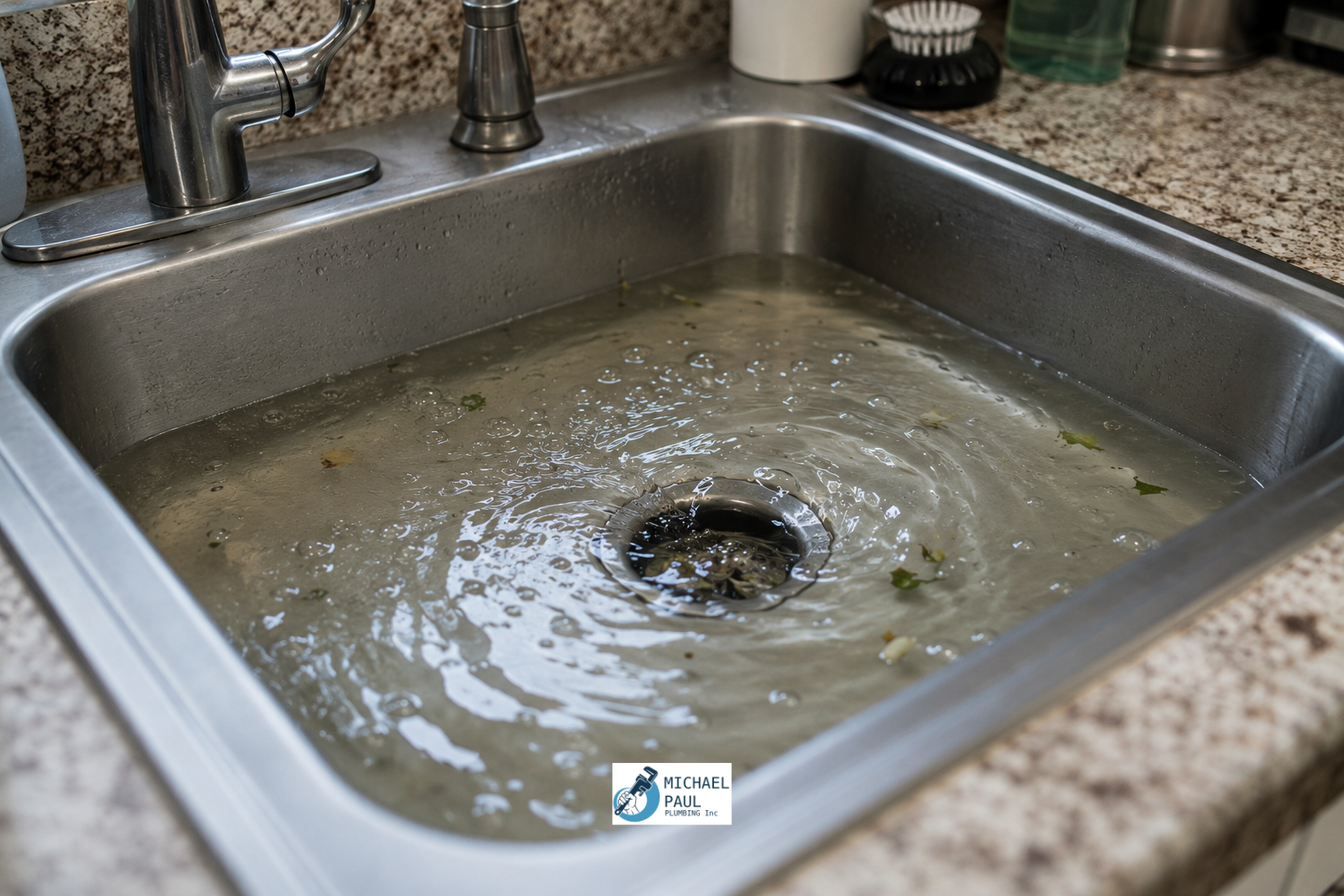
The best way to keep costs manageable is to respond quickly and avoid temporary fixes that don't solve the root problem. For instance, a pipe that bursts due to frozen or damaged sections may need more than a patch. If the issue is linked to drain problems, sewer rodding and repair might be part of the solution.
Can I thaw frozen pipes myself?
Sometimes you can thaw a frozen pipe carefully, but it's easy to make mistakes that cause more damage or safety risks. Never use an open flame, torch, or high-heat device on plumbing lines. If a pipe is hidden or you can't find the frozen section, it's safer to call a professional.
Some frozen pipes rupture only after thawing begins, as the pressure behind the ice has already weakened the pipe. Tom's Guide emphasizes what not to do during thawing efforts. If you're uncertain, a plumber can assess the damage and thaw the line safely.
Real-World Lessons from Severe Winter Events
What storms teach homeowners about prevention
Severe winter weather shows how quickly a vulnerable plumbing system can fail. During major cold events like Winter Storm Fern, many homeowners experienced burst pipes after prolonged freezing temperatures. Homes with insulated exposed pipes, maintained heat, or used slow-drip prevention measures generally did better than unprepared homes.
These events remind us that winterizing isn't just for vacation homes or older houses. Any home can face pipe freezes if temperatures drop fast enough or heat circulation is uneven. This is especially relevant for homeowners in cold climates with older housing, where plumbing systems may already be stressed.
Why local climate matters
Cold-weather prep is important in areas where temperatures drop below freezing regularly. In places like Arlington Heights, Illinois, winter conditions can create recurring risks for exposed plumbing and unheated spaces. Homeowners in colder climates should think ahead about insulation, heating consistency, and emergency access to shutoff valves before the first deep freeze.
Regular maintenance is helpful in these areas because it allows a plumber to spot risks before they become emergencies. If your home has recurring cold spots, uneven water pressure, or older piping, a seasonal inspection might be a smart move. For more neighborhood-specific support, our local Downtown Arlington Heights and North Arlington service pages can help when timing matters.
Frequently Asked Questions About Burst Pipes
How do I know if a pipe has burst or just developed a leak?
A burst pipe usually causes sudden and noticeable water release, while a smaller leak may develop slowly. Signs of a burst include immediate flooding, dramatic pressure drops, or water gushing from a visible break. If you see a wet wall, ceiling stain, or unexplained pooling, assume it's serious until a plumber confirms otherwise.
Should I stay in the house after a pipe bursts?
That depends on the damage severity and whether electrical or structural hazards are present. If the water is contained and utilities are safe, you might be able to stay while cleanup starts. If there's widespread flooding, a damaged electrical system, or unsafe temperatures, you may need to relocate temporarily.
How can I prepare now for a future emergency?
Every homeowner should know where the main shutoff valve is, keep emergency contact numbers handy, and inspect exposed pipes before winter. Schedule routine plumbing maintenance and consider whether old fixtures, worn lines, or poor insulation need attention. Our seasonal plumbing guide offers a year-round prevention checklist.
Final Thoughts: Act Fast, Stay Safe, and Call the Right Help
A burst pipe is stressful, but a calm and informed response can prevent worse damage. Shut off the water, prioritize electrical safety, document everything, and bring in a licensed plumber quickly. Then focus on cleanup, drying, and prevention to be ready for the next cold snap or plumbing surprise.
Preventive maintenance is as important as emergency response. Insulate exposed pipes, keep your home warm, disconnect outdoor hoses, and know your shutoff valve location to reduce future damage risk. If you need expert help with repairs, inspections, or winterizing your system, contact Michael Paul Plumbing for dependable support and fast service. For immediate help or to schedule an inspection, check out our residential plumbing services or call +1 847 710 9333.
Whether you're dealing with an active emergency or preparing for the next hard freeze, the best time to act is now. Protect your home, protect your budget, and make sure your plumbing is ready before winter weather puts it to the test.