More and more homeowners are rethinking their appliances to boost comfort and cut down on utility bills. That’s why tankless water heaters have gone from being a special upgrade to a common choice. Also known as demand-type or instant water heaters, these systems heat water only when you need it. This helps cut down on energy waste and makes your home more efficient. If you’re thinking about replacing your old water heater, our water heater services can help you decide if a tankless model is right for your home.
It’s not just about making life easier. According to the U.S. Department of Energy, tankless water heaters can be 24% to 34% more energy-efficient than traditional tanks for homes using 41 gallons or less of hot water daily. With their compact design and endless hot water supply, it's no wonder demand is growing. If you’re planning other upgrades, it’s smart to pair this decision with residential plumbing services to ensure everything is installed correctly. For more details, check out the DOE’s guide on tankless water heaters.
What Makes Tankless Water Heaters Stand Out?
Water Heats Only When You Need It
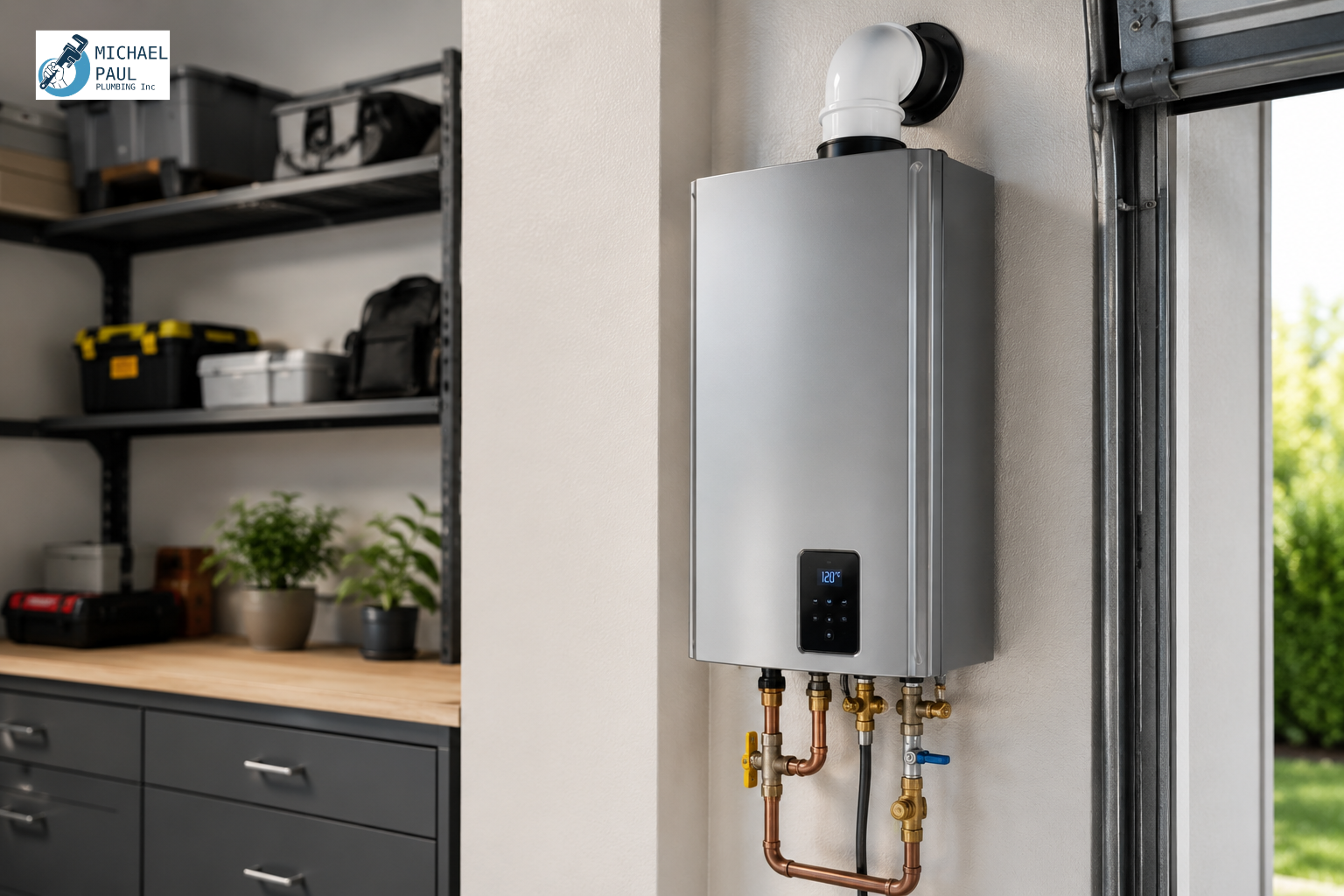
Traditional heaters keep a tank of water hot all day and night, wasting energy even when no one’s using hot water. Tankless models are different. When you turn on a hot-water tap, cold water travels through a heat exchanger and warms up instantly, giving you hot water right when you need it. This is why many see tankless as a smart long-term investment.
This is especially handy in busy homes where showers, laundry, and dishwashing might overlap. You won’t have to wait for a tank to refill and reheat. It can reduce waste and improve your day-to-day comfort. Plus, you won’t have to worry about running out of hot water during a shower or when guests visit.
They Save Space
Tankless heaters are wall-mounted and much smaller than storage tanks, saving valuable floor space. This makes them perfect for basements, utility rooms, closets, and smaller homes where every square foot counts. If you’re remodeling or expanding, a tankless unit can fit into a tighter space without losing performance.
Space-saving is especially useful during bathroom or kitchen upgrades. If your home is already undergoing changes, coordinating the installation with remodeling plumbing services can help avoid delays. If you’re adding new space, additional plumbing services ensure the system connects with existing lines smoothly.
Why Are Tankless Water Heaters Gaining Popularity?
Energy Efficiency Matters More Now
With rising energy costs, people are more careful about their major appliances. Many now look for systems that cut waste while keeping comfort, and tankless heaters fit the bill. The North American market for these heaters is expected to hit $2,206.6 million by 2033, growing at a rate of 10.5% annually from 2026 to 2033. This trend shows that people want systems that work harder with less energy and space.
This aligns with energy-saving goals from groups like ENERGY STAR. Their data suggests a family of four can save about $95 a year or $1,800 over the heater’s life on gas bills compared to standard gas storage models. These figures vary by household but help explain the growing market.
Smart Home Features Are Raising the Bar
Technology is another reason for the interest. Modern tankless units often include smart controls, Wi-Fi connectivity, remote monitoring, and even AI-based optimization. These features let homeowners track usage, spot problems early, and fine-tune performance for better efficiency. As smart-home tech grows, people expect more from their appliances than before.
Reports highlight these advancements as a key market driver. Smart integration is appealing for those looking for better energy visibility and fewer unexpected maintenance issues. It fits the trend towards connected home systems where heating, cooling, lighting, and water management all work together.
Benefits You’ll Notice First
Less Energy Waste
The biggest benefit is cutting out standby heat loss. A storage tank keeps reheating water whether you’re home or not. A tankless heater only runs when there’s a demand for hot water, which can lead to real energy savings over time. This is especially noticeable in homes with moderate hot water use.
Homeowners often notice the change slowly. Utility bills may drop, and the system feels less like an energy drain. While the exact savings depend on fuel type, household size, and habits, the principle is simple: less wasted energy usually means lower costs.
More Hot Water When You Need It
Tankless systems promise continuous hot water. It doesn’t mean limitless output in every situation, but it avoids the limited capacity of a tank. For families with back-to-back showers or laundry running at the same time, this is a big convenience.
It’s important to know flow rate limits. Many units deliver about 2 to 5 gallons of hot water per minute, which might not cover every fixture running at once. That’s why proper sizing is crucial. A trained plumber can match the system to your home’s demand so it performs well during everyday use.
Longer Lifespan and Better Value
Tankless heaters often last over 20 years, compared to 10 to 15 years for standard tanks. That longer life can offset the higher initial cost. You might pay more upfront, but benefit from fewer replacements, lower annual costs, and better long-term value.
This lifespan advantage only holds if the system is maintained correctly. Mineral buildup, filter troubles, and skipped service can cut performance life short. Regular professional care is why many rely on trusted teams for ongoing support rather than seeing installation as a one-time purchase.
Things to Think About Before Switching
Consider Installation Costs
Tankless heaters can cost more to buy and install than standard tanks. Some homes might need additional electrical, gas, venting, or water-line changes. The higher upfront cost can surprise folks who only compare appliance prices without considering installation complexity. But the long-term savings and lifespan might make it worthwhile.
For a realistic cost estimate, look at the entire project, not just the unit. If your setup needs gas line changes, our gas pipe services ensure safe, compliant work. When broader plumbing updates are needed, bundling the project with commercial plumbing services can simplify planning and scheduling.
Think About Flow Rate and Demand
Not every home has the same hot-water needs. A small household might do well with one properly sized unit, while a larger family might need a higher-capacity system or even multiple units. Showers, dishwashers, washers, and tubs all draw hot water at different rates, so the right heater depends on timing as much as volume.
The best approach is to map out peak demand. A plumber can help you estimate gallons per minute needs and compare that to available unit sizes. This step is essential if you want the convenience of tankless performance without frustrating interruptions in hot water.
Consider Power Dependence During Outages
Most tankless heaters need electricity to work, even gas models. This means a power outage can stop hot water. For homes in areas where outages are common, this is crucial planning. It doesn’t make tankless a bad option, but it does mean you should understand the trade-offs before switching.
Some address broader resilience by combining appliance upgrades with backup systems in other parts of the home. If you’re already improving home protection, it may be useful to see if battery backup systems can support your comfort strategy during outages.
Research and Industry Trends
Strong Market Growth in North America
The tankless category isn’t growing by accident. Interest in energy-efficient appliances, compact systems, and smart controls has pushed the market forward. Projections showing a multi-billion-dollar market by 2033 indicate tankless heaters will stay a key part of residential plumbing for years.
This growth reflects changing homeowner priorities. People want gear that does more with less, supports sustainability, and fits modern homes. So, tankless systems aren’t just a trend; they’re part of a bigger shift in how homeowners evaluate major upgrades.
Smart Features Are a Big Deal
Advanced models now compete on more than heat output. Remote diagnostics, usage alerts, and performance optimization features give homeowners more insight into their systems. This can help spot issues early and schedule maintenance before small problems become big repairs.
As technology improves, it may be easier to compare water heater options based on data rather than guesswork. This benefits homeowners and plumbing pros who want to recommend solutions based on real use instead of assumptions.
Real-Life Results Back Up the Trend
Homeowners in Kansas City and Arlington Heights, Illinois, have reported energy savings and endless hot water after switching to tankless systems. These stories matter because they show how the technology performs in real homes, not just in ads.
Case studies also highlight a common theme: results are best when the system is sized and installed correctly. A well-chosen heater can be a smooth upgrade, while a poorly planned one can lead to inconsistent performance. That’s why experience and local code knowledge matter.
Getting the Best Results: Installation and Maintenance
Professional Installation Matters
Tankless heaters are more sensitive to installation details than many realize. Venting, gas supply, electrical access, and water flow need checking before installation. If the unit is too small or far from fixtures, the benefits may not fully show.
Many start with a full assessment rather than a simple replacement request. If your existing system shows signs of age, water heater replacement can improve efficiency and design instead of just swapping old for new.
Regular Maintenance Keeps Things Running
Like any appliance, tankless heaters need regular care. Flushing mineral buildup, cleaning filters, and checking parts protect performance. Homes with hard water may need more frequent maintenance, since scale can build up inside and reduce efficiency.
Scheduled maintenance is usually manageable. Many find that a yearly or periodic service routine helps preserve the lifespan advantage that made tankless appealing in the first place. A consistent plan is one of the easiest ways to protect the investment.
Consider the Whole Plumbing System
Tankless heaters work best when the rest of the plumbing is healthy, too. Old pipes, poor water pressure, or hidden leaks can affect performance. If you have recurring issues in other areas, it may be smart to address them before or during the upgrade.
This is why homeowners often review broader plumbing needs alongside the heater project. Coordinating improvements can reduce labor, improve reliability, and make maintenance easier over time.
Deciding if Tankless is Right for You
Ask the Right Questions
Before going tankless, consider how much hot water your home uses, how many fixtures run at once, and whether your current gas, venting, or electrical setup can support the change. Also, think about whether the upfront cost fits your budget and if you plan to stay long enough to benefit from the savings.
These questions help you decide if tankless is a smart investment for you. While it can be great for the right home, it’s not automatically the best choice for everyone. The best option matches your needs and habits.
Compare Tankless and Traditional Options
Storage tank heaters are still practical for many. They usually cost less to install, are simpler to replace, and work well where demand is modest or intermittent. Tankless units, however, shine when efficiency, space savings, and constant hot water are priorities.
The right answer often depends on lifestyle. A household with predictable demand and interest in lower long-term costs may be perfect for tankless. High simultaneous demand might need a more customized solution or a different system.
Talk to a Plumbing Professional
Getting professional advice is key. A plumber can assess water use, review infrastructure, and recommend the right system size. This is especially valuable if the project involves multiple upgrades or supports future remodeling plans.
When you’re ready to explore your options, our team can help you compare products, evaluate needs, and decide if tankless fits your goals. If your project is part of a bigger improvement plan, it might make sense to review related options like remodeling plumbing services or adding plumbing services if you’re expanding.
FAQs About Tankless Water Heaters
Do They Really Save Money?
They can, especially over time. The mix of lower energy waste, reduced standby losses, and a longer lifespan can lead to real savings. But the amount saved depends on your home size, water use, local rates, and how well the unit is installed and maintained.
Can One Unit Handle a Whole House?
Often yes, but it depends on peak demand. A small home might do well with one unit, while a larger one might need a higher-capacity model or multiple units. The key is to size the system based on simultaneous use, not just total daily consumption.
How Long Does Installation Take?
Time varies by home and project complexity. A simple replacement may take less time than a project needing gas, venting, or electrical updates. A professional assessment gives the most accurate timeline and helps plan for any disruption.
Are They Good for Resale Value?
They can be appealing to buyers who value efficiency, modern features, and lower costs. While not the only resale factor, they often add appeal when paired with other well-planned improvements. Buyers tend to appreciate systems that look current and well-maintained.
Final Thoughts: Why More People Are Making the Switch
Homeowners are opting for tankless water heaters because the benefits fit today’s priorities: less energy waste, more space, constant hot water, and better long-term value. The tech is improving, with smarter controls and better performance making systems even more appealing. For the right home, tankless isn’t just a trend; it’s a practical upgrade that enhances everyday comfort.
If you’re exploring your options, the best step is getting a professional evaluation of your home’s plumbing, hot-water needs, and installation requirements. Whether you’re planning a replacement, a remodel, or a larger upgrade, our team can help you make a confident choice. Start by checking out our water heater services. If your project includes more plumbing work, we can support that too. For homeowners in Arlington Heights looking for trusted guidance, Michael Paul Plumbing is ready to help you find the best path forward.
To learn more, compare options, or get expert advice, contact Michael Paul Plumbing and start moving towards a more efficient, reliable hot-water system.
For more on water-heating efficiency and home energy use, review the U.S. Department of Energy’s guide on tankless water heaters and ENERGY STAR’s savings estimates. These resources can help you compare performance, costs, and needs before deciding.