Why Your Sink Is Draining Slowly (And What It Could Mean)
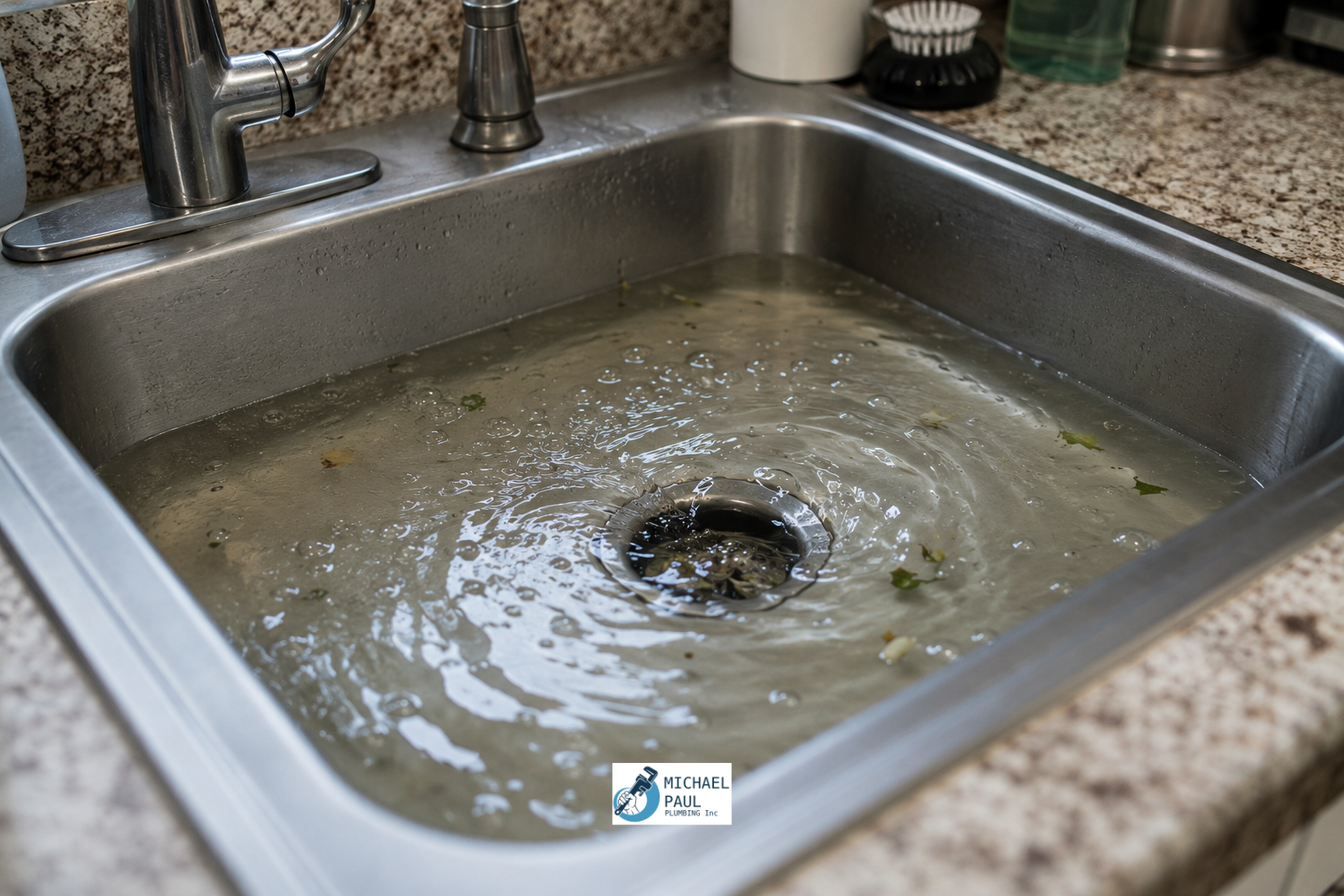
A slow-draining sink m ight seem like a minor issue at first, but it can quickly become a nuisance. You might see water gathering in the basin, notice unpleasant smells, hear gurgling noises, or find that the sink only drains when the stopper is out. While it often starts small, a slow drain can hint at bigger plumbing problems if it keeps happening.
It's important to understand what's causing the problem because different issues need different solutions. A simple blockage might be fixed with some DIY cleaning, but ongoing drainage problems could mean there's a bigger issue with the pipes, venting, or even the sewer line. If you're curious about why plumbing problems keep coming back, our guide to recurring plumbing problems explains why some issues never seem to disappear.
In this article, you'll learn about the common causes of slow drains, signs to watch out for, when to try fixing it yourself, and when it's better to call a professional. We'll also share some prevention tips, real-life examples, and plumbing red flags that homeowners shouldn't ignore.
What a Slow-Draining Sink Usually Means
It often starts with a partial clog.
The most common reason for a slow-draining sink is a partial blockage. Unlike a full clog that completely stops water, a partial clog lets water through, but not as quickly. Over time, hair, soap residue, food bits, grease, toothpaste, and other debris can stick to the inside of drainpipes, narrowing the space for water.
This buildup is especially common in kitchens and bathrooms. Kitchen sinks often deal with grease and food scraps, while bathroom sinks collect hair, shaving cream, and soap scum. According to the U.S. Environmental Protection Agency, keeping waste out of drains is one of the simplest ways to reduce plumbing issues and protect wastewater systems. Check out the EPA WaterSense program for more on household water and waste guidance.
Sometimes the issue is deeper than the drain opening
If the sink trap, branch line, or venting is affected, water might not drain properly even when the visible drain looks clean. That's why a sink that keeps slowing down after cleaning might be hinting at a bigger problem behind the wall or under the floor. Symptoms can include bubbling, strange sounds, or water backing up into other fixtures.
When the same drain issue keeps coming back, it's worth getting a complete inspection. Our residential plumbing services help homeowners find the source of persistent problems before they become costly repairs.
The Most Common Causes of Slow Sink Drainage
1. Debris buildup inside the pipes
Debris buildup is the main cause of sluggish drainage. In bathrooms, hair mixes with soap and toothpaste to form sticky clumps. In kitchens, grease cools and hardens inside pipes, while food waste can catch on rough areas and create a growing blockage. This results in a drain that seems fine one day and frustratingly slow the next.
Here's a practical example: a homeowner might rinse dishes for months without trouble, then suddenly notice water sitting in the sink after every meal. What changed is usually not one big incident, but months of gradual buildup. In many households, the warning signs start long before the sink stops completely.
2. A clogged P-trap
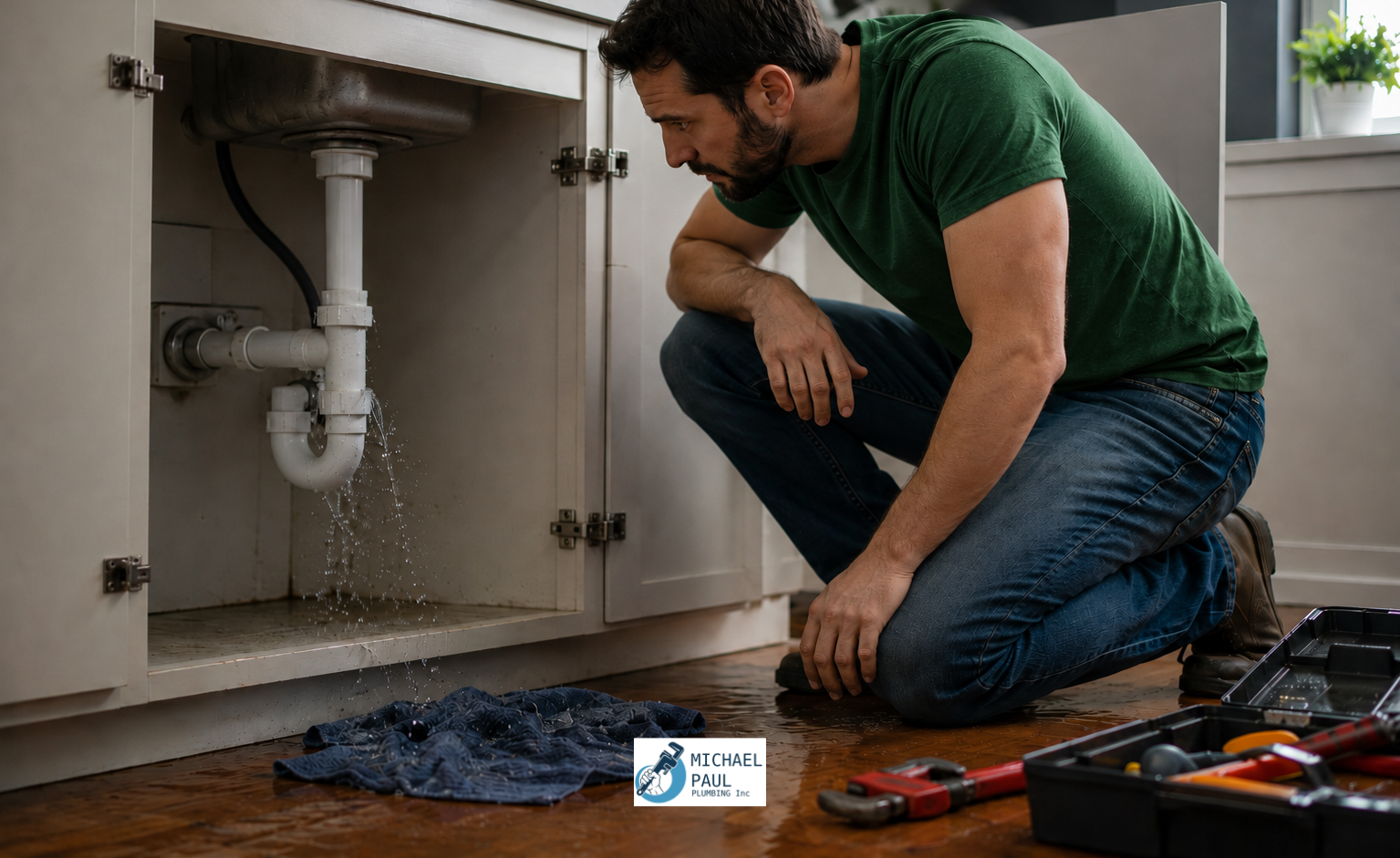
The P-trap is the curved pipe under the sink that holds water to block sewer gases from entering the home. Because of its shape, it's also a natural place for debris to collect. Small objects, food bits, and soap residue can settle in the trap and slow drainage even when the rest of the line seems fine.
If you're comfortable with basic maintenance, checking the P-trap can sometimes solve the issue. But if you're unsure, it's best to avoid forcing fittings or using too many chemical cleaners. For drains that need deeper clearing, our garbage disposal services can help when kitchen buildup is tied to food waste and disposal issues.
3. Hard water mineral buildup
Hard water contains minerals like calcium and magnesium, which can slowly coat the inside of pipes. Over time, this coating narrows the drain path and makes water flow less efficiently. This is a common issue in areas with mineral-rich water, and it often develops gradually enough that homeowners don't notice until the sink becomes noticeably slower.
Hard water is also known for creating scale on fixtures and inside appliances. The U.S. Geological Survey provides helpful background on water hardness and mineral content in American homes through its water hardness resource. If your plumbing system is dealing with scale buildup, a broader inspection can help you determine whether the problem is localized or affecting more than one fixture.
4. Ventilation issues in the plumbing system
Plumbing systems need air movement to drain correctly. If a vent pipe is blocked or restricted, the negative pressure can interfere with water flow and make the sink drain slowly. In some cases, the drain may gurgle or bubble because the system is struggling to pull in enough air.
Vent issues are easy to overlook because they are not visible at the sink itself. Homeowners often assume the blockage must be in the drain line, when in fact the problem is in the venting. If your sink slows down and also makes unusual sounds, that is a sign the system may need professional diagnosis rather than just a quick cleaning.
5. Damaged, misaligned, or aging pipes
Cracked, shifted, or corroded pipes can create low spots where water and debris collect. In those sections, drainage slows because the line no longer has a smooth path. This is more common in older homes, homes with past repairs, or systems affected by ground movement and wear over time.
When pipe damage is the cause, symptoms often extend beyond a single slow sink. You might notice repeated backups, damp spots, or multiple fixtures draining poorly. If you want to understand how material and condition affect performance, our article on pipe materials and performance gives useful context on why older systems behave differently.
6. Tree root intrusion in sewer lines
For some homes, especially older properties with aging underground piping, tree roots can be the hidden culprit. Roots seek moisture and can enter tiny cracks in sewer lines, eventually expanding enough to restrict flow. While the first symptom may be one slow sink, a larger line issue can spread to toilets, tubs, and floor drains.
The International Association of Certified Home Inspectors notes that drainage symptoms can reveal larger sewer problems when several fixtures are affected at once. That makes early investigation important, especially if you notice backups happening in more than one area. In serious cases, a line cleaning or sewer repair may be needed to restore proper flow.
How to Tell Whether the Problem Is Minor or Serious
Signs it may be a small clog
If the sink is only a little slow, the issue is isolated, and the rest of the plumbing works normally, you may be dealing with a minor blockage. Common signs include water draining eventually, no sewer odors, and no backup in nearby fixtures. In these cases, basic cleaning may be enough to restore flow.
Minor clogs are often caused by buildup close to the drain opening or inside the trap. If caught early, they are usually easier and less expensive to fix. Regular maintenance can prevent the issue from spreading further into the line.
Signs the issue is more advanced
A slow drain becomes more concerning when it is repeated, widespread, or accompanied by gurgling, bad smells, or water backing up into other fixtures. These signs can point to vent problems, deeper pipe obstructions, or sewer line trouble. If the sink slows again soon after cleaning, the underlying cause may not have been addressed.
Another red flag is when multiple drains in the same home slow down at the same time. That pattern usually indicates a larger plumbing system issue rather than a single sink problem. In situations like that, a licensed plumber can test the line, inspect the trap and vent, and determine whether the issue is local or system-wide.
DIY Fixes Homeowners Can Safely Try
Use a plunger the right way.
A small sink plunger can help loosen a mild clog near the opening of the drain. Start by covering the overflow opening if your sink has one, then add enough water to create a seal and use steady plunging motions. The goal is to create pressure that dislodges the blockage without damaging the pipe.
If the water suddenly drains faster after a few good plunges, that is a sign the clog was near the surface. If nothing changes, do not keep forcing the issue too aggressively. At that point, the problem may be deeper than the sink basin.
Clean the drain stopper and visible opening.
Bathroom sink stoppers often collect hair and soap film directly under the sink opening. Removing the stopper and cleaning the visible parts of the drain can make a noticeable difference. This is one of the simplest and safest first steps for homeowners who want to improve slow drainage without chemicals.
For kitchen sinks, cleaning the drain basket and inspecting the disposal connection can also help. If the disposal is underperforming or creating extra buildup, our garbage disposal services can identify whether the appliance is part of the drainage problem.
Flush with hot water and mild cleaning methods.
Hot water can help soften grease and loosen soap residue, especially in kitchen drains. For a light blockage, a slow flush of hot water may improve drainage. Some homeowners also use baking soda and vinegar, though results can vary depending on the type of buildup present.
What you should avoid is relying on harsh chemical drain cleaners as a first solution. These products can damage older pipes, create safety hazards, and sometimes fail to remove the full blockage. If a sink continues to drain slowly after basic cleaning, a more thorough approach is usually better.
When to Call a Professional Plumber
Persistent slow drainage after DIY efforts
If you’ve cleaned the trap, cleared visible debris, and tried safe DIY methods but the sink still drains slowly, it’s time to call a professional. Persistent trouble often means the clog is deeper in the line or another plumbing issue is involved. A plumber has the tools to inspect and clear the line without guessing.
This is especially important if the drain has been slow for weeks or months. Long-term blockage can put pressure on joints, encourage corrosion, and make the problem harder to fix later.
Multiple fixtures are affected.
When more than one drain slows down at the same time, the issue may be in a shared line or the main sewer connection. A bathroom sink and tub draining poorly together, for example, may indicate a branch-line problem. If the toilet also begins to act up, the issue could be even further downstream.
At that stage, professional support is the safest and most efficient route. Our sewer rodding and repair services are designed to clear stubborn blockages and address damage before backups become a bigger mess.
There are signs of pipe damage or hidden leaks.
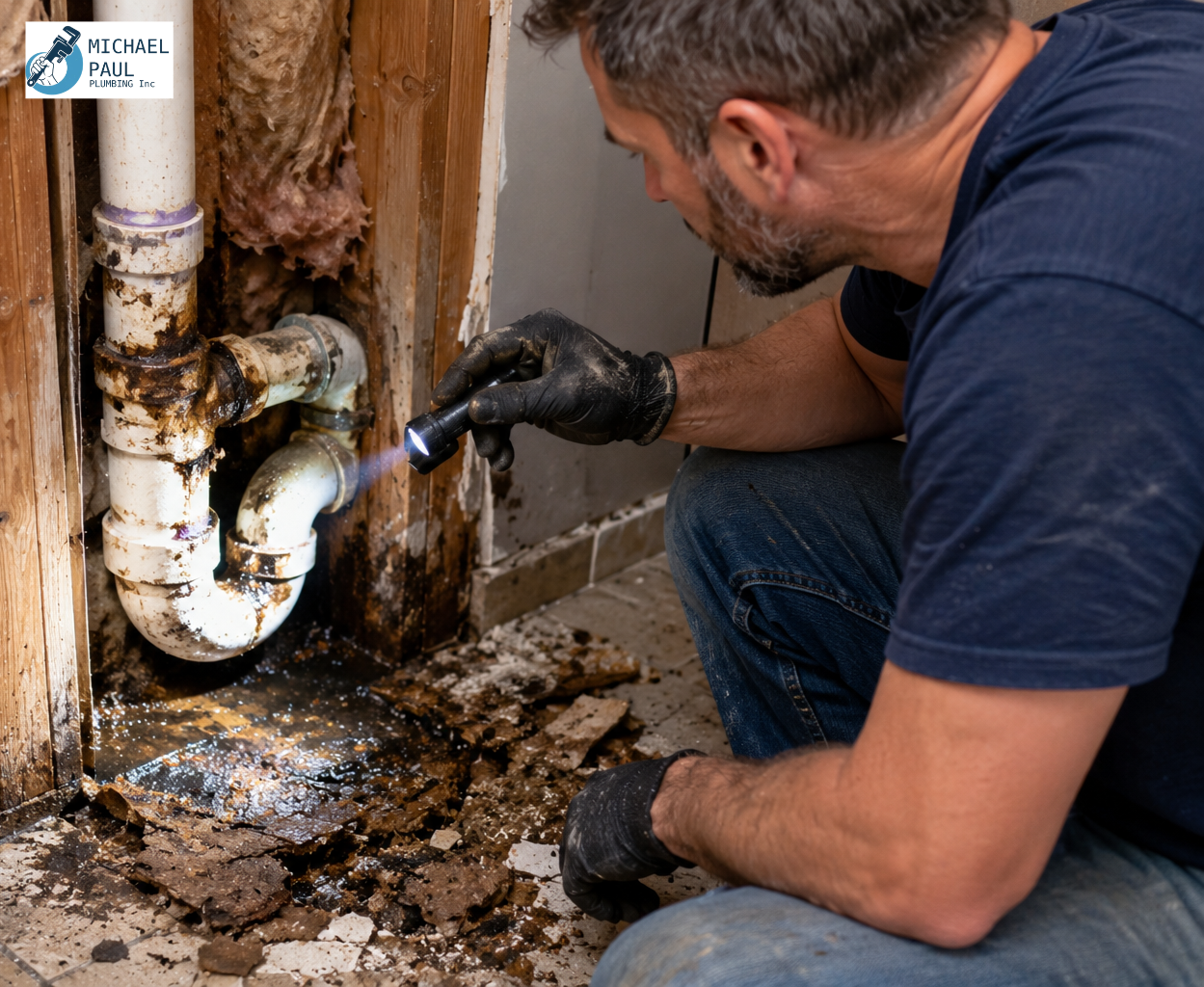
Slow drainage combined with damp cabinets, stained walls, or recurring odors can mean a hidden leak or damaged pipe. Those problems should be addressed quickly because they can lead to water damage, mold growth, and structural issues. The sooner the source is identified, the easier it is to protect the home.
If the drainage issue is tied to broader system wear, a plumbing inspection can determine whether repair or replacement makes the most sense. In homes with older plumbing, this kind of evaluation is often the difference between a small repair and an expensive emergency.
Real-World Examples That Show Why Diagnosis Matters
Kitchen sink grease buildup
One homeowner noticed their kitchen sink in Arlington Heights draining more slowly each week. At first, they assumed it was just a minor clog from food scraps. After inspection, the issue was found to be grease buildup inside the pipe, which had gradually narrowed the line until water could barely move through it.
Once the drain was professionally cleared, the sink returned to normal. The lesson was simple: a small habit like pouring grease down the sink can create a hidden problem that grows for months before it becomes obvious.
Bathroom sink hair accumulation
Another common case involves bathroom sinks, where hair and soap residue combine around the stopper and inside the trap. A homeowner may clean the bowl repeatedly but still experience slow drainage because the clog is sitting below the visible surface. In that kind of situation, a drain guard and regular cleaning can go a long way.
Prevention matters as much as repair. If you are remodeling a bathroom or reworking fixtures, our remodeling plumbing services can help you plan for better drainage and easier maintenance from the start.
Hard water and repeated sink issues
In homes with hard water, drainage trouble can keep returning even after clogs are removed. That is because the pipes may have scale buildup that keeps narrowing the passage. In these homes, addressing only the symptom will not fully solve the issue; the water quality and maintenance strategy matter too.
Adding a water treatment strategy or scheduling more frequent inspections can reduce future problems. If you suspect scale is affecting more than one fixture, it is wise to evaluate the plumbing system as a whole instead of focusing on just one sink.
How to Prevent a Slow-Draining Sink
Build better daily habits.
Good drainage starts with prevention. Avoid pouring grease, coffee grounds, or food scraps down the kitchen sink, and use a drain guard to catch debris before it enters the pipes. In the bathroom, remove hair regularly and clean the stopper before buildup becomes a clog.
These small habits make a major difference over time. Most slow drains do not happen suddenly; they develop because tiny amounts of waste are allowed to accumulate day after day.
Schedule routine plumbing maintenance
Routine maintenance is one of the best ways to keep drains moving freely. A professional inspection can catch buildup early, identify trap or vent issues, and reveal whether hard water or aging pipes are contributing to the problem. This is especially useful for households that have experienced repeated drain trouble.
If you want long-term peace of mind, scheduling periodic help from a trusted team is a smart investment. Our residential plumbing services are a practical option for homeowners who want preventative care, not just emergency repairs.
Pay attention to early warning signs.
Do not ignore a sink that seems only slightly slower than usual. Early warning signs often include water sitting for a few extra seconds, faint odors, or a subtle gurgling noise after draining. Those signals may not seem urgent, but they often show up before a full blockage or backup.
If you address the issue early, you can usually avoid larger repairs. That is especially true in homes where multiple fixtures depend on the same drain line or where older plumbing may already be vulnerable.
Frequently Asked Questions About Slow Sink Drains
Can I fix a slow-draining sink myself?
Yes, many minor clogs can be handled with safe DIY steps such as cleaning the stopper, plunging, or flushing the drain with hot water. If the issue is close to the sink opening, those methods may work well. However, if the drain keeps slowing down, the problem may be deeper in the plumbing.
If you are not sure whether the issue is minor or serious, it is safer to stop before damaging the pipe. A professional inspection can save time and prevent unnecessary trial and error.
Why does my sink drain slowly but not fully clog?
That usually means water is still finding a path through the pipe, but the path is partially blocked. A partial clog can get worse over time as debris keeps collecting. This is why a sink that “still works” should not be ignored.
The sooner you deal with it, the better the outcome. Small blockages are much easier to remove than hardened buildup or pipe damage.
Should I worry if my sink gurgles?
Gurgling often indicates trapped air in the drain system, which can happen when a clog or vent issue is disrupting normal flow. While a gurgle does not always mean major damage, it is a clue that something is off. If the noise keeps happening, it should be checked.
Persistent gurgling paired with slow drainage deserves attention because it may indicate a deeper line issue. That is especially true if more than one fixture is involved.
Final Thoughts: Slow Drains Are a Warning, Not Just an Annoyance
A slow-draining sink may start as a small inconvenience, but it can reveal a lot about the condition of your plumbing. The cause might be simple debris, a clogged P-trap, hard water scale, vent problems, pipe damage, or even a more serious sewer line concern. The key is to respond early and pay attention to patterns.
Homeowners who stay ahead of drain issues usually avoid more expensive repairs later. If the sink slows down again after cleaning, or if you notice odors, gurgling, or multiple fixtures acting up, it is time for a professional evaluation. For homes that need dependable support, explore our plumbing services in Arlington Heights or review our related article on keeping drains running smoothly.
If you are dealing with a sink that will not drain properly, do not wait for the problem to get worse. Contact Michael Paul Plumbing at +1 847 710 9333 or visit localtrustedplumber.com to schedule expert help and get your home’s drainage back on track.