If you’re dealing with plumbing problems in the same spot over and over, you’re not alone. Recurring leaks, clogs, or slow drains often signal a deeper issue, not just bad luck. The good news? Once you know what's causing it, you can fix it for good.
In this guide, we’ll dive into why these plumbing problems keep happening, how pros diagnose them, and which solutions can keep them from coming back. If you’re tired of dealing with that stubborn problem, our residential plumbing services and sewer rodding and repair can tackle both the symptom and the source. Knowing what's really going on can save you time, prevent water damage, and cut future repair costs.
Plumbing systems face challenges from age, soil movement, pressure changes, corrosion, and even landscaping. Often, a recurring issue means a specific section of pipe, a fixture connection, or a drain branch is weakening. According to the U.S. Environmental Protection Agency, small leaks can waste a lot of water, which is why catching them early is crucial.
Why Plumbing Problems Keep Coming Back in the Same Spot
It’s Usually Structural, Not Just Random
If the same sink, toilet, basement drain, or wall section keeps acting up, there’s probably a structural reason behind it. Maybe there’s a damaged pipe, a bad slope, a hidden crack, or a partial blockage that never clears. Temporary fixes can work for a bit, but without addressing the real issue, the problem will return.
Recurring issues often fall into three categories: pipe damage, something from outside getting in, or drainage design flaws. Think about it this way: a kitchen drain might keep clogging because grease coats the pipe walls, or a basement might keep backing up because tree roots are sneaking into the sewer line. Similarly, a bathroom might leak repeatedly due to a corroded fitting under constant pressure.
Old Piping and Materials Can Lead to Repeat Problems
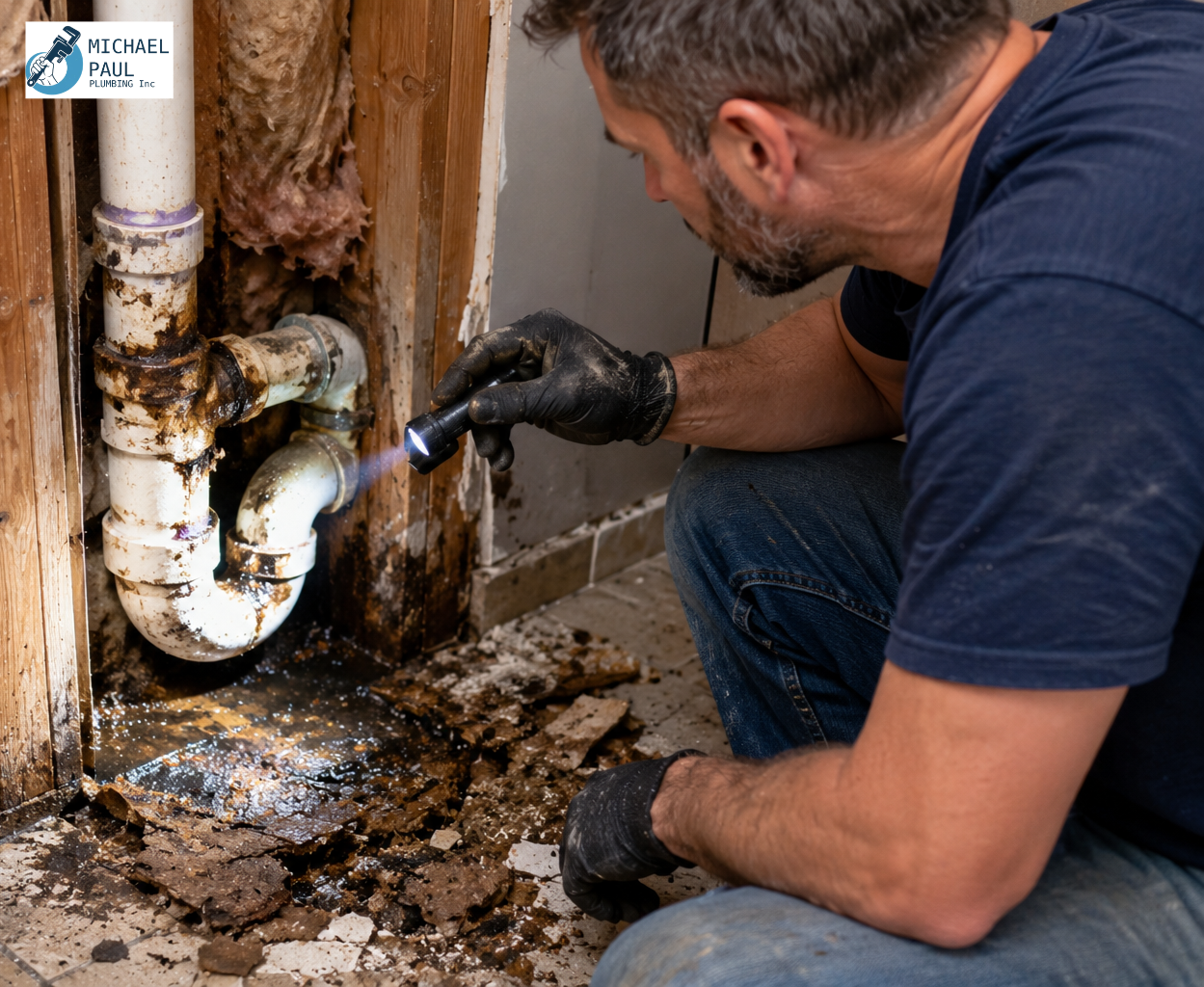
Older pipes are more prone to corrosion, pinholes, loose joints, and internal buildup. Over time, pipes can narrow, roughen, or weaken, making them more likely to leak or clog. If your home still has aging supply or drain lines, a recurring issue might be the first sign that a section is reaching its end. Check out our guide to pipe replacement warning signs for more details.
This is where a professional inspection really helps. Instead of patching the same pipe over and over, a plumber can see if the material is failing. If the pipe is corroded, cracked, or misaligned, replacing it might be more cost-effective than repeated service calls. The right repair can also prevent hidden water damage from spreading behind walls or under floors.
Common Reasons for Recurring Plumbing Issues
Tree Root Intrusion
Tree roots are a top cause of recurring sewer and drain problems. They naturally seek moisture, and even a tiny crack in a sewer line can attract them. Once inside, roots grow and trap debris, causing the same blockage repeatedly. This issue is common in areas with mature trees and older sewer systems.
Research and local experiences consistently highlight this problem as a major factor in repeat backups. If you suspect a persistent sewer issue, a camera inspection can confirm whether roots are the culprit before starting any heavy-duty work. Sometimes, the solution might involve hydro jetting and trenchless rehabilitation instead of repeated snaking. For more on sewer maintenance and root issues, visit the Water Environment Federation.
Pipe Corrosion and Internal Buildup
Corrosion can make pipes rough inside, catching debris more easily. Minerals, soap residue, grease, and sediment can build up until flow is restricted. In supply lines, corrosion can reduce water pressure or cause small leaks that worsen over time. In drain lines, buildup can lead to the same slow-draining fixture day after day.
If you notice a repeating problem in a single fixture, don’t assume the drain cleaner solved it for good. Chemical cleaners might temporarily break up a blockage, but they don’t repair worn pipe walls or remove corrosion. A professional evaluation can reveal whether the issue is localized buildup or a larger material failure needing replacement.
Shifting Soil and Foundation Movement
Soil movement can push pipes out of alignment, create separations at joints, or stress older connections. This often happens when the ground expands and contracts with changes in moisture and temperature. Once a pipe has shifted, the same section may keep collecting debris or leaking because its slope is off.
Homes with slab foundations can be especially vulnerable because some problems stay hidden until the damage becomes obvious. You might notice recurring wet spots, repeated sewer odors, or a fixture that always drains slowly, even after cleaning. If the same location keeps failing, the pipe may be physically out of line and should be inspected with a camera before more damage occurs. For plumbing work tied to upgrades or layout changes, our remodeling plumbing services can help ensure the system is reconfigured correctly from the start.
How Pros Diagnose the Root Cause
Video Camera Inspections Reveal What Guessing Cannot
One of the best ways to solve repeated plumbing issues is a video camera inspection. This tool lets a plumber see inside the pipe in real-time, identify cracks, root intrusion, offsets, corrosion, or standing water, and recommend a targeted fix. Instead of treating only the symptom, the inspection shows exactly where the issue begins.
This approach is especially helpful when the same drain or sewer line keeps clogging. A camera can determine whether there’s a belly in the pipe, a collapsed section, or a recurring obstruction at a joint. Since the diagnosis is visual, it reduces guesswork and helps homeowners make better repair decisions. If you’re comparing repair options, this step often starts the path to a long-term solution.
Pressure Testing and Leak Detection Systems
For hidden leaks, pressure testing and smart leak detection can catch problems before they cause major damage. Leak detection systems are becoming more common in homes because they alert owners to moisture changes, unexpected water use, or active leaks in real-time. According to the U.S. Department of Energy, water efficiency and leak prevention are practical ways to reduce waste and protect home systems, and smart tools support that goal.
If the same wall cavity, cabinet, or ceiling area keeps showing moisture, a smart sensor may help confirm whether the leak is intermittent or constant. This can be particularly valuable in kitchens, bathrooms, utility rooms, and areas near water heaters. For a deeper look at hidden fixture issues, our article on bathtub and shower warning signs explains how subtle symptoms can reveal bigger problems.
Hydro Jetting for Stubborn Buildup
Hydro jetting uses high-pressure water to remove grease, scale, roots, and debris from pipes. Unlike simple snaking, which may punch a hole through the blockage, hydro jetting cleans the pipe walls more thoroughly. That makes it a strong choice when a drain keeps clogging in the same spot because the buildup has not been fully removed.
It’s not the right solution for every pipe, especially if the line is fragile or severely damaged. That’s why a camera inspection should come first. But when the pipe is structurally sound, hydro jetting can restore flow and help prevent the same clog from reforming too soon. Many plumbers consider it a best practice for repeated drain problems because it focuses on both cleaning and prevention.
Why Quick Fixes Often Fail
Temporary Patches Don’t Address the Source
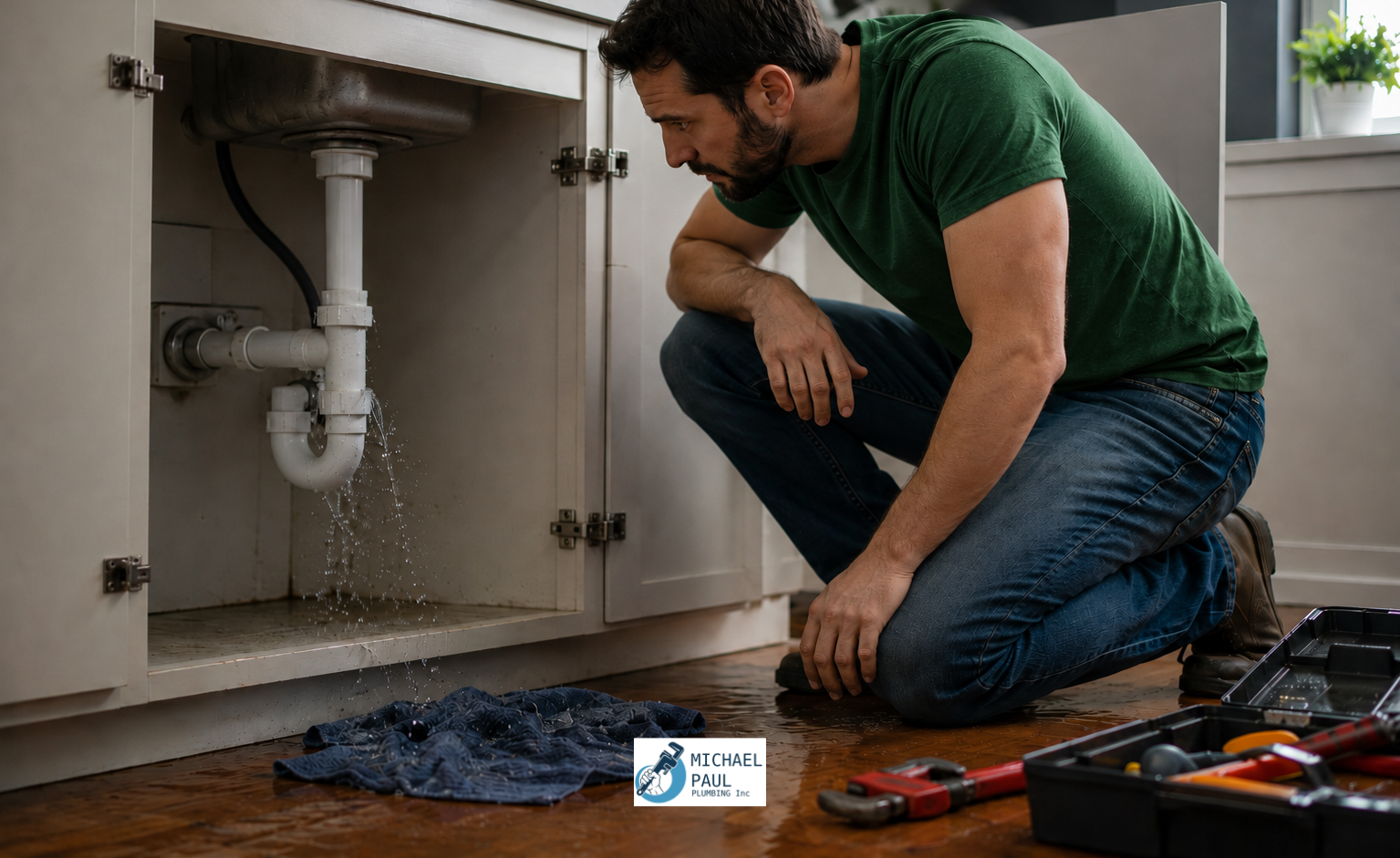
A recurring plumbing issue might seem solved after a basic repair, but if the root cause remains, the same problem can return within days or months. For instance, clearing a drain with a plunger or chemical cleaner doesn’t remove root intrusion. Replacing a short section of pipe may help briefly, but if nearby pipes are corroded, the issue can simply move down the line.
This is why quick fixes can become expensive over time. Multiple service calls, repeated cleanup, and hidden moisture damage can cost more than a permanent repair would have cost at the start. If you’re tired of paying for the same problem repeatedly, it may be time to look beyond the immediate symptom and ask what’s causing it to reappear.
Improper Repairs Create New Stress Points
Sometimes a repair is made correctly at the immediate leak or clog, but the work introduces a new weak point if the system around it is already under stress. This can happen when pipe sections of different ages or materials are joined incorrectly, or when a clogged line is cleared without addressing the damaged joint. Over time, these weak points can become the new location for the next failure.
Professional evaluation helps prevent that cycle. A trained plumber looks at the whole system, not just the visible problem. That includes checking pipe slope, venting, fixture load, and nearby branches that may be contributing to the issue. If the problem keeps coming back, there’s often a reason beyond the immediate repair area.
Local Factors That Make Recurring Problems More Likely
Soil, Weather, and Mature Trees Matter
Local conditions play a large role in repeated plumbing issues. In areas with mature trees, root infiltration is more likely. In regions with clay-rich soil and seasonal freeze-thaw cycles, underground pipes can shift, crack, or settle unevenly. These environmental factors can make the same section of plumbing fail over and over again, even when the interior fixtures seem fine.
That’s why local experience matters so much in diagnosis. A plumber who understands regional soil behavior, seasonal changes, and typical pipe materials can often identify patterns faster. Homeowners in older communities often benefit from proactive service because small problems are more likely to become recurring ones if they’re left untreated.
Older Homes and Mixed Plumbing Materials
Older homes often have a mix of pipe materials installed over different decades. That can create connection issues, pressure differences, and corrosion at transition points. A drain might repeatedly clog because one older section has narrowed significantly, or a supply line may leak where dissimilar metals meet.
If your home is older, recurring plumbing issues may be a sign that the system needs a broader evaluation. It’s often better to identify weak sections before they lead to water damage or sewer backups. For comprehensive help with home systems, our commercial plumbing services and industrial plumbing services pages show how we handle more complex water and drain systems, too, including heavier-use properties where failures can be costly.
Solutions That Actually Stop Repeat Problems
Trenchless Pipe Repair
Trenchless pipe repair is one of the most important advances in modern plumbing. Instead of digging up large sections of lawn, driveway, or landscaping, plumbers can fix damaged lines with minimal disruption. Depending on the issue, this may involve lining the pipe or replacing only the failed section through targeted access points.
This method is especially valuable when recurring issues are caused by the line itself rather than the fixtures above it. If the pipe has cracks, root entry points, or structural weakness, trenchless repair addresses the cause directly. It can be a strong long-term option for homeowners who want a durable solution without major excavation. If recurring backups are affecting a basement drain, consider whether the sewer line may need this type of rehabilitation.
Targeted Replacements and Upgraded Materials
Some problems are too severe for cleaning or patching. In those cases, replacing the damaged section with modern piping may be the best option. Newer materials can improve durability, reduce corrosion risk, and restore proper flow. The goal is not simply to stop the visible leak or clog, but to improve the system’s long-term performance.
When replacement is part of a broader improvement plan, it can also support remodels, additions, or fixture upgrades. For homeowners planning future improvements, our addition plumbing services can help tie new plumbing into an existing system more reliably. A broader solution often prevents the same problem from returning in another form.
Preventive Maintenance and Routine Inspections
The easiest way to reduce repeat plumbing problems is to catch them early. Regular inspections can reveal small cracks, early root intrusion, slow buildup, or weak seals before they become major emergencies. Maintenance also makes it easier to compare changes over time, which helps determine whether a pipe is stable or getting worse.
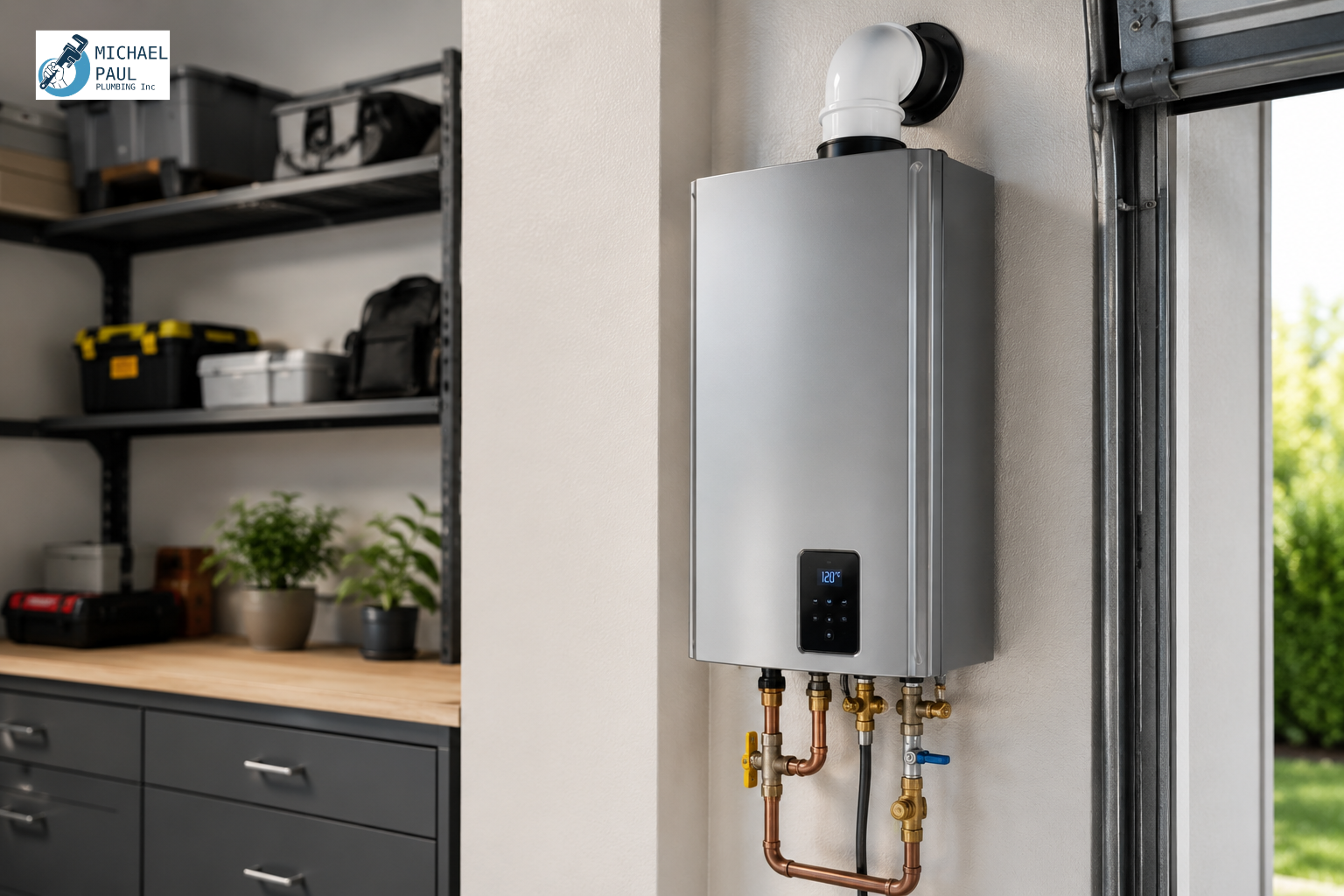
Many homeowners wait until a problem is severe enough to disrupt daily life, but preventive service is usually less stressful and less expensive than emergency response. A scheduled inspection can identify whether hydro jetting, pipe repair, fixture replacement, or a full line evaluation is the right next step. If you want to reduce repeat issues across your home, pairing inspections with water heater services or drain care can improve system reliability as a whole.
Real-World Example: A Repeated Basement Backup
What Happened
A homeowner might call for help because the same basement floor drain backs up every few months, usually after heavy use or rain. At first, a standard drain cleaning seems to solve the issue. But the problem returns, suggesting the blockage isn’t just random debris. After several callbacks, the homeowner realizes the repair approach isn’t lasting.
In a case like this, a camera inspection might reveal tree roots in the sewer line near the same joint each time. The roots aren’t fully removed by basic snaking, so the problem keeps returning. Once the root intrusion is confirmed, hydro jetting can remove the buildup, and trenchless repair can restore the damaged line so the same backup doesn’t keep happening.
Why the Long-Term Fix Worked
The key to the successful outcome is that the repair matched the cause. Instead of treating the drain as if it were a simple clog, the plumber identified the compromised section of the sewer pipe. That meant the homeowner no longer had to rely on repeated temporary cleanouts. The repair solved the structural issue and reduced the chance of future flooding.
This kind of example is common in homes with older sewer infrastructure and mature landscaping. It’s also a good reminder that recurring plumbing issues often make more sense once the pipe is actually inspected. If your problem keeps returning in the same spot, there’s usually a physical reason hidden below the surface or inside the wall.
FAQs About Recurring Plumbing Problems
Why Does the Same Drain Keep Clogging?
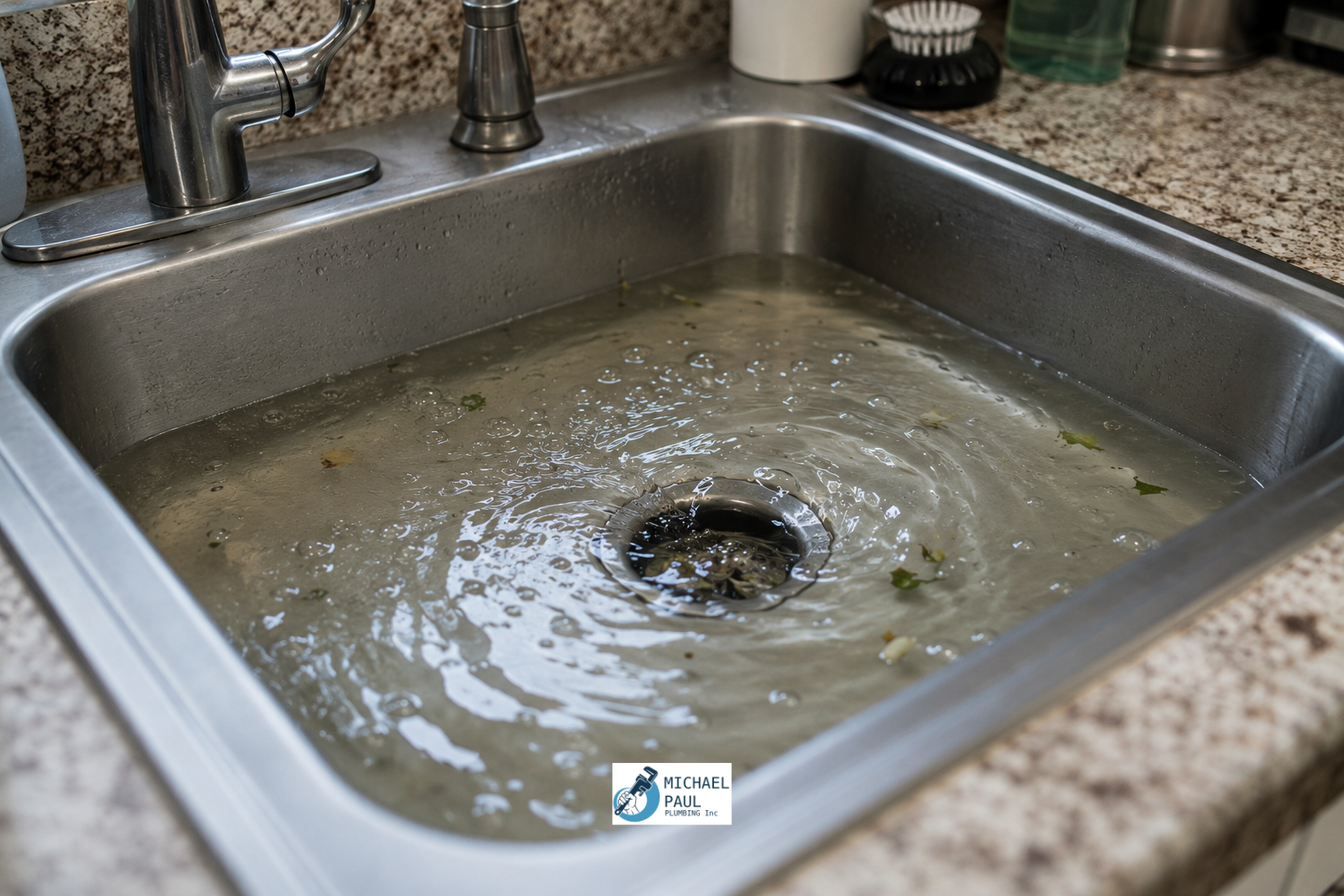
The most common reasons include grease buildup, pipe damage, root intrusion, poor slope, or a partial obstruction that was never fully removed. If the clog comes back after cleaning, the pipe may need camera inspection or hydro jetting. Repeated clogs are often a sign that the line itself is the problem.
Should I Keep Using Drain Cleaner?
Occasional use might seem convenient, but repeated chemical cleaner use can damage pipes and usually doesn’t solve recurring issues. If the same problem keeps returning, it’s better to identify the cause than to keep applying a temporary fix. A professional assessment can be safer and more effective.
When Should I Call a Plumber?
Call a plumber if the same leak, clog, odor, or backup keeps coming back after a repair. You should also call if you notice water stains, gurgling sounds, slow drains in multiple fixtures, or moisture in walls or floors. These are signs that the problem may be bigger than it appears.
Can Smart Leak Detectors Really Help?
Yes. Leak detection systems can alert you to hidden moisture or unusual water use before a small issue becomes serious damage. They are especially useful in basements, near water heaters, and under sinks where leaks may be hard to see. When combined with regular inspections, they can reduce the chance of repeat damage.
How to Prevent the Same Plumbing Problem From Returning
Create a Maintenance Routine
A simple maintenance routine can make a big difference. Watch for slow drains, recurring odors, small wet spots, and unusual water bills. Schedule inspections before problems become emergencies, and avoid flushing or rinsing materials that can create buildup. Small habits often prevent large repairs.
If you’ve had repeat problems in one area, keep notes on when they happen, what fixtures are involved, and whether weather or heavy water use seems to trigger them. That information can help a plumber diagnose the pattern faster. A clear history is often the fastest path to a permanent solution.
Use the Right Repair for the Right Cause
Not every recurring plumbing issue needs the same fix. Some problems require cleaning, some need part replacement, and others require full line rehabilitation. The right solution depends on what the inspection shows. A homeowner who understands that distinction can make smarter decisions and avoid paying for the same temporary fix twice.
That’s also why experienced service matters. A skilled plumber will explain whether the issue is isolated, systemic, or likely to worsen with time. When you have recurring problems, the best approach is to solve the source, not just the symptom.
Know When a Bigger Upgrade Is Worth It
Sometimes, a recurring issue is the signal that an aging section of the system should be upgraded. That might mean replacing a weakened drain line, adding a sump pump solution for a wet basement, or improving drainage around a moisture-prone area. For homes affected by water intrusion, our sump pump installation and repair, and battery backup systems can add important protection during storms and outages.
If you’re dealing with the same plumbing issue over and over, don’t settle for another short-term patch. A targeted repair, preventive maintenance plan, and modern diagnostic tools can break the cycle for good. When you’re ready for dependable help, contact Michael Paul Plumbing at +1 847 710 9333 or visit localtrustedplumber.com to schedule service and get a lasting solution.