Signs Your Pipes Might Need Replacement
Let’s face it, most of us don’t think about our plumbing pipes until there’s a problem. But waiting for a major leak to happen can cost you a lot. Catching early signs that your pipes are wearing out can safeguard your home, your water, and your wallet. If you’re already dealing with plumbing headaches, it might be time to check out professional residential plumbing services before a minor issue becomes a big deal.
Plumbing has come a long way with new, durable materials like PEX and CPVC that resist corrosion better than older pipes. Smart leak detectors also help catch issues early. But even the best materials don’t last forever. Older homes can still suffer from wear and tear, corrosion, and hidden leaks that can lead to costly damage. The EPA’s WaterSense program points out that smart water use and leak awareness are key to keeping your plumbing in good shape.
This guide will walk you through the common signs your pipes might need replacing, how different materials stack up, expert advice, and when to call in a professional for a check-up. We’ll also touch on trends, stats, and practical tips for avoiding emergency repairs.
Why Replacing Pipes Matters More Than You Think
Small Problems Often Grow Big
Pipes rarely stay trouble-free forever. A tiny leak, hidden crack, or corroded area can quietly get worse behind walls, floors, or ceilings. By the time water damage is visible, the plumbing issue might already be serious. That’s why regular checks are crucial, especially if your home is older or hasn’t had a plumbing inspection in years.
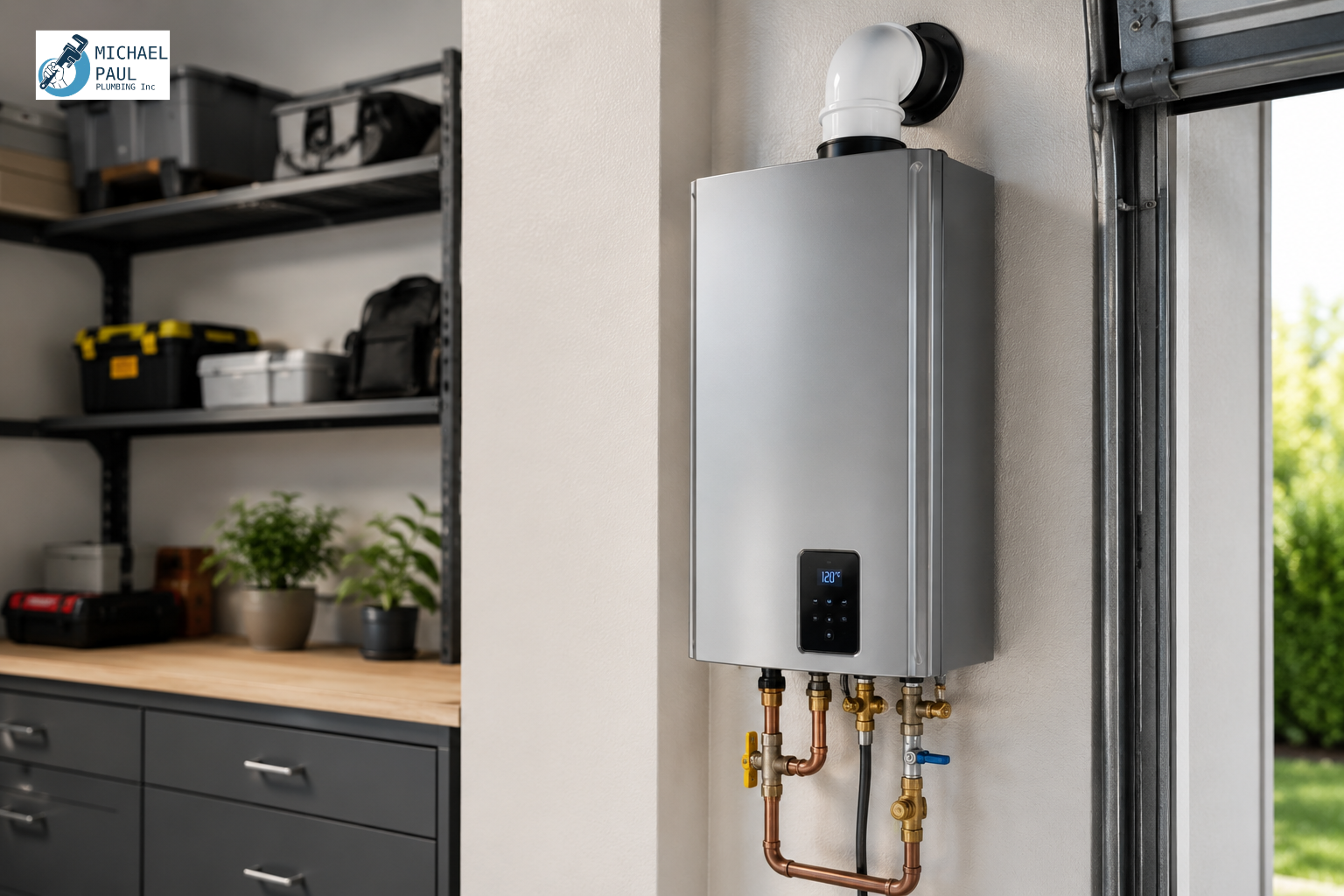
Replacing pipes isn’t just about stopping leaks. It also helps keep your home structurally sound, prevents mold, improves water flow, and lowers the risk of contaminated water. If you've had ongoing plumbing issues, it might be a good idea to check out related systems, like water heater services, since poor water quality or pressure changes could signal bigger plumbing problems.
Older Homes Are At Higher Risk
Homes built years ago often have galvanized steel, cast iron, or aging copper pipes that might be nearing their end. Many homeowners only find out there’s a problem when they notice rusty water, pressure drops, or several leaks in a short time. This is especially true in areas with a mix of old and new homes, where plumbing conditions can vary greatly from house to house.
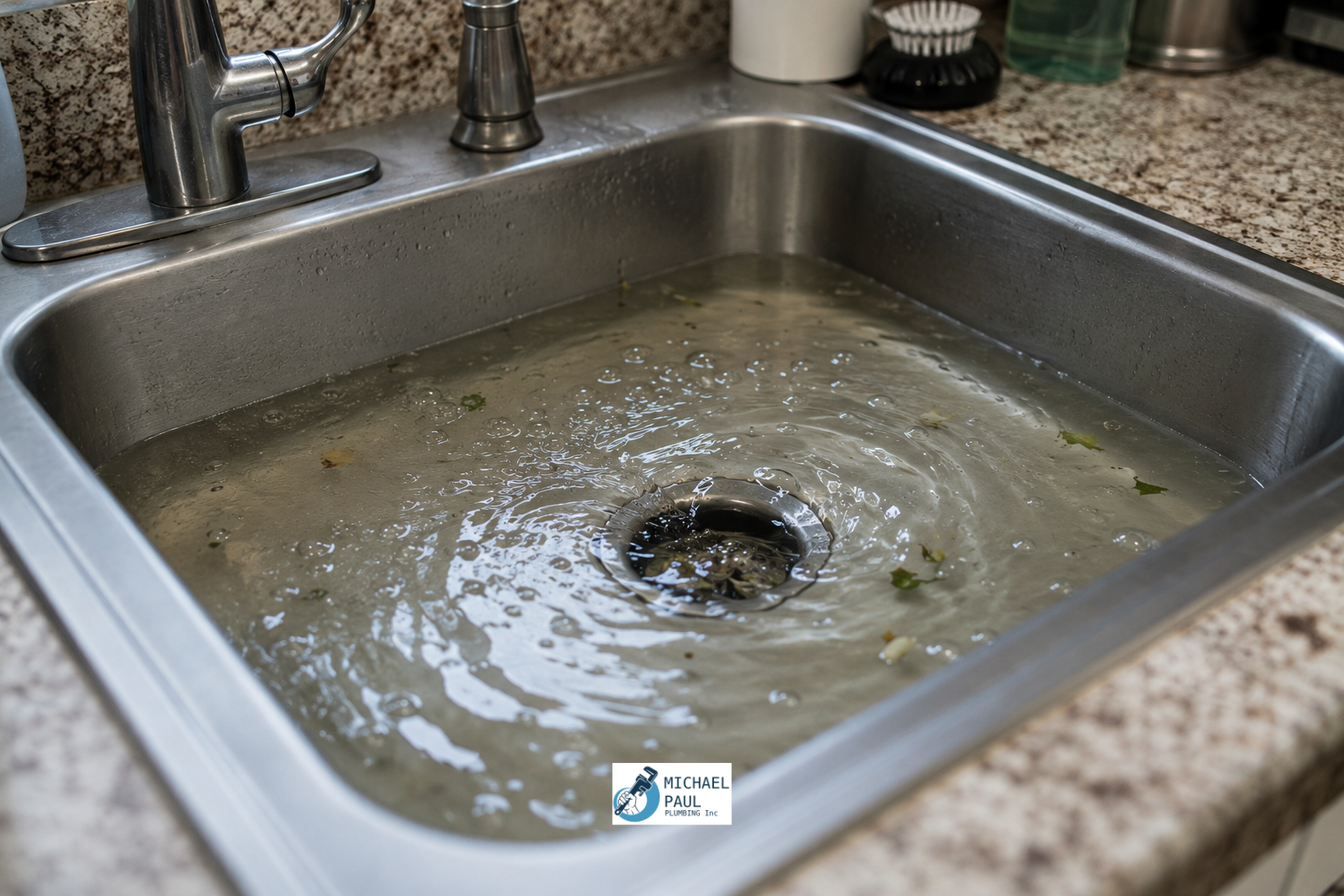
If you’re dealing with frequent backups or issues in connected drainage systems, a full check might involve sewer rodding and repair. A damaged sewer line doesn’t always mean failing supply pipes, but both need quick attention as they affect comfort, hygiene, and safety.
Clear Signs Your Pipes Might Need Replacement
1. Frequent Leaks or Constant Repairs
One big sign of failing pipes is repeated leaks in different parts of your home. If a plumber fixes one area only for another leak to pop up soon after, your plumbing system might be telling you it’s aging out. Multiple repairs in a short period often cost more than a planned replacement and usually mean widespread corrosion or material fatigue.
Some homeowners try to patch the same pipe repeatedly, but that can be misleading. Quick fixes might solve the symptom, not the cause, which is why experts suggest looking at the system's overall condition rather than just the latest leak. For more insights, check out why quick plumbing fixes can cost more in the long run.
2. Rusty, Discolored, or Metallic-Tasting Water
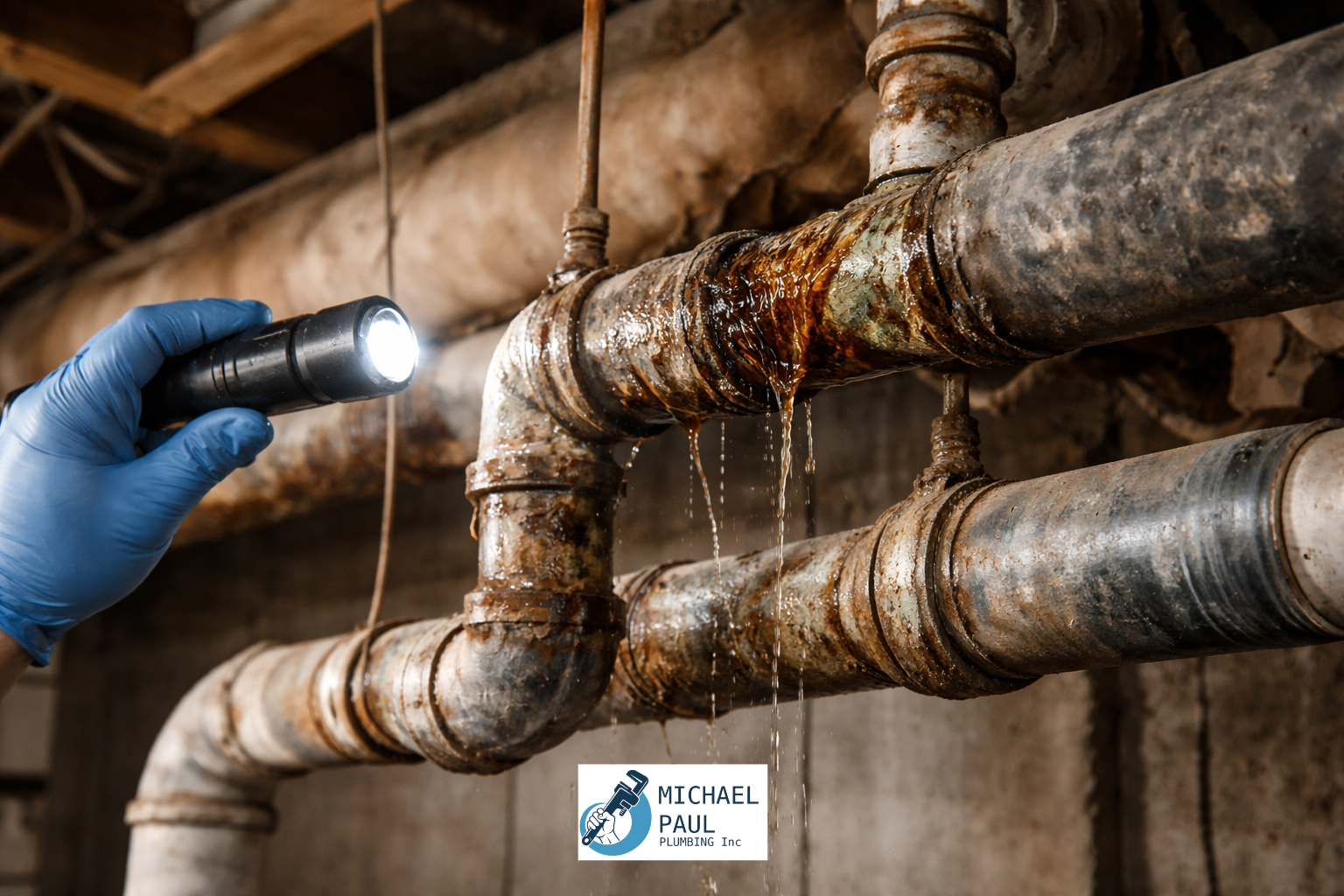
Brown, yellow, or reddish water might mean your pipes are corroding. Rust-colored water can happen when galvanized steel pipes break down, but it can also be due to sediment, old fixtures, or changes in municipal water. If the color change is persistent, it should be checked out, as it might mean the pipe itself is deteriorating.
Don’t ignore discolored water if it has a metallic taste or visible sediment. The CDC highlights that safe drinking water relies on good maintenance, and homeowners should notice any changes in water appearance, smell, and taste. If the problem seems linked to old pipes, replacing them might be more effective than flushing or changing filters repeatedly.
3. Low Water Pressure Throughout the Home
Low water pressure can be due to several things, like mineral buildup, hidden leaks, or narrow pipe interiors. As pipes corrode, scale and rust can reduce the inside diameter, restricting flow and making showers, sinks, and appliances work poorly. If low pressure affects more than one fixture, it’s likely a system-wide issue rather than an isolated problem.
This is especially important if your home has older fixtures or has undergone remodeling. A pressure drop during renovations might indicate that new fixtures are exposing weaknesses in old pipes. In such cases, a professional inspection can determine if the issue is isolated or if you need remodeling plumbing services.
4. Strange Noises in the Plumbing System
Clanging, banging, rattling, or whistling sounds can signal pressure changes, loose pipe supports, or flow restrictions. While some noises are minor, persistent sounds usually mean water is moving through narrowing or damaged sections. Water hammer can also point to pressure issues, which may stress older pipes and hasten future failures.
Unusual noises might be especially noticeable when multiple fixtures are running or when appliances cycle on and off. If the noise pattern is new or worsening, note when it happens and which areas of the house are involved. This info helps a plumber decide if replacement, repair, or further diagnosis is needed.
5. Visible Corrosion, Stains, or Damp Spots
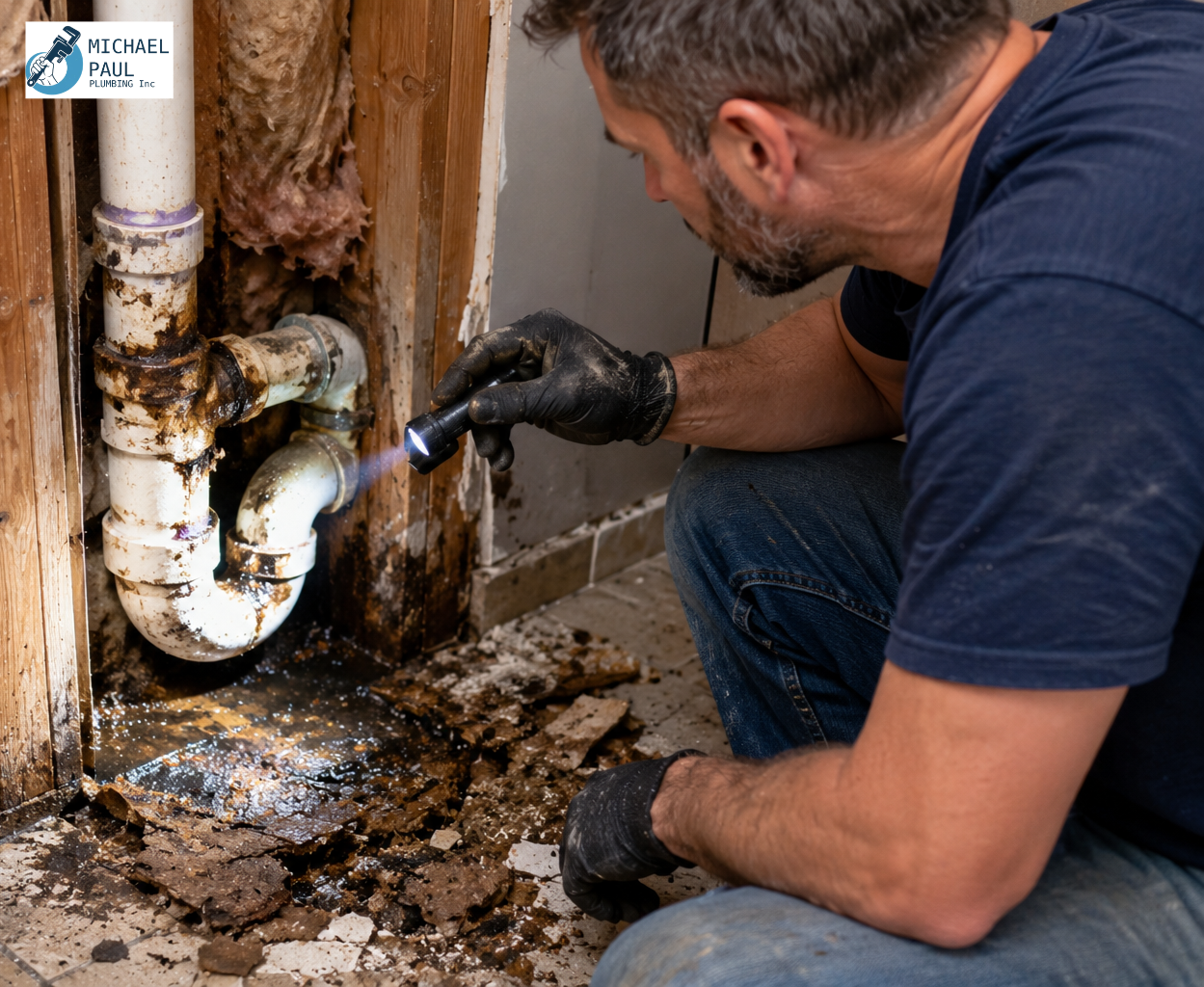
Sometimes the signs are right in front of you. Green stains around copper joints, flaking pipe surfaces, moisture on basement lines, or damp spots on walls and ceilings can all indicate pipe deterioration. Even small signs of moisture should be taken seriously because hidden leaks can damage framing, insulation, and drywall long before they’re visible.
In homes with attached garages, basements, or crawl spaces, visual checks can be especially useful because many pipes are easier to inspect in these areas. If a damp spot appears near a water heater or laundry area, the issue might involve connected components, too. Homeowners thinking about efficiency improvements can benefit from smart plumbing solutions that detect leaks in real time.
What Research Says About Pipe Lifespan and Material Choice
Pipe Lifespan Varies Widely with Material
How long pipes last depends on their material, water hardness, local conditions, and maintenance. Galvanized steel pipes often last around 20 to 50 years, while copper can last up to about 50 years or more if conditions are good. Cast iron, PVC, PEX, and CPVC each have different strengths, and no material is immune to aging.
So, age alone isn’t the only factor. A 40-year-old copper system might still work fine in one home, while another house with similar-age galvanized lines might be failing. That’s why a professional assessment is key instead of guessing based on age alone. If your home is older, it’s wise to compare your plumbing with the tips in plumbing tips for historic homes.
Modern Advantages of PEX and CPVC
One big trend in plumbing is moving towards more corrosion-resistant materials. PEX is popular for being flexible, durable, and easier to install in many homes. CPVC is also widely used for its resistance to corrosion and its ability to handle hot water lines in certain settings. These materials are great choices when replacing outdated supply lines, especially in homes with recurring rust or scaling issues.
Material upgrades aren’t just about convenience; they’re about long-term reliability. The industry is focusing on sustainable plumbing practices, including reduced waste, more efficient installation methods, and lower chances of repeat service calls. If you’re planning upgrades as part of a larger project, you might want to check out additions plumbing services, especially if your home layout is changing.
Smart Monitoring is Changing Home Plumbing
Smart leak detectors and water monitoring systems are game-changers. These tools can alert you to unusual water use, hidden leaks, and pressure anomalies before they become emergencies. Some systems even provide app-based notifications and remote shutoff options, which can save you a lot in water damage if a pipe bursts while you’re away.
The National Institute of Standards and Technology emphasizes the role of measurement and monitoring in improving building performance, and plumbing is no exception. Smart tech doesn’t replace regular check-ups, but it adds a powerful layer of protection. This combo is especially useful in homes where pipes are nearing replacement age.
How to Spot Pipe Problems Before They Escalate
Start with a Simple Home Check
You can often catch early warning signs by checking exposed pipes under sinks, in basements, behind access panels, or near mechanical equipment. Look for rust, mineral deposits, moisture, peeling paint, and slow drips. Also, note whether one fixture is affected or if the issue spreads across the house.
Run water in different areas of your home and see how quickly it drains, whether noises occur, and if the pressure changes. These observations help create a basic picture of system health. If you want a more thorough maintenance routine, the ideas in the ultimate vacation plumbing checklist can be adapted for year-round use.
Keep an Eye on Water Quality
Water quality can show pipe deterioration before a major failure happens. If you notice a metallic smell, cloudy water, or sediment in faucets, a test might be necessary. Water testing can help identify if the problem is linked to corrosion, mineral content, or a larger plumbing issue that needs immediate attention.
Regular testing is especially important in homes with older pipes or private water systems. If your water quality has changed recently, don’t assume it’s just a seasonal thing. Persistent changes should be checked, especially if they come with pressure loss or discoloration. The EPA’s guidance on household water efficiency and leak awareness is a good starting point for understanding how water issues can develop.
Schedule Professional Inspections Annually
Experts recommend annual plumbing inspections, especially for older homes. A qualified plumber can spot weak spots, hidden corrosion, and system stress that homeowners might miss. An inspection might include checking supply lines, shut-off valves, exposed piping, water pressure, and signs of leakage around appliances and fixtures.
Annual inspections are often the best way to prevent emergency replacements. They can also help you plan for future upgrades instead of being caught off guard by a sudden failure. If you’re comparing broader service needs for a home or business, you can also explore commercial plumbing services and industrial plumbing services to see how systematic inspections are used in more complex environments.
When Repair Is Enough and When Replacement Is the Smarter Choice
Repair Works for Isolated Damage
Not every plumbing issue needs a full pipe replacement. A single damaged joint, a localized leak, or a simple fixture connection problem might be repairable if the rest of the system is in good shape. In newer homes, isolated repairs are often the most cost-effective solution.
The key is figuring out if the problem is truly isolated. If the repair area is surrounded by corrosion, repeated failures, or aging material, then the fix might only be temporary. A professional evaluation helps avoid spending money on repeated service calls that don’t solve the underlying problem.
Replacement Is Better for System-Wide Issues
Replacement usually makes more sense when leaks are frequent, pressure is consistently low, water quality has dropped, or pipe materials are way past their expected lifespan. It’s also more practical when multiple sections of pipe show signs of corrosion or when repairs would require opening many walls over time. In those cases, replacing the lines can actually reduce disruption in the long run.
If you’re worried about major replacements, understanding modern methods like trenchless technology and targeted rerouting can help. These techniques make the process less invasive than many expect. In some homes, replacement might also be coordinated with related work, like gas pipe services, when planning a broader utility upgrade.
Local Factors That Make Pipe Replacement Especially Relevant
Older Homes Can Have Hidden Risks
In areas with both old and new homes, pipe ages can vary a lot even within the same neighborhood. Older houses often have original supply lines that might be made from galvanized steel or other materials that corrode more easily. Because the outside of the pipe might look fine while the inside is deteriorating, hidden risks can stay unnoticed for years.
For homeowners in Arlington Heights, this matters because many homes have had partial renovations over time. This means a home might have a mix of modern fixtures and old infrastructure underneath. In these situations, replacement decisions should be based on the full system’s condition, not just the visible parts.
Weather and Seasonal Stress Can Speed Up Wear
Winters in Illinois can put extra stress on plumbing systems, especially where pipes are exposed to cold or lack insulation. Freezing and thawing cycles can weaken aging materials, enlarge small cracks, and increase the chance of sudden leaks. Homes with previous cold-weather plumbing issues should be checked carefully before the next season arrives.
If your home has areas prone to freezing, a plumbing professional can recommend insulation, rerouting, or replacement strategies to reduce future damage. Homeowners wanting to prevent winter-related failures might also consider pairing pipe improvements with sump system planning, including sump pump installation and repair and, when appropriate, battery backup systems.
Case Study: Aging Infrastructure in Real Life
Discolored Water and Repeated Leaks in an Older Home
Imagine a homeowner noticing rusty water in the morning and a pressure drop when using two fixtures at once. After a few months, a small leak appears under a bathroom sink, then another leak in the basement line. At first, these seem like separate issues, but the pattern suggests system-wide corrosion rather than random failures.
In cases like this, replacement often proves more economical than repair. Once one part of the system fails, adjacent sections may not be far behind. This is why many older homes eventually benefit from a whole-home repiping project rather than a series of piecemeal fixes. If you’re facing similar warning signs, it’s worth consulting a local expert who can assess whether your system needs targeted repair or a broader replacement plan.
What Homeowners Learn After Replacement
After replacing failing lines, many homeowners notice immediate improvements in water pressure, water clarity, and overall peace of mind. They also tend to experience fewer emergency calls and less frustration from ongoing plumbing uncertainty. In some cases, the long-term savings can be significant because the homeowner avoids repeated repairs, drywall damage, and water waste.
This outcome reinforces an important lesson: replacement is not just a cost, it is an investment in safety, reliability, and efficiency. For homes with old or unreliable piping, it can also improve resale value by giving future buyers confidence in the property’s infrastructure.
Frequently Asked Questions About Pipe Replacement
How can I tell if my pipes need replacement?
Look for frequent leaks, low water pressure, rusty or discolored water, strange noises, visible corrosion, and recurring repairs. If several of these signs appear together, there is a strong chance your plumbing system is nearing the end of its service life. A professional inspection will confirm whether repair or replacement is the right move.
Is pipe replacement a major undertaking?
It can be, but modern methods have made the process far more manageable than many homeowners expect. Depending on the layout of your home and the condition of the pipes, a plumber may use targeted replacement, access-panel work, or more efficient routing methods to reduce disruption. For broader renovations, the project can be planned alongside other improvements so the work is done efficiently.
How can I prevent future pipe problems?
Routine inspections, prompt leak repair, water quality monitoring, and proper insulation all help reduce risk. If your home has aging pipes, preventative replacement may be the best way to avoid emergencies. It is also wise to use leak detectors and keep an eye on your water bill for unexplained increases.
Can smart devices really help?
Yes. Smart leak detectors and monitoring systems can alert you to sudden changes in water use or hidden leaks before major damage occurs. They are not a substitute for maintenance, but they are a valuable early-warning tool. When combined with professional inspections, they provide a stronger defense against costly surprises.
Take the Next Step Before a Small Issue Becomes a Big One
Pipe replacement is one of those home maintenance decisions that is easier and less expensive when it is planned early. If you have noticed recurring leaks, rusty water, pressure problems, or strange noises, your plumbing system may be asking for attention. The sooner you address it, the more likely you are to avoid emergency damage, mold issues, and expensive repairs.
Michael Paul Plumbing helps homeowners make informed decisions about aging plumbing systems, from evaluation to repair and replacement. If you suspect your pipes may be failing, schedule a professional inspection and get a clear plan before the problem worsens. To learn more or request service, visit our Arlington Heights service area or contact us to discuss the best solution for your home.