Why Quick Plumbing Fixes Can Cost More in the Long Run
When a pipe springs a leak or a faucet drips, a quick fix can be tempting. It seems like a cheap, easy way to stop water damage and avoid a bigger mess. But those temporary repairs might actually lead to bigger costs down the road — think water damage, mold, and higher bills. Let’s dive in and explore why those quick solutions often turn into expensive problems later.
Need a long-term plumbing solution? Our team at Michael Paul Plumbing can help with permanent fixes and proactive maintenance. Check out our residential plumbing services to see how we handle common leaks and pipe repairs with lasting solutions.
Weighing the Costs: Quick Fixes vs. Real Solutions
Cheap and Quick, But Risky
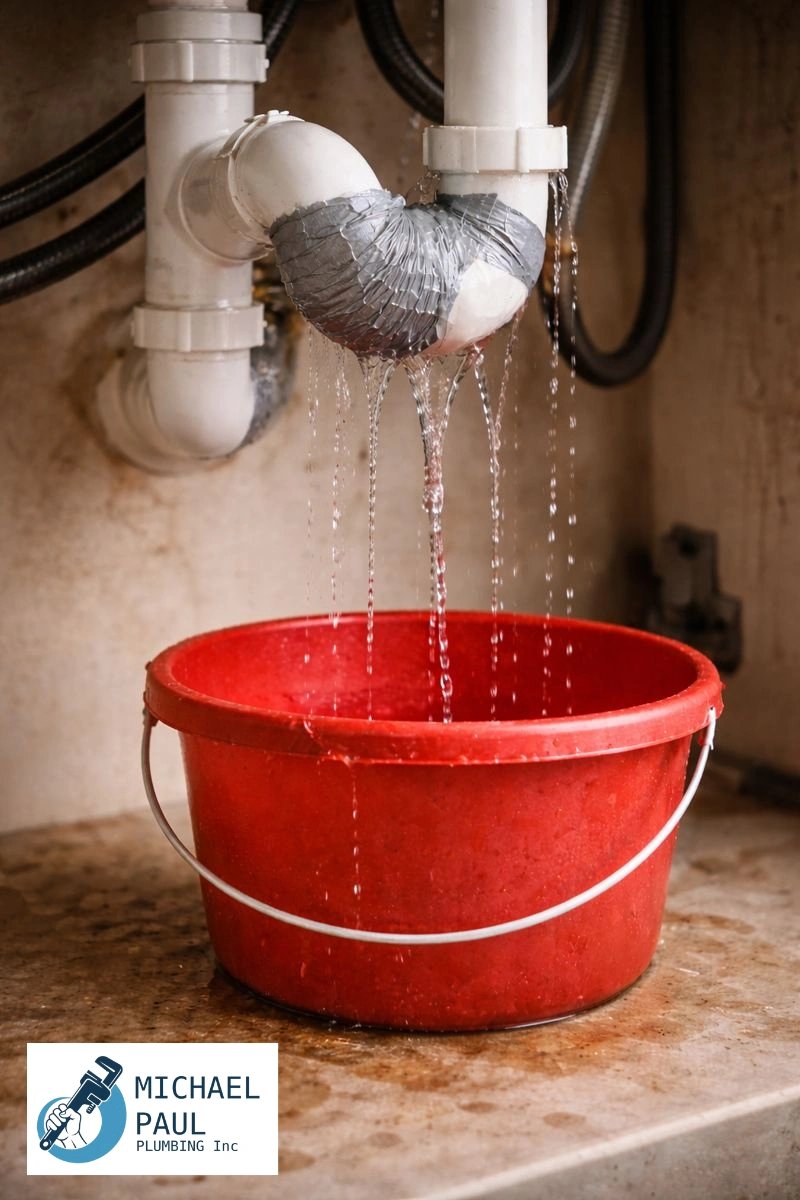
Whether it's a patch kit, some epoxy, or a bit of tape, these quick fixes can cost anywhere from $50 to $150. They’re appealing when you just want to stop a leak fast. But these solutions don't address the underlying problems like rusted pipes or faulty seals. Without fixing the root cause, these temporary fixes often fail, leading to bigger, more expensive repairs later on.
Investing in Permanent Repairs
Sure, a professional repair might cost more upfront, anywhere from $250 to over $1,000, depending on the situation. But by addressing the real problem, you can prevent future leaks and avoid emergency service fees. A licensed plumber will also check for other potential issues, saving you from future surprises.
Breaking Down the Costs
Think about it: if you use a $100 clamp to fix a leak, and it fails, requiring three $300 emergency calls, you've already spent over $1,000. Add in water damage or mold repair, and the costs skyrocket. It's easy to see how a little upfront savings can lead to big expenses later.
Want to make smarter repairs? Consider the lifetime costs, not just the immediate price tag. Ask yourself how often a quick fix will fail and what that will cost in the long run.
Temporary Fixes and Their Failures
Patches, Clamps, and Epoxy
Patches and clamps are popular temporary solutions. They stop leaks in the short term, but they might not bond well to wet or corroded surfaces. Temperature changes, pressure spikes, or simple wear and tear can cause these fixes to fail, often making the original problem worse.
Rubber Wraps and Sleeves
Rubber wraps can temporarily seal leaking joints or pipes. They’re easy to apply but don’t address the underlying issue. They can hide corrosion, making it harder for plumbers to diagnose and fix the real problem later.
DIY Shutoffs and Reroutes
Some folks try to reroute water with hoses or temporary valves. While clever, these solutions can violate codes or create hazards, especially around gas lines. They also make future repairs trickier and more expensive.
Hidden Costs: Water Damage, Mold, and More
Water Damage Costs
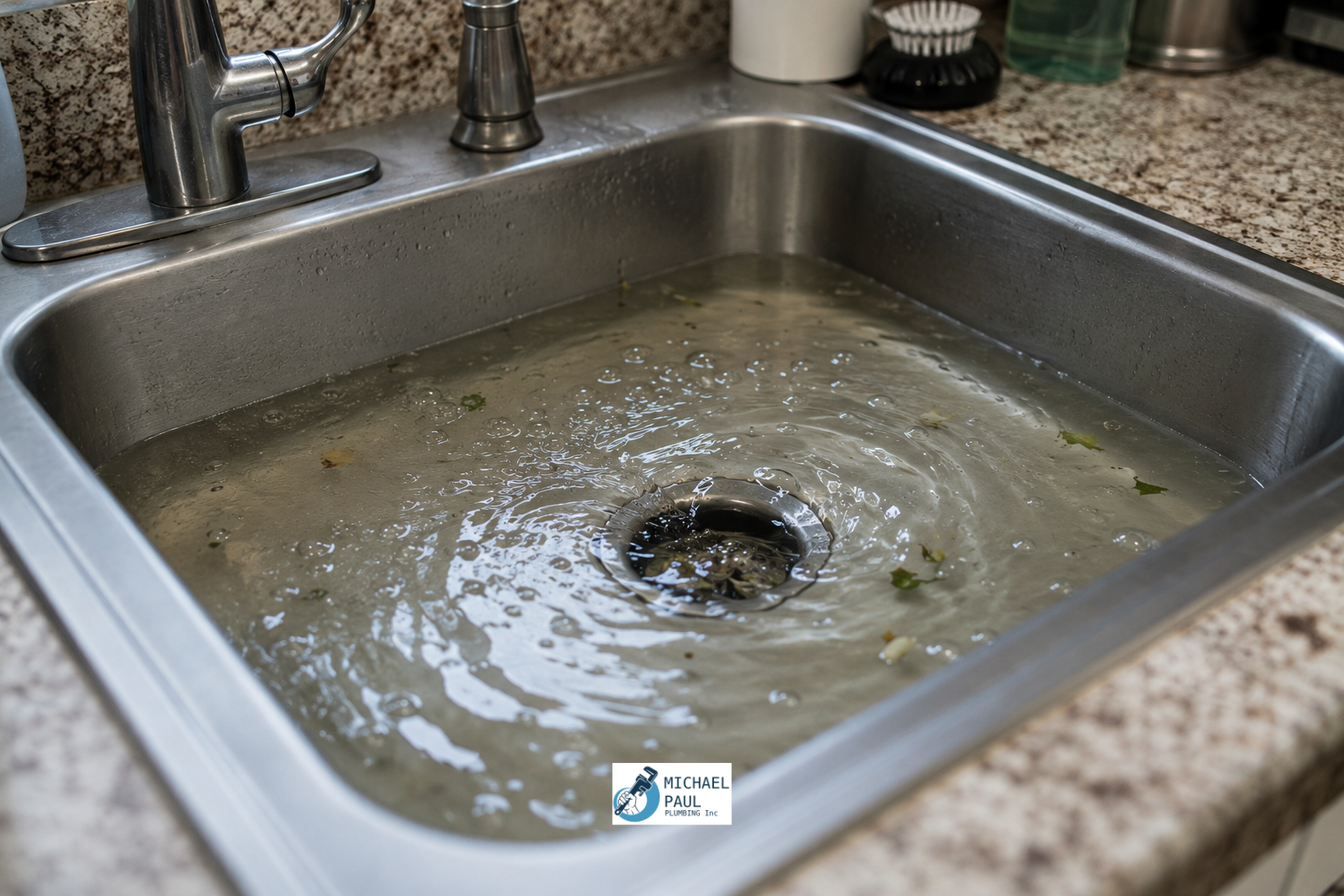
Leaks can cause expensive water damage over time. Even small leaks can soak into walls or floors, leading to costly repairs. This kind of damage requires drying, replacement, and possibly rebuilding parts of your home.
Because temporary fixes might let leaks continue unnoticed, you could end up with a much bigger problem later. That initial cheap fix can become a costly sunk cost.
Mold and Health Risks
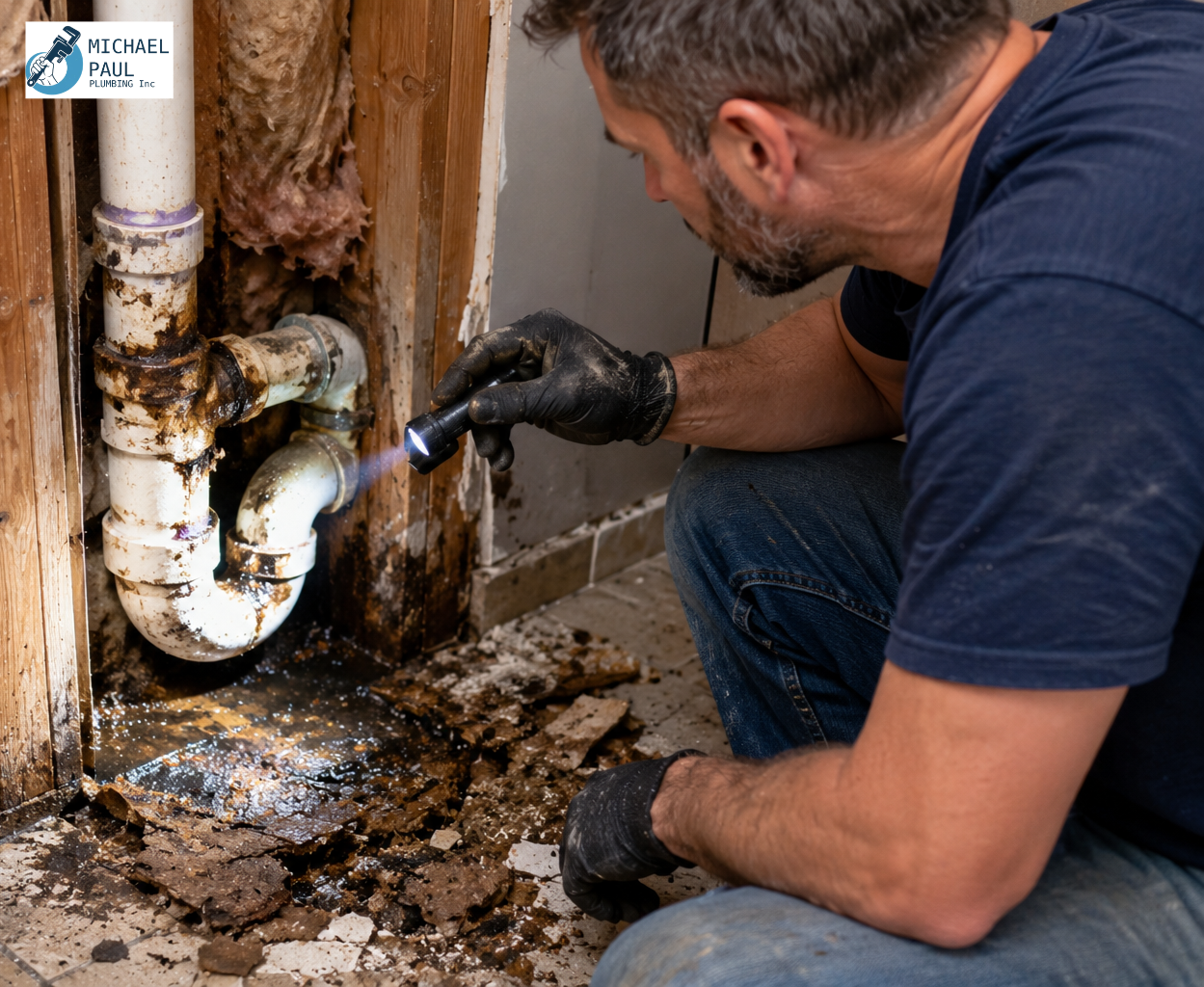
Leaks create perfect conditions for mold, which can affect indoor air quality and health. Mold remediation isn’t cheap, and it can add thousands to your repair bill. For more on mold and moisture control, check out the CDC’s mold resources.
Structural Risks
Unchecked leaks can weaken your home’s structure, especially if they occur under slabs or in crawlspaces. Fixing these problems can be very costly, so it’s better to catch and repair leaks early.
Avoiding Emergency Fees
Emergency Costs
Temporary fixes can escalate into emergencies. If a repair fails outside of regular hours, you’ll face higher service fees. Emergency plumbing calls can cost 1.5 to 2 times more than scheduled visits.
Schedule repairs during business hours to save money and ensure a thorough, lasting fix. A professional can diagnose the issue and recommend long-term solutions.
Insurance and Liability
Insurance might not cover damage if you repeatedly use temporary fixes. Documenting professional repairs can protect both your home and your insurance coverage. Unsure about the damage? Take photos and consult a licensed plumber.
Long-term Savings with Regular Maintenance
Routine Checks
Regular plumbing inspections can catch issues before they become emergencies. Routine checks can find corrosion, leaks, and pressure problems, preventing bigger issues down the line.
Thinking about maintenance? Our sump pump services and system checkups can spot vulnerabilities before they cause trouble.
Smart Upgrades
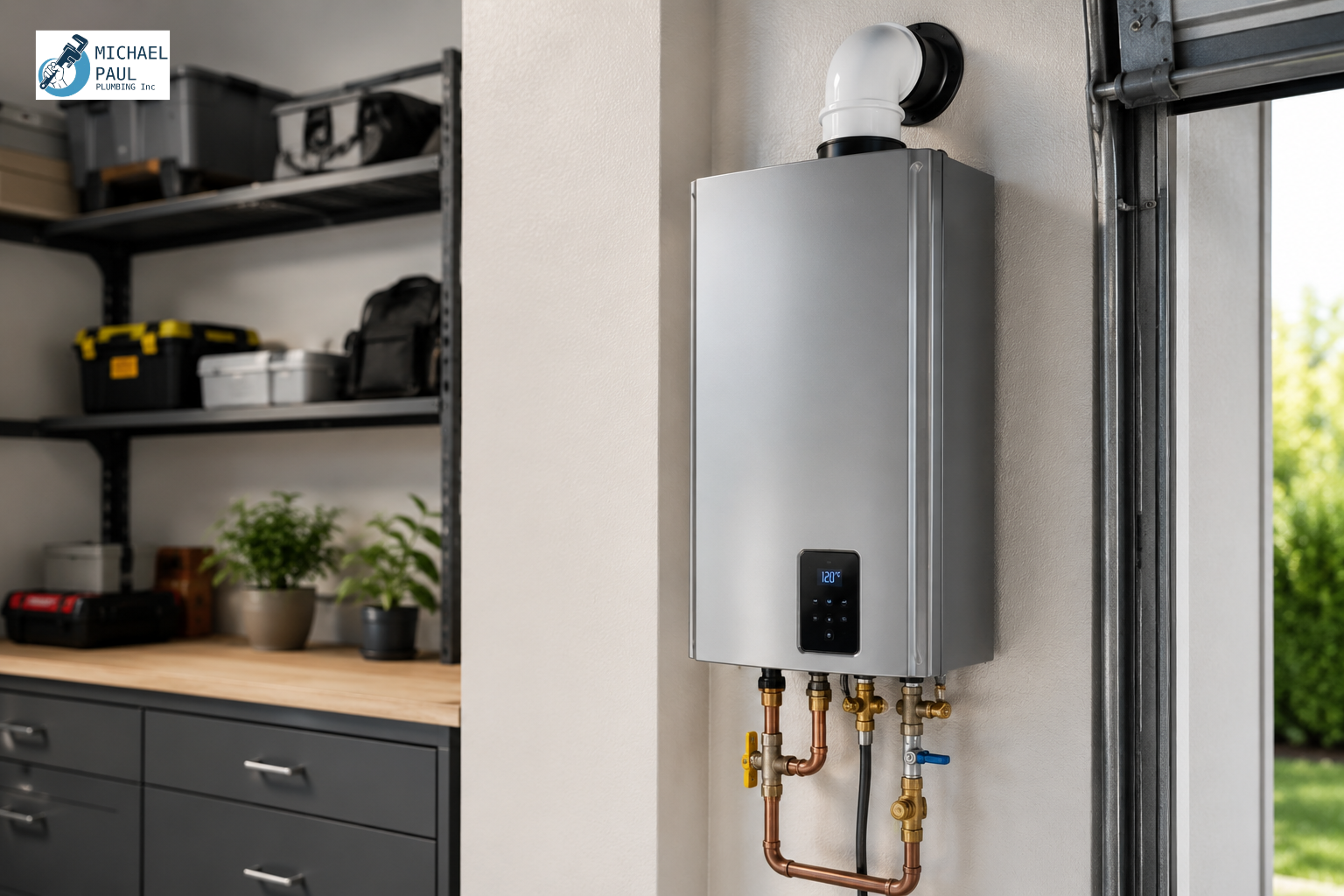
Smart technology like leak detectors or automatic shutoff valves can help prevent minor leaks from becoming major problems. These systems can alert you to changes in water flow or pressure.
For more on smart plumbing, check out our guide on smart plumbing solutions.
Steps to Take When You Find a Leak
Immediate Actions
If you find a leak, turn off the water to the fixture or main shutoff. Use towels to soak up water and place buckets under drips. Take photos and notes, then call a professional for a proper repair.
Decide on Emergency or Scheduled Service
If the leak is significant or dangerous, call for emergency service. For steady leaks, schedule a repair during business hours to avoid extra fees.
For big problems, consult specialized services. Our sewer and drain specialists are ready to help.
Real-Life Examples
Small Fix, Big Cost
A homeowner used a clamp to fix a slow leak, but a pressure change caused a pipe failure. The repair and water damage cost over $5,000, whereas a professional fix would have been around $300.
Deferred Maintenance Issues
A landlord used temporary fixes on old pipes, leading to widespread leaks and costly repairs. This highlights how delaying proper investment can multiply costs.
Conclusion
Temporary plumbing fixes might offer quick relief but often lead to higher costs due to repeated failures, water damage, and emergency fees. Spending more upfront for a permanent repair usually saves money and stress over time. Regular maintenance, smart upgrades, and professional help are key to avoiding costly surprises.
If you're dealing with a leak, don’t let a quick fix turn into an expensive problem. Contact Michael Paul Plumbing for a thorough assessment and lasting repair. We offer reliable solutions for both residential and commercial systems. Learn more about our services or schedule an inspection online.
Call us at +1 847 710 9333 or email info@localtrustedplumber.com. Check out our residential plumbing services for more info.
Protect your home and save money over time by scheduling a professional inspection today. Pick lasting solutions over temporary fixes.
For more on leak detection and repair, visit the EPA’s Fix a Leak Week and FEMA’s flood guidance.