Your Guide to Noisy Pipes: What They Mean and When to Call a Plumber in Arlington Heights
Hearing strange noises from your pipes can be a real head-scratcher, especially when they pop up out of nowhere. Whether it's banging, rattling, humming, or squealing, these sounds often hint at something going on behind the walls. Not every noise means you need to panic, but some do need a bit of attention. Let's dive into what these sounds could mean, the risks involved, and what you can do to keep your home safe.
If you're looking for reliable help, setting up some residential plumbing services can help figure out what's making your pipes noisy before it turns into a costly issue. Sometimes, it might just mean adding some insulation or tweaking the water pressure. Other times, it could be worn fittings, sediment buildup, or a valve that's on its last legs and needs a professional's touch. Knowing the difference can save you a lot of hassle.
Plumbing noise is a common gripe among homeowners because modern systems are built to move water quickly. But that efficiency can sometimes lead to vibrations, pressure changes, and expansion noise. The good news is that most pipe noises can be diagnosed with a good inspection. According to the U.S. Environmental Protection Agency, keeping an eye on household water pressure and leaks is crucial for plumbing performance. Routine checks can help spot issues early.
Why Pipes Make Noise
Pressure Changes in the System
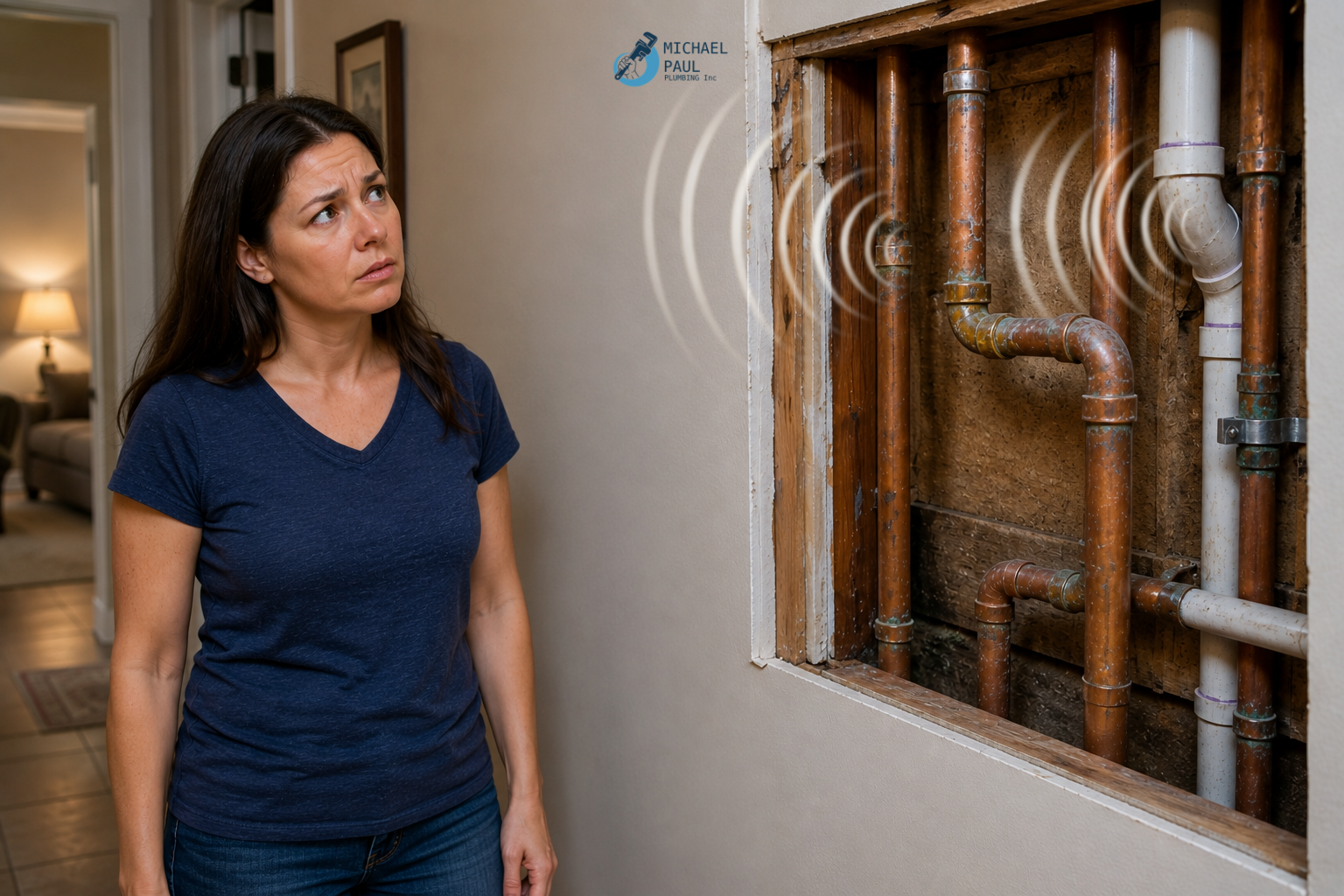
Pipes make noise because water moves through a network of lines, valves, and fixtures. When pressure changes quickly, it can cause vibrations or movement that echo through walls and floors. So, a noise in one room might actually be coming from somewhere else. Often, it's not structural damage but a mechanical hiccup causing the extra movement.
High pressure is often behind noisy pipes. When water pressure climbs too high, it can make pipes hum, vibrate, or even shake. Over time, this stress can wear out parts of the plumbing. If you think pressure might be the issue, a plumber can test it and suggest pressure regulation before it leads to bigger problems. For more on how to handle plumbing throughout the year, check out our seasonal plumbing guide.
Movement, Vibration, and Loose Connections
Loose fittings can also cause rattling or clunking sounds. When water rushes through a pipe, even a small wobble can make a repetitive noise, especially if the pipe isn't securely attached to a joist or wall stud. In older homes, settling, past repairs, and wear can all add to this problem. It might seem harmless at first, but ongoing vibration can loosen more components and lead to leaks.
Often, a simple adjustment can make a big difference. A professional might secure the pipe, add cushioning, or replace worn hardware so the line doesn't vibrate against surrounding materials. This is why regular inspections are important. They don't just prevent emergencies; they also extend the life of the plumbing system. If you're considering upgrades, our remodeling plumbing services can help ensure everything is installed with stable, quiet support.
Common Noises and What They Mean
Banging or Thudding: Water Hammer
Water hammer is a well-known cause of noisy pipes. It occurs when flowing water is suddenly stopped, like when a washing machine valve or faucet closes quickly. This abrupt stop creates a shockwave, sending a banging sound through the pipe. It can be loud enough to sound like a hammer striking the wall, and repeated occurrences stress joints and connections.
In many homes, water hammer can be reduced by installing arrestors, checking valve operation, or adjusting water pressure. This issue is common, especially in homes with older plumbing or fast-closing fixtures. For more on signs of system stress, our pipe replacement signs article is useful for spotting patterns that shouldn't be ignored.
Rattling or Clunking: Loose Pipe Supports or Fittings
Rattling and clunking often mean a pipe isn't properly secured. When water moves, the pipe can bounce slightly, especially at bends or near loose straps. The noise might come and go, making it tricky to pinpoint. You might hear it only when a particular faucet runs or when appliances cycle on and off.
This noise is important to address because vibration can lead to damage over time. Even if there's no leak now, repeated movement can loosen joints or wear through insulation. If the sound becomes frequent or spreads to multiple fixtures, it's time for an evaluation. In larger homes, a detailed inspection from our commercial plumbing services team can also help properties with complex supply lines and high usage.
Humming or Vibrating: Excessive Water Pressure
A humming pipe often signals high water pressure or a valve vibrating under strain. Homeowners sometimes mistake this for an appliance issue when it's actually from a supply line. High pressure can also accelerate wear on hoses, faucets, and water heaters. Ignoring it can lead to leaks or fixture failures.
The International Association of Plumbing and Mechanical Officials stresses the importance of safe plumbing design and pressure control. While every home is different, managing pressure supports reliability and safety.
Clicking or Tapping: Sediment Buildup
Clicking or tapping might mean mineral scale or sediment inside the line, especially in areas with hard water or older heaters. As water moves past deposits, it can create small impact sounds from inside the wall. This may also affect hot water lines if sediment has built up in a heater or connected piping, leading to reduced flow and uneven delivery.
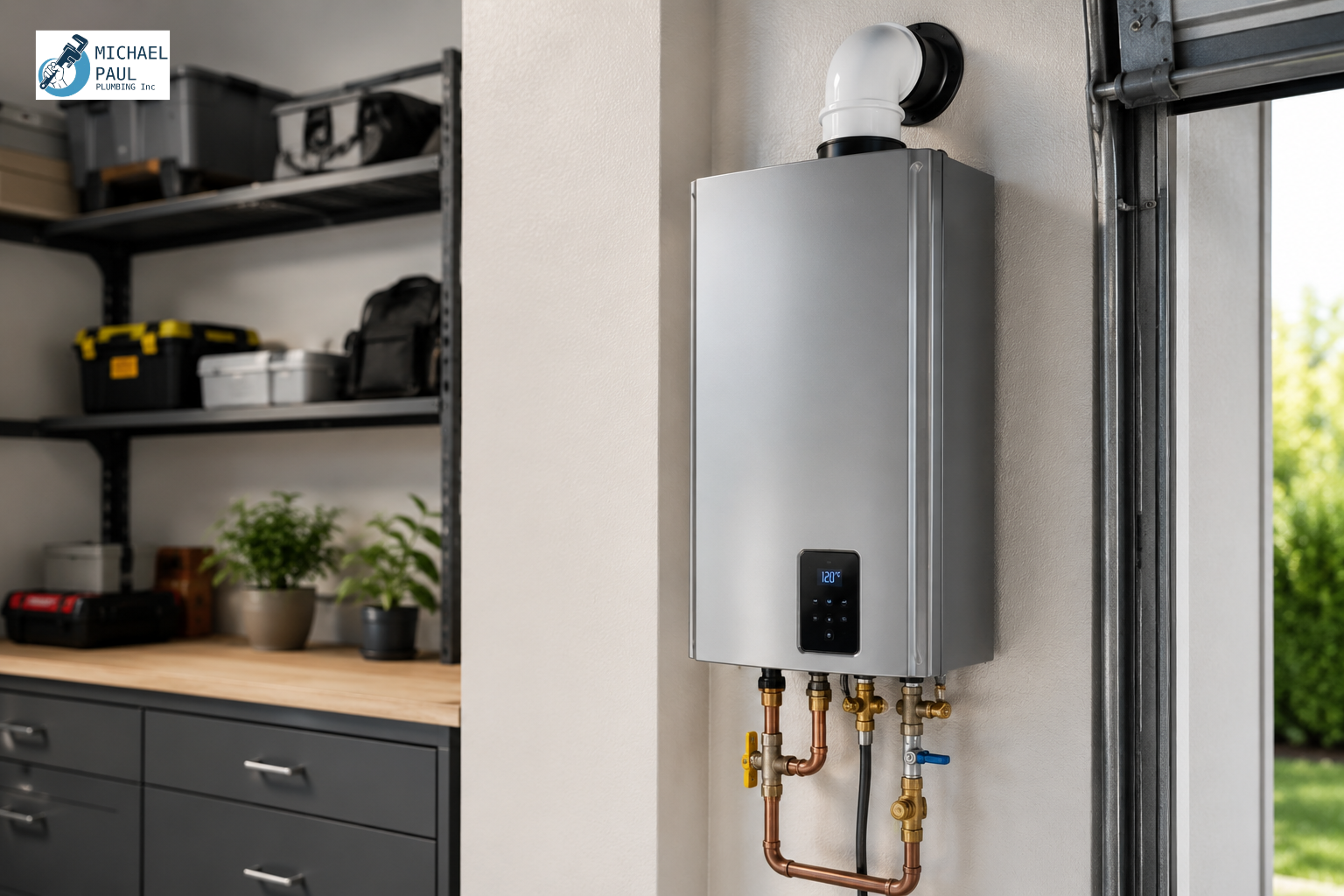
Sediment often builds up gradually, so many homeowners don't notice until the noise is constant. Preventive maintenance is your best bet. Flushing a water heater, inspecting fixtures, and checking for flow issues can help identify buildup early. If your hot water system is acting up, our water heater services can check if the sound is tied to the heater or another part of the plumbing.
Whistling or Squealing: Air in the Pipes or Worn Washers
Whistling suggests water is passing through a narrow opening, like a partially closed valve, worn washer, or constricted fixture. Air in the pipes can also cause odd sounds, especially after a system drain or repair. These noises are annoying but can indicate a part is wearing out.
If noise only happens at one fixture, the problem might be isolated and easy to fix. If it occurs all over, there could be a broader pressure or airflow issue. A professional inspection can quickly narrow it down. If you have recurring drain issues, our drain maintenance guide explains how flow problems can overlap with noise complaints.
When Noisy Pipes Are Harmless and When They're Not
Temporary Sounds That Might Not Signal Danger
Some pipe noises are temporary and don't mean serious damage. A brief pop or click might happen when pipes expand slightly with temperature changes, especially in cold weather. A short noise after turning on a fixture might also be normal if water was sitting idle. These sounds are worth noting, but aren't always emergencies.
Still, even harmless noises can become warning signals if they grow louder, happen more often, or appear in multiple places. The key is to look for changes. A sound that was rare last winter but now happens daily needs a closer look. In plumbing, trends matter more than isolated events because persistent change often means wear, pressure, or movement is increasing.
Warning Signs That Need Attention
Be more concerned if noisy pipes come with reduced water pressure, leaking fixtures, rusty water, repeated valve failures, or visible pipe movement. These can suggest a developing issue that might worsen quickly. For example, a humming line with poor water pressure might point to a pressure regulator problem, while banging and leaks could mean damaged joints.
Homeowners should also be alert to noises after every appliance cycle or when multiple fixtures run at once. That pattern can indicate a system-wide pressure or support issue. If you think the problem is more than a loose pipe strap, professional help is the safest next step. A thorough inspection can prevent hidden damage and avoid costly surprises.
How Pros Diagnose Noisy Pipes
Listening, Tracing, and Testing
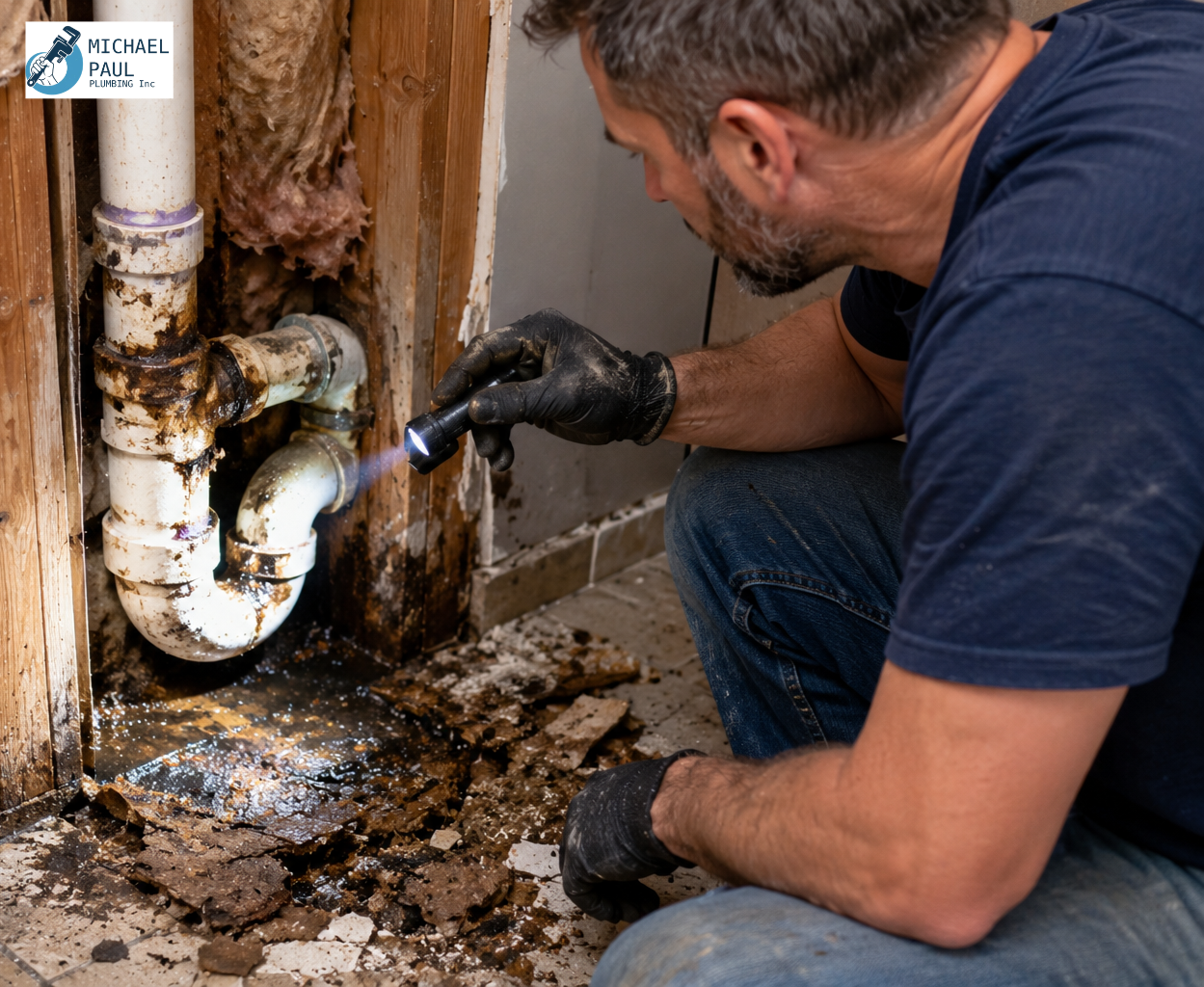
Diagnosing noisy pipes starts with careful observation. A plumber will usually listen for the type of noise, identify when it occurs, and trace it to a specific fixture, line, or appliance. They might also test pressure, check visible piping, and inspect valves or arrestors. Often, the source isn't where the noise is loudest, which is why experience counts.
Modern tools make this process more efficient. Pressure gauges, thermal tools, and inspection techniques help plumbers pinpoint the cause without unnecessary disruption. For general plumbing support, our residential plumbing services can determine whether noise stems from pressure, supports, or worn parts. This is especially helpful when the same sound pops up in different parts of the home.
Considering Age and Material of Piping
The age and material of the plumbing can affect both noise and the likely fix. Older metal pipes might transmit sound more easily and be more prone to vibration, while newer systems might be quieter but still have pressure issues. Understanding the pipe material helps a plumber figure out if the issue is mechanical, structural, or related to expansion.
This is why one-size-fits-all advice rarely works. A solution that fits one home might not work in another. If your plumbing is older or has been modified, consider pairing a noisy-pipe inspection with our pipe material guide to understand how your system is built and where vulnerabilities might exist.
Practical Ways to Reduce Pipe Noise
Install or Adjust Pressure Regulation
If your water pressure is too high, installing a pressure-reducing valve or adjusting the current setup can significantly reduce noise. Pressure control is one of the best ways to prevent future damage because it lowers stress across the entire system. It can also extend the life of faucets, toilets, hoses, and water heaters. Since pressure issues often cause multiple symptoms, fixing the root cause is usually better than chasing individual noises.
In many homes, the ideal solution isn't to silence one pipe but to rebalance the system. That approach protects your plumbing investment and helps avoid repeated service calls. To keep water equipment working efficiently after a repair, continue routine inspections and stay alert for changes in fixture performance or sound levels.
Add Insulation and Secure Loose Lines
Pipe insulation can reduce noise caused by temperature shifts and help prevent groaning from expansion. It's especially useful in colder climates where seasonal changes cause pipes to contract and expand more noticeably. Proper insulation can also stabilize the line and reduce sound transfer through framing materials. Combined with secure mounting, it can make a big difference in overall comfort.
For homes with colder basements, crawl spaces, or exposed pipe runs, insulation is often a practical upgrade. In Arlington Heights, winter temperatures can be harsh, making this step particularly useful. Homeowners in areas like Heritage Park often benefit from seasonal attention to exposed plumbing before the coldest months hit.
Flush Buildup and Maintain Appliances
When sediment is part of the problem, flushing the water heater and checking fixtures for buildup can help restore quieter operation. Regular maintenance is key because buildup develops slowly, and the first warning sign might be a tapping sound or a drop in performance. Keeping an eye on your water heater, faucets, and supply lines can help catch problems early.
If you notice noise along with water temperature issues, discolored water, or uneven pressure, the problem might be deeper than sediment. A complete inspection can determine if flushing is enough or if part replacement is needed. If hot water performance is a concern, review our water heater selection guide for more insight into long-term care.
Real-World Example: Cold Weather and Noisy Pipes
A Case from the Area
Here's a real-world example from Lemont, Illinois, where homeowners reported groaning and creaking noises during colder months. Temperature fluctuations caused pipes to expand and contract, making noise as they moved against framing materials. The issue was resolved by installing pipe insulation, which reduced movement and improved comfort. This shows how seasonal conditions can magnify minor plumbing issues.
This lesson is relevant for homeowners in northern Illinois, where winter can intensify plumbing weaknesses. Even well-installed lines might become noisy when temperatures drop and materials shift. If your home is in a similar climate, view noise as part of seasonal maintenance rather than an isolated annoyance. A proactive approach is often cheaper than a reactive one.
Why the Same Issue Looks Different in Different Homes
Two homes can have the same noise but different causes. One might have loose straps, another might have a pressure issue, and a third might be dealing with sediment. This is why diagnosis should be based on the whole system, not just the sound. The home's age, pipe material, fixture type, and recent repairs all matter.
That complexity is why homeowners sometimes misjudge the seriousness of noisy pipes. A sound that seems small might be a sign of a bigger issue, while a loud bang might be easy to fix. Working with a knowledgeable plumber helps separate real risk from regular system behavior. It also provides a practical maintenance plan instead of guesswork.
FAQs About Noisy Pipes
Are Noisy Pipes Always a Sign of Trouble?
Not always. Some noises come from normal expansion, brief pressure changes, or fixture operation. But repeating noises shouldn't be ignored, especially if they get louder, happen more often, or come with leaks or pressure loss. The safest bet is to monitor the pattern and have the system checked if the noise sticks around.
Can I Fix Noisy Pipes Myself?
Some minor issues can be tackled by homeowners, like checking if a valve is partially closed or ensuring exposed pipes are supported. But if the noise is linked to pressure, hidden pipe movement, or sediment, professional service is usually better. The wrong fix can make things worse or hide a more serious issue.
What Should I Do if My Pipes Suddenly Start Banging?
First, identify which fixture or appliance triggers the sound. If the noise happens when a valve closes quickly, it might be water hammer. If you notice leaks or repeated banging, call a plumber to inspect the system. For urgent situations, our plumbing emergencies guide explains how to respond safely while waiting for help.
How Can I Prevent Noisy Pipes in the Future?
Preventive care is the best strategy. Schedule routine inspections, monitor pressure, keep fixtures in good condition, insulate exposed lines, and address small noises early. If your system is older, seasonal maintenance is even more important, as temperature changes and aging components can lead to more frequent sound problems. Consistent attention usually costs less than repairing damage after a failure.
When to Call Michael Paul Plumbing
Persistent Noise Needs a Pro's Opinion
If your pipes keep making noise despite basic troubleshooting, it's time for a professional evaluation. Persistent sounds can indicate hidden wear, mounting issues, or pressure problems that are tough to confirm without the right tools. A plumber can find the root cause and recommend a targeted fix, saving time and helping protect your plumbing's health.
For homeowners seeking reliable support, Michael Paul Plumbing offers experienced service backed by local knowledge and a practical approach. Whether it's a single banging line or a system-wide issue, a careful inspection can reveal what's happening and what to do next. Explore our sump pump installation and repair, and sewer rodding and repair options if noisy pipes are part of a larger drainage or water-management concern.
Act Before Small Sounds Become Big Repairs
Noisy pipes shouldn't be ignored for long. Even if the sound isn't an emergency, it often indicates that your plumbing needs attention. Acting early can prevent leaks, fixture damage, pressure-related wear, and unnecessary repair costs. The sooner the root cause is found, the easier it usually is to solve.
If you're worried about banging, humming, rattling, or whistling pipes, contact Michael Paul Plumbing for an inspection and practical solution. Our team can help determine whether the sound is harmless, seasonal, or a warning sign of a deeper issue. Call +1 847 710 9333 or email info@localtrustedplumber.com to schedule service and bring quiet, reliable performance back to your plumbing system.
Need help now? Explore our full range of plumbing support, from routine repairs to preventive maintenance, and let our team help you protect your home with confidence.