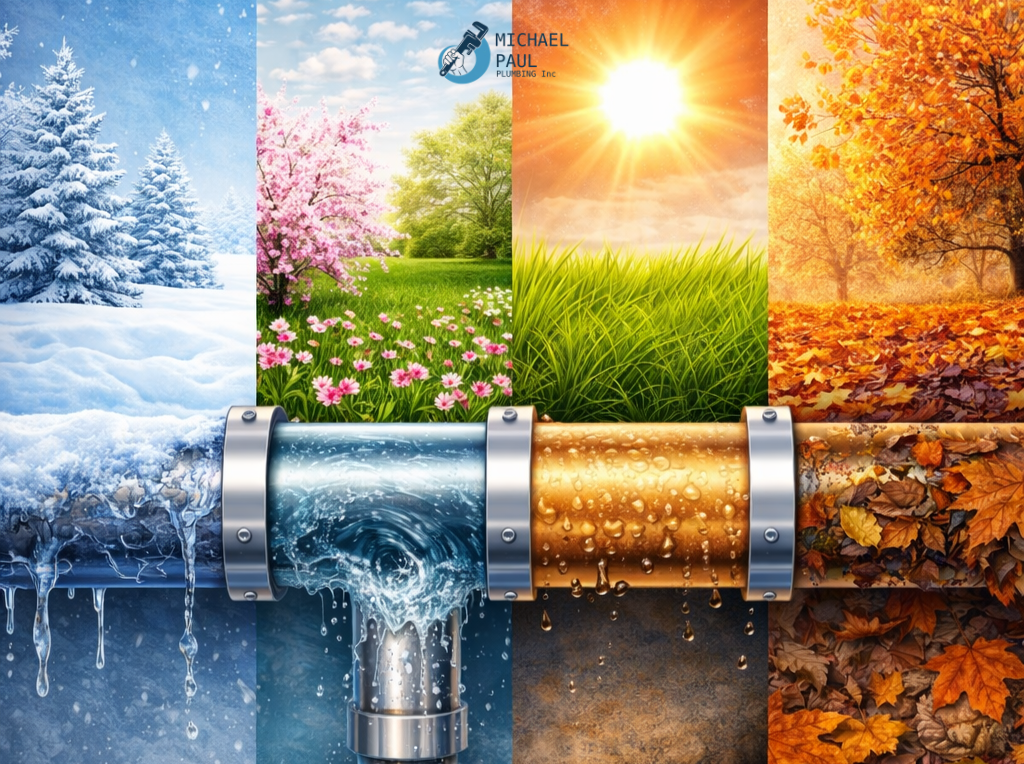
Changing seasons can really mess with your plumbing if you're not ready for them. From pipes freezing in winter to drains getting overloaded in spring, each season brings its own set of challenges that can lead to leaks, backups, and expensive fixes. But don't worry, a little prep work can help a lot. Pair regular maintenance with help from services like residential plumbing services and inspections to keep surprises at bay. Knowing what each season brings is smart for avoiding unexpected plumbing issues.
Your plumbing is made to handle daily use, but it doesn't like big temperature changes, moisture, or extra demand. The U.S. Environmental Protection Agency says household leaks can waste a lot of water, making early detection key for saving both water and money. Check out the EPA WaterSense program for tips on keeping your system running efficiently year-round. Next, let's see what happens each season and how you can stop small issues from turning into big headaches.
Why seasonal changes affect plumbing so much
Temperature shifts create expansion and contraction
As temperatures rise and fall, pipes expand and contract. Over time, this movement can loosen joints, stress seals, and reveal weak spots, especially in older pipes. Cold weather makes things worse because water inside pipes can freeze and expand, causing cracks or bursts. This is why getting ready for winter is crucial for exposed lines, crawl spaces, basements, and garages.
Moisture and weather patterns change drainage demands
Seasonal moisture affects how your drains and sewer lines work. Heavy rain can overwhelm gutters, downspouts, and sump systems, while the spring thaw can move soil and affect buried lines. If your home already has slow drains, consider options like sewer rodding and repair before wet weather hits. Even minor flow restrictions can become bigger issues when the ground gets saturated.
Usage patterns rise and fall throughout the year.
Households often use more water in summer for lawns and outdoor cleaning, then switch to more indoor plumbing in colder months. This shifting demand affects water pressure and the water heater. If your system is older, a busy season can expose problems more quickly, which is why planning is better than emergency fixes.
Winter plumbing risks and how to prevent them
Frozen pipes are the biggest seasonal threat
Winter's biggest plumbing danger is frozen pipes. When water freezes, it expands, increasing pressure inside the pipe until it bursts. Pipes in unheated areas like attics, exterior walls, basements, and garages are especially at risk. To prevent this, insulate vulnerable pipes, seal air leaks, and keep indoor heat consistent even when you're away. If you're unsure of weak spots, a professional inspection can really help.
Heating tape and insulation add an important layer of defense.
Pipe insulation is useful, but in very cold places, it might not be enough. Heating tape can provide extra protection, but it should be installed following the manufacturer's directions. Homeowners should also know where the main shutoff valve is so they can act fast if a pipe freezes. The Ready.gov winter weather guide offers good advice for planning home plumbing safety.
Water heater care matters more in winter.
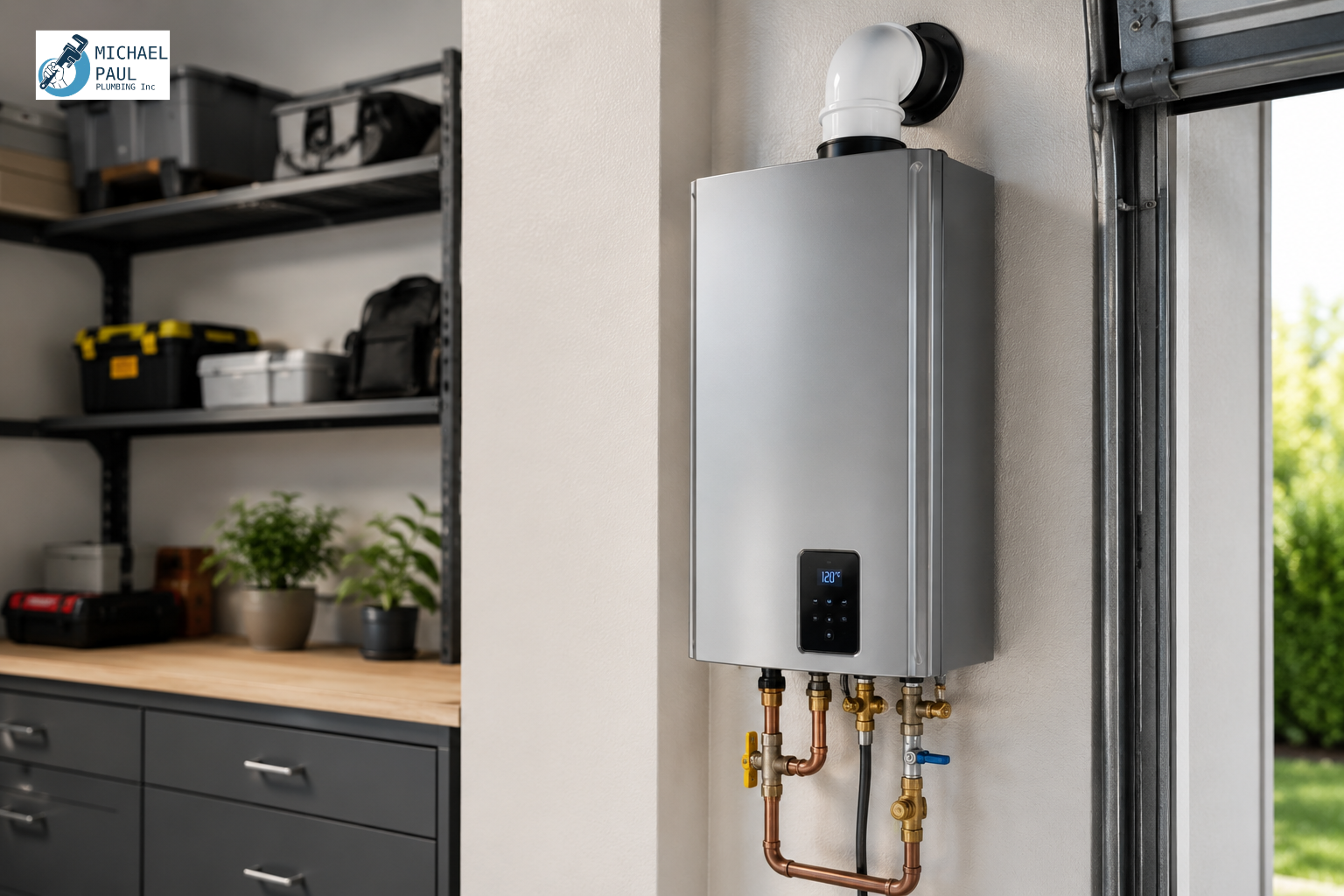
Cold weather increases demand on water heaters because incoming water is colder, making the system work harder to produce hot water. Sediment buildup and poor insulation can reduce performance when you need hot water the most. Scheduling water heater services before winter ensures efficient operation and fewer breakdowns during peak demand. If you're considering an upgrade, now's a good time to think about capacity, efficiency, and system age.
Spring drainage problems and flooding concerns
Rainfall and snowmelt can overwhelm drainage systems
Spring brings rain and melting snow that puts extra pressure on drainage systems. Gutters full of leaves, clogged downspouts, and blocked yard drains can push water toward the foundation instead of away from the home, leading to basement moisture, mold, and even structural damage. A quick cleanup can prevent these problems before they start.
Sump pumps become critical during wet weather.
Homes with basements should focus on sump pump performance in spring. If the pump fails during a storm, water can back up fast and cause expensive damage quickly. Test your sump pump, clear the pit of debris, and make sure the discharge line is working right. For extra protection, consider sump pump installation and repair, and battery backup systems so the pump can still run during outages.
Sewer line checks help prevent backups.
Spring is also a smart time to check sewer lines for tree root intrusion or damage from shifting soil. Sewer problems are often hidden until rainfall increases water movement through the system. If drains start gurgling or toilets flush slowly, a sewer line inspection may be needed soon. Homeowners can learn more about proper maintenance through the EPA’s groundwater and water infrastructure resources, which highlight the importance of protecting water systems.
Summer plumbing challenges and high water use
Outdoor fixtures work harder in warm months
Summer increases demand on outdoor faucets, irrigation systems, hose bibs, and pool-related plumbing. These fixtures can loosen or leak faster with heavy use. It's wise to inspect outdoor plumbing before the hottest part of the season to catch cracks, drips, and poor water pressure early. Even a small leak can waste a surprising amount of water over a long summer.
Kitchen and bathroom drains can slow down.
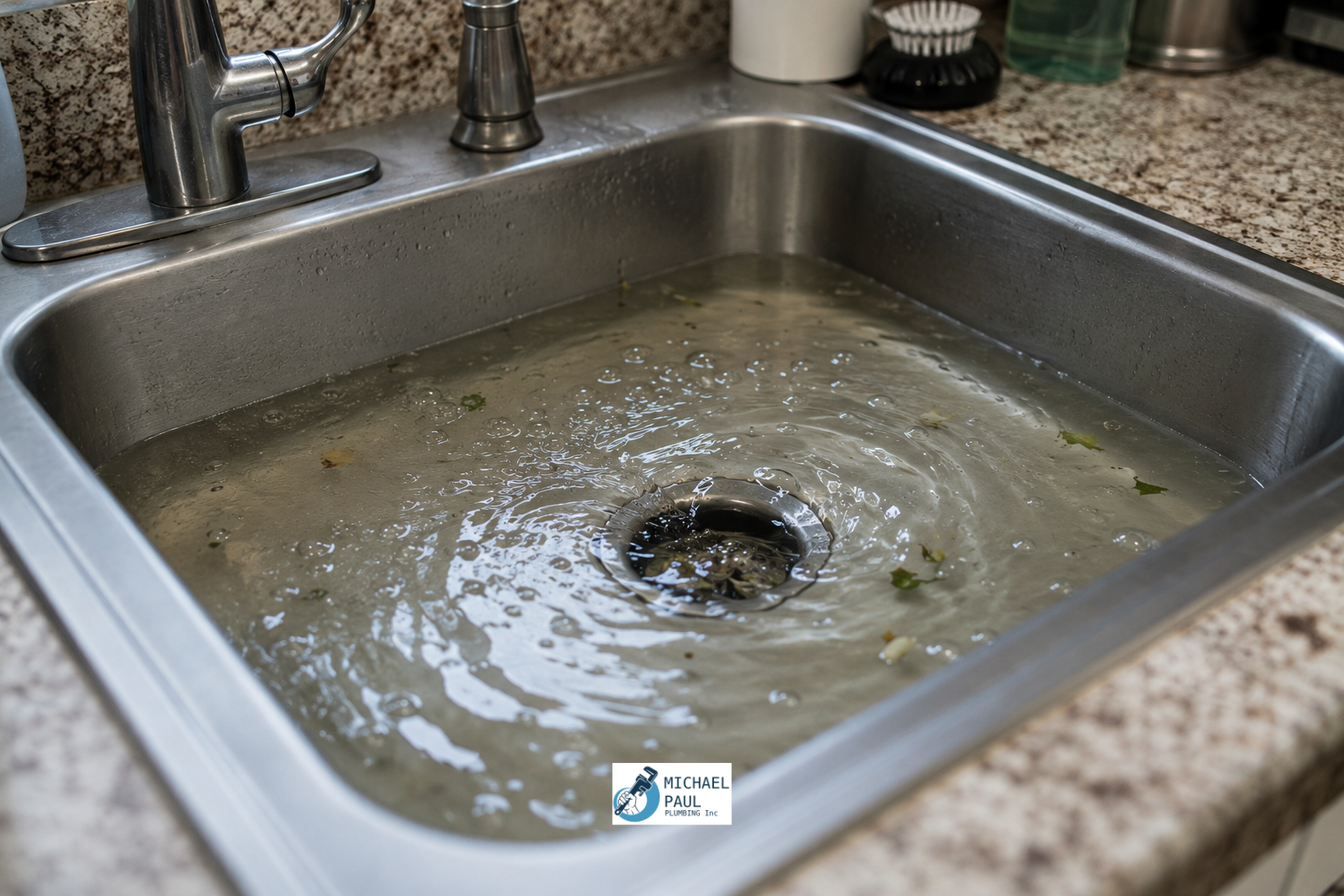
More family activity, guests, and cooking can strain indoor drains during summer. Grease, food scraps, and soap residue can build up quickly, especially in busy households. If you notice clogs or slow drainage, professional garbage disposal services and routine drain care can reduce the chance of a bigger blockage. Summer is a great time to tackle minor drainage concerns before the holiday and back-to-school seasons.
Water heater efficiency should still be monitored.
Even though hot water use might be lighter in summer, the system still needs attention. Sediment buildup, corrosion, and worn parts don't stop when it's warm. A mid-year maintenance check helps extend your equipment's lifespan and keeps it ready for colder months. If your unit is old or inconsistent, this could be the right time to consider replacement options with a trusted plumber.
Fall preparation: the smartest season for prevention
Insulate pipes before the first freeze
Fall is the perfect time to get your plumbing ready for winter because the weather's still manageable and appointments are easier to schedule. Start by insulating exposed pipes, disconnecting outdoor hoses, and draining exterior lines. Faucet covers can also protect outdoor spigots from freezing. If your home has older plumbing or draft-prone areas, a seasonal tune-up can reveal vulnerabilities before winter emergencies hit.
Check shutoff points and emergency readiness.
Every homeowner should know how to shut off water quickly in case of a leak or burst pipe. Fall is a good time to test valves and make sure they turn freely. It's also smart to review emergency contacts and schedule any repairs that were postponed. If you're remodeling or adding onto your home, remodeling plumbing services and additions plumbing services can ensure new work is ready for seasonal stress from the start.
Seasonal maintenance helps avoid emergency calls.
Many plumbing emergencies are just maintenance issues that were overlooked. Fall service visits let plumbers spot worn hoses, hidden leaks, aging water heaters, and drainage concerns before winter makes them worse. This approach is especially useful for older homes, where seasonal wear can expose weak joints or outdated materials. Homeowners who invest in fall prep usually spend less than those who wait for a mid-winter failure.
Real-world example: why local weather matters
Cold winters and heavy rain create a challenging cycle.
In places with cold winters and wet springs, like Arlington Heights, plumbing systems face a full year of pressure. Freezing temperatures threaten exposed lines, while seasonal rain strains drainage and sewer systems. Homeowners who combine insulation, gutter care, and sump pump planning tend to see fewer emergency repairs. That's why planning works better than reacting to each season separately.
Routine inspections are important.
Professional plumbing organizations recommend regular inspections, leak checks, and water heater maintenance to prevent failures. According to the International Plumbing & Water Sustainability Council, responsible water system care supports safety and efficiency. For homeowners, that means testing fixtures, checking toilets, watching for hidden drips, and staying ahead of the weather instead of behind it. A reliable plumbing plan should be built on regular care, not guesswork.
Practical seasonal plumbing checklist
What to do each year
- Insulate exposed pipes before winter.
- Test sump pumps before spring storms.
- Clean gutters and downspouts at least twice a year.
- Inspect outdoor faucets and hose connections in summer and fall.
- Schedule water heater maintenance annually.
- Watch for slow drains, leaks, or unusual noises year-round.
When to call a professional
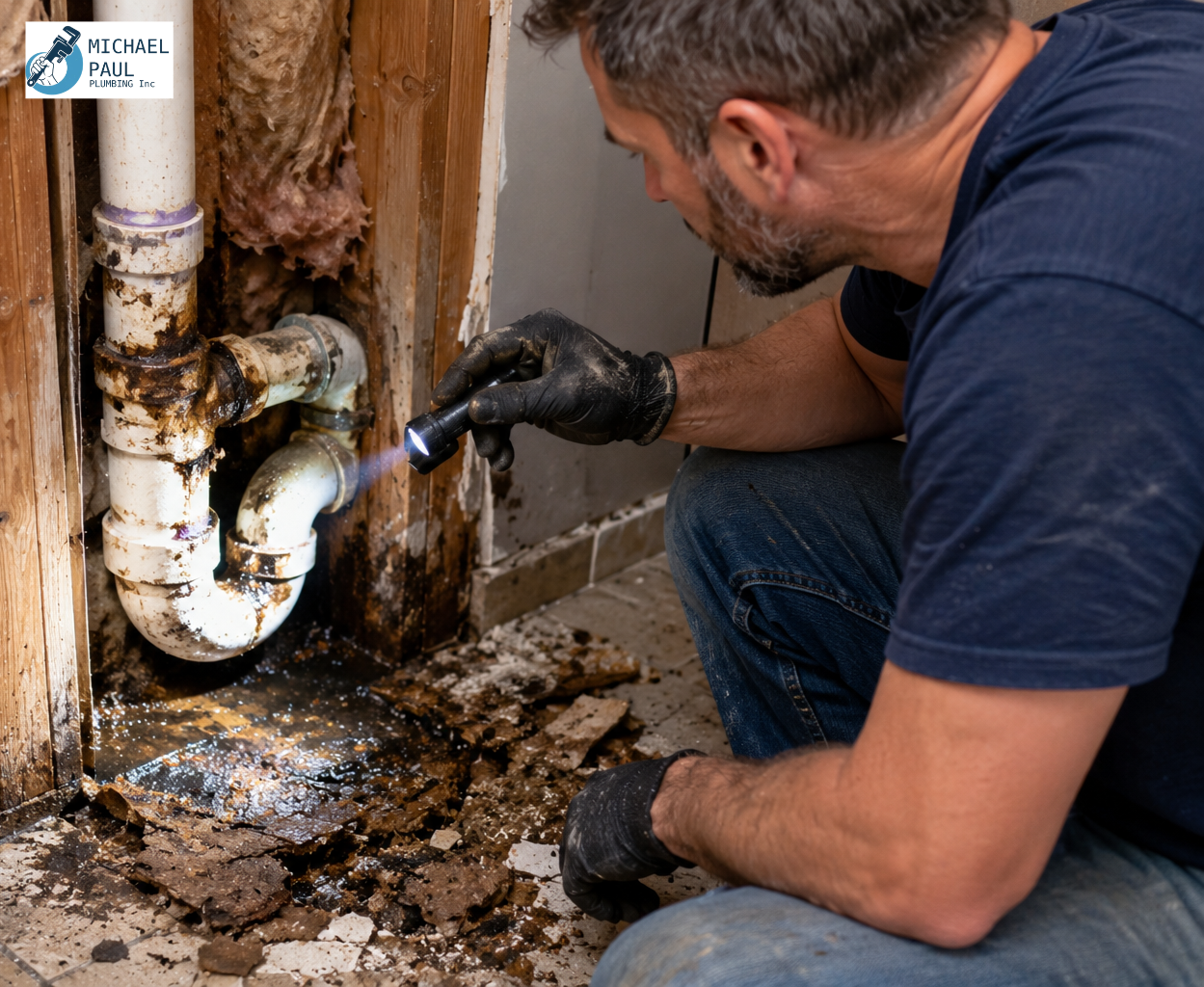
If you notice recurring clogs, fluctuating water pressure, visible corrosion, or unexplained moisture near walls and floors, call in a professional. Acting fast can prevent a small problem from turning into a major repair. Michael Paul Plumbing offers dependable support through commercial plumbing services for businesses and tailored solutions for homeowners needing seasonal maintenance. If a seasonal issue has already become a backup or leak, getting help quickly is the best way to protect your property.
Conclusion: Stay ahead of the seasons
Seasons affect plumbing in predictable ways, but the damage is often preventable. Winter freezing, spring flooding, summer demand, and fall prep each need a different strategy, but the goal is the same: keep your plumbing reliable and your home safe. By insulating pipes, maintaining drains, checking water heaters, and testing sump pumps, you can dodge many common emergency calls.
If you need help preparing your system for the months ahead, Michael Paul Plumbing is ready to assist with seasonal inspections, repairs, and preventive maintenance. Call +1 847 710 9333 or visit localtrustedplumber.com to schedule service and keep your plumbing in peak condition all year long.