How to Choose the Right Water Heater for Your Home
Picking the right water heater can really impact your comfort, save on energy costs, and offer reliability for years to come. In this guide, we'll dive into the latest trends, how to size your heater right, understand efficiency ratings, explore technology options, and cover installation and maintenance tips. Whether you're replacing an old unit or planning a new setup, you'll find clear steps and resources to make an informed decision. If you need expert help, our water heater services team at Michael Paul Plumbing can assess your home and suggest the best solution.
Understanding Current Water Heater Trends
1. Energy Efficiency and Sustainability
Energy efficiency is a big deal in water heaters these days. New tech like heat pump water heaters (HPWHs) can be 300% to 400% efficient, meaning they give back three to four times the heat energy they use. This leads to lower bills and fewer greenhouse gases. Plus, you might get rebates or incentives, depending on where you live. Check out Energy Star for guidance on efficiency standards and product comparisons.
As more people focus on sustainability, they look for hybrid systems that combine heat pumps with electric or gas backups. More manufacturers are also making models compatible with renewable energy sources, like solar panels.
2. Smart Technology Integration
These days, smart features are a hit with modern water heaters. Wi-Fi connectivity, remote controls through apps, usage reports, and maintenance alerts help you manage your water heater better. These features can help you save on utility rates by scheduling lower temperatures during off-peak hours and integrating with home energy management systems.
When looking at smart-enabled units, see if the manufacturer offers long-term software support, easy updates, and compatibility with other smart home gadgets. This ensures your smart features stay useful over the years.
3. Renewable Energy and Hybrid Systems
Solar water heaters and hybrid systems, like pairing a heat pump with rooftop solar, are becoming popular. They cut down on grid demand and carbon footprints while boosting energy independence.
Before choosing a renewable-integrated system, consider your local climate, roof orientation for solar panels, and any rebates or incentives that could make the investment worthwhile. Federal and state programs often change, so check what's available before you commit.
Types of Water Heaters: Pros, Cons, and Best Uses
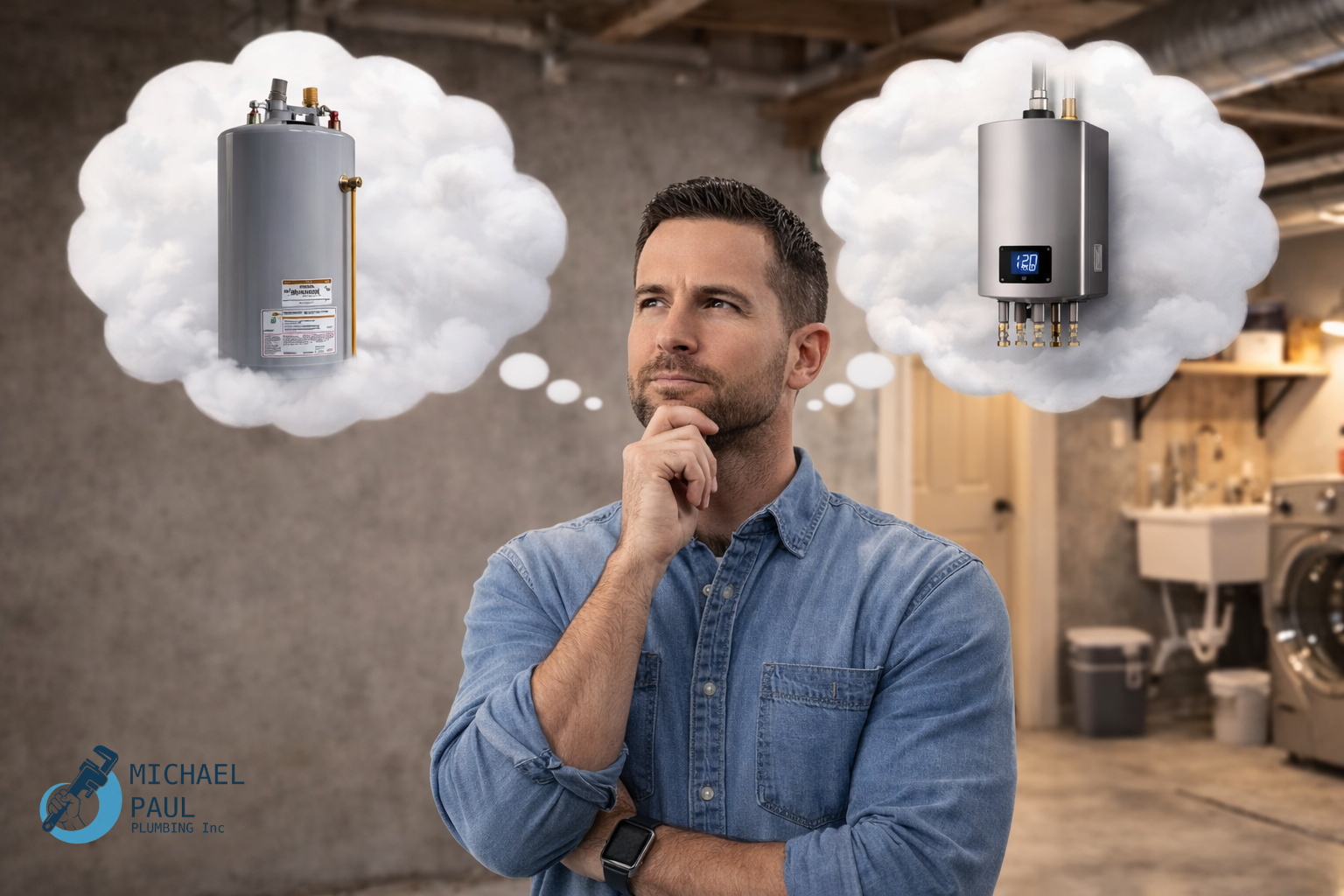
1. Conventional Tank Water Heaters
Tank water heaters store hot water and come in gas, electric, and propane versions. They're usually cheaper to install and remain a common choice. They last about 8 to 12 years, depending on use and maintenance.
But they can lose heat through standby losses and need space for the tank. If your home has predictable hot water peaks and you're looking for a lower initial cost, a high-efficiency tank model might be for you.
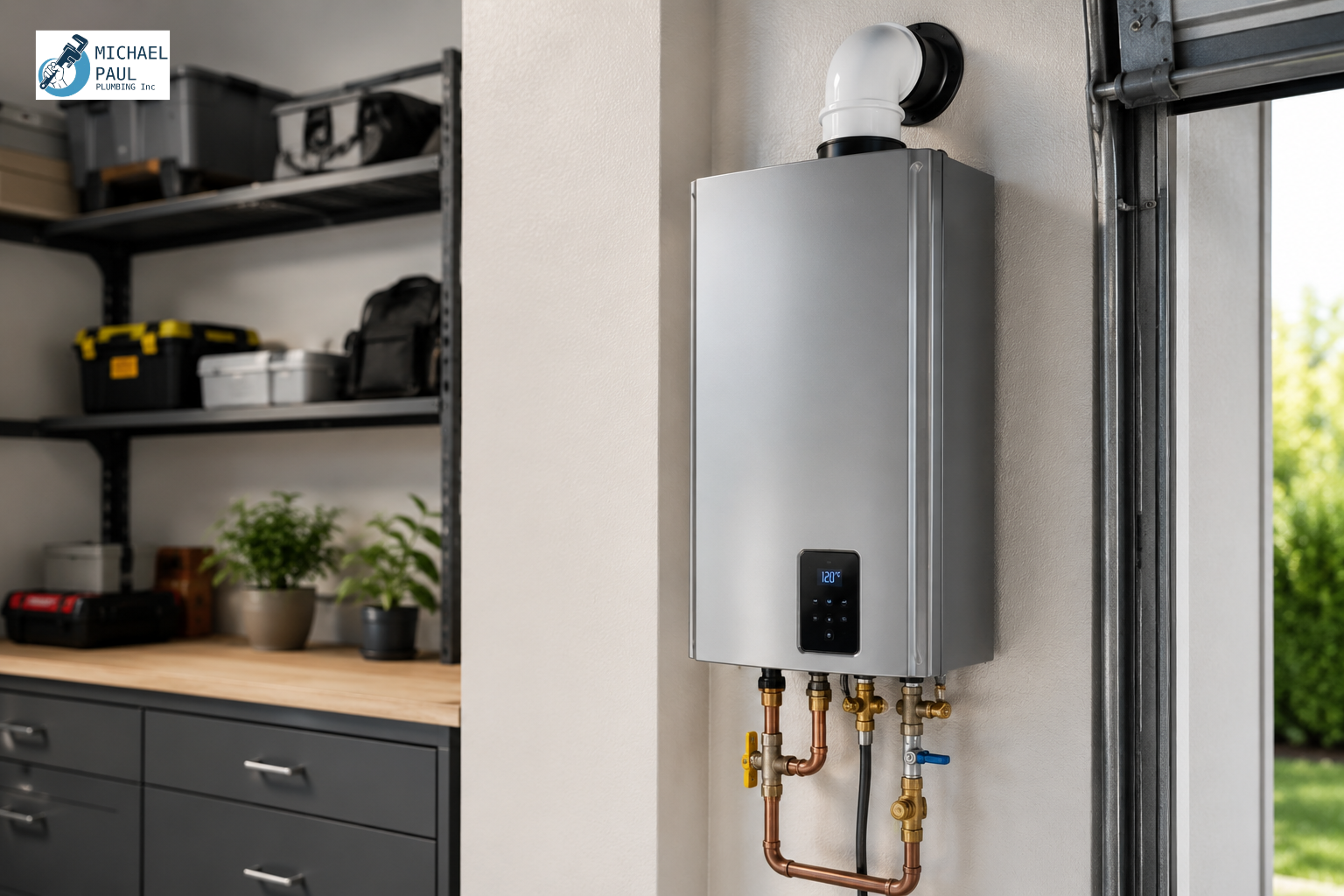
2. Tankless (On-Demand) Water Heaters
Tankless heaters heat water as it flows, offering an unlimited supply and eliminating standby losses. They're compact and often last longer than tank models, up to 20 years with good care.
They cost more upfront and may need upgrades to gas lines or electrical service. They work best in homes with variable or lower simultaneous hot water demands. For homes with high demand, like multiple showers at once, tankless systems need careful sizing or a small buffer tank.
3. Heat Pump Water Heaters (HPWHs)
HPWHs draw heat from the air to warm water, offering high efficiency compared to electric heaters. They're best in moderate climates or conditioned spaces. In cold areas, they might need extra heating sources.
Consider space needs and the slight cooling effect they have on their surroundings. Check local codes and talk to an installer about the best placement and ventilation practices.
Sizing Your Water Heater Correctly
1. Calculating Tank Capacity
Sizing a tank model depends on the First Hour Rating (FHR) and peak demand. FHR measures how much hot water a unit can deliver in an hour. To estimate your needs, list simultaneous demands during peak periods, like two showers and a dishwasher, and add usage figures for each fixture. For many households, a 40–50 gallon tank works, but each home is different.
A mis-sized tank can lead to cold-water surprises during showers or wasted energy from oversized tanks. Work with a plumber to calculate your peak loads and match them to the right unit.
2. Sizing Tankless Units (Flow Rate and Temperature Rise)
For tankless systems, size by flow rate (gallons per minute, GPM) and temperature rise. Add the GPMs for fixtures that might run at the same time. For instance, a shower may use 1.5–2.5 GPM, and a dishwasher around 1–2 GPM.
Once you have the total required GPM, pick a tankless unit that meets that flow at your local temperature rise. Cold climates need more capacity because the groundwater temperature is lower.
3. Special Considerations for Heat Pumps and Solar-Integrated Systems
HPWHs should be sized for demand and the space they operate in, considering seasonal performance changes. Solar-integrated systems often use a smaller backup, so sizing should consider solar production and storage needs.
Installers can model expected solar output and recommend storage tanks or hybrid setups to keep you comfortable year-round.
Energy Ratings, Certifications, and What They Mean
1. Understanding Uniform Energy Factor (UEF)
The Uniform Energy Factor (UEF) is the standard efficiency metric for comparing water heaters. A higher UEF means better energy conversion. Compare UEF values among models in the same category to find the most efficient option for you.
Remember, actual savings depend on local energy costs, usage patterns, and climate. An efficient model may cost more upfront but save money over time through lower operating costs.
2. Energy Star and Other Certifications
Energy Star certification marks products that meet higher efficiency standards. Certified units might be eligible for rebates or incentives, so check local and federal programs when budgeting for a replacement. Government and utility websites list rebates and requirements for high-efficiency equipment.
Visit Energy Star and local utility pages to see applicable programs. These resources help you understand the financial benefits of choosing certified equipment.
3. Maintenance and Longevity Expectations
Lifespan varies: tank heaters last 8–12 years, tankless units up to 20 years, and heat pumps around 10–15 years, depending on use and care. Regular maintenance, like annual inspections and flushing to remove buildup, can extend life.
Check warranties carefully; some parts have different terms than the overall tank. A longer warranty usually means more confidence from the manufacturer.
Installation Considerations and Local Codes
1. Professional Installation Matters
Professional installation ensures compliance with local codes, proper venting, safe gas connections, and reliable electrical service. A licensed plumber will size and configure the unit for your layout and demands.
Michael Paul Plumbing offers installation services and can guide you through permits and code compliance. If you're upgrading your home, our residential plumbing services can audit your system and recommend the best approach.
2. Permitting and Local Codes
Permit needs vary and can affect tank locations, venting, heater types, and necessary seismic strapping. Always have a professional check local codes before installation to avoid costly rework or fines.
Your installer should handle permits and inspections. This protects you and ensures the installation meets safety standards.
3. Site Planning: Space, Venting, and Electrical Needs
Consider where the unit will go: basements, utility closets, garages, or conditioned spaces. Each has different pros and cons. HPWHs need enough airflow and space. Tankless units may need upgraded gas lines or electrical service. Proper ventilation and clearance are key for safety and performance.
Discuss site constraints with a plumber to see if modifications like venting, gas line upsizing, or a dedicated electrical circuit are needed and what they might cost.
Maintenance, Troubleshooting, and Extending Lifespan
1. Routine Maintenance Tasks
Keep your water heater in good shape with routine maintenance. For tanks, flush the tank annually, check the temperature-pressure relief valve, and replace the anode rod every few years. Tankless systems need periodic descaling in hard-water areas and inlet filter cleaning.
Heat pump water heaters need extra care, like cleaning air filters and checking refrigerant circuits. A regular maintenance schedule reduces emergency failures and keeps costs predictable.
2. Common Troubleshooting Steps
If you have inadequate hot water, check settings like thermostat temperature, power supply, and leaks. Sediment can reduce tank capacity and flow rate, while scale can affect heat exchangers in tankless units. Some smart models provide error codes or diagnostics to help pinpoint issues.
For persistent problems, contact a technician for testing and repairs. Attempting complex repairs without training can be dangerous and void warranties.
3. When to Repair vs Replace
Should you repair or replace? Consider the unit's age, repair cost, efficiency, and recurring issues. If repair costs are close to 50% of a new high-efficiency replacement or the unit is nearing its end of life, replacement often makes sense. Upgrading can yield savings and reliability.
Costs, Rebates, and Return on Investment
1. Upfront Costs vs Long-Term Savings
Upfront costs vary: tank models are usually cheaper, while tankless and HPWHs cost more and may need extra installation work. Higher-efficiency units typically lower operating costs, offsetting their higher purchase and installation costs over time.
Calculate lifecycle costs by estimating annual energy use and local energy prices. Consider the payback period for higher-efficiency equipment and include maintenance costs and lifespan. This helps you choose the option that fits your financial goals.
2. Rebates, Tax Credits, and Incentives
Many programs offer rebates or tax incentives for high-efficiency water heaters. Before you buy, check federal, state, and local programs for savings. These incentives can cut the net cost of an HPWH or a qualifying tankless unit.
Consult official sources like local utility and federal energy program pages for up-to-date incentive listings. These resources outline eligibility requirements and timelines for rebates.
3. Example ROI Scenarios
Imagine a household replacing a 10-year-old electric tank with a heat pump water heater. If the HPWH cuts energy use by 50–60% and local electricity rates are moderate, annual savings can be substantial, often paying back within several years. Similarly, a family switching from a gas tank to a high-efficiency tankless unit may see long-term savings if their usage suits on-demand heating.
Work with an installer to model expected energy savings and payback periods for your rates and usage. Real-world studies often show paybacks ranging from 3 to 10 years, depending on equipment, incentives, and energy prices.
Real-World Case Studies and Local Considerations
1. Residential Upgrade Example
A family in Arlington Heights swapped their old gas tank for a smart heat pump water heater. They chose a model suited for their four-person home and installed it in a conditioned basement for year-round efficiency. Within a year, they reported about a 30% drop in their water heating bill and praised the remote monitoring features that alerted them to an anode rod issue early.
This shows the importance of right-sizing, site placement, and professional installation. The homeowner used local rebates to cut costs and scheduled maintenance with a plumber to keep things running smoothly.
2. Commercial and Special-Use Example
A local restaurant installed a solar water heating loop for preheating and used a high-efficiency gas booster for peak demand. This hybrid setup cut gas consumption and ensured reliable service during busy times. For businesses with daytime use and space for solar, combining solar thermal with an efficient backup can lower costs and show a commitment to sustainability.
Commercial projects need extra planning for capacity, redundancy, and health-code compliance. Engage experienced commercial plumbers early to avoid costly redesigns or noncompliant installations.
3. Climate and Local Incentives
Arlington Heights has cold winters, so consider how heat pump systems perform in low temperatures. Sometimes, a hybrid system with a backup electric or gas element ensures comfort through seasonal changes. Local utilities offer incentive programs for energy-efficient upgrades—check your utility website or ask your plumber about current rebates.
FAQs and Troubleshooting Guide
1. What size water heater do I need?
Size depends on household size, peak usage, and simultaneous demands. For tanks, calculate the First Hour Rating (FHR) using peak-hour demands or consult manufacturer charts. For tankless, total flow rates for simultaneous fixtures, and account for temperature rise. When unsure, consult a plumber for recommendations.
2. Are tankless water heaters worth the investment?
Tankless water heaters can be worth it for those who value continuous hot water, space savings, and lower long-term costs. Their higher initial cost can be offset by energy savings and longer life. Homes with high demand might need multiple units or a hybrid system for desired performance.
Consider usage patterns, fuel types, and installation complexity. Our water heater services team can help you run the numbers for your situation.
3. How long do water heaters last?
Typical lifespans are 8–12 years for tanks, up to 20 years for tankless units with good maintenance, and around 10–15 years for heat pumps. Regular maintenance like flushing, filter cleaning, rod replacement, and professional inspections can extend life and improve safety and efficiency.
4. What should I do if my water heater makes a noise?
Noise often means sediment buildup or scale inside a tank. Flushing the tank can solve rumbling or popping sounds. Hissing might mean a leak or pressure issue, while clicking in tankless units can relate to ignition or electrical components. If flushing and checks don't fix the noise, schedule a professional inspection to safely diagnose the cause.
Professional Help, Next Steps, and Choosing a Contractor
1. Choosing the Right Installer
Look for licensed, insured plumbers with experience in the water heater type you're considering. Verify references and ask about past installations similar to yours. A good contractor will provide estimates, explain permits, and offer a maintenance plan to protect your investment.
Michael Paul Plumbing offers full-service installation, permitting, and maintenance packages, and can evaluate your existing plumbing to recommend the best solution. If you're remodeling or adding capacity, our remodeling plumbing services team can coordinate water heater placement with broader project plans.
2. Questions to Ask Before You Hire
Ask contractors about licensing, warranty handling, estimated timelines, and experience with local codes. Request itemized estimates and ask how they handle unforeseen issues during installation. Ask if they offer maintenance or follow-up services to keep your system efficient for years.
If your property is prone to flooding, discuss protective measures like elevated installation or sump pump integration. Our sump pump installation and repair, and battery backup systems can protect your water heater and home from water damage during storms or outages.
3. Scheduling and Project Timeline
Conventional tank installations typically take a few hours, while tankless or heat pump systems may take longer due to venting, electrical work, or gas line modifications. Allow time for permit approval and inspections, and plan around seasonal demand. Spring or fall installations can avoid peak waiting periods.
Discuss scheduling and contingency plans with your contractor to minimize disruption and ensure a smooth installation process.
Conclusion: Make an Informed Choice and Protect Your Investment
Choosing the right water heater means balancing cost, efficiency, demand, space, and maintenance. Technologies like heat pump water heaters, tankless systems, and smart units offer benefits in efficiency and convenience. Proper sizing, professional installation, and routine maintenance ensure reliable performance and longevity.
Ready to compare options and get a site-specific recommendation? Contact Michael Paul Plumbing for an on-site evaluation. Our team will help you understand costs, incentives, and the best equipment to meet your needs while ensuring code-compliant installation and ongoing support. For more on plumbing topics, check our posts on reliable water heater installations and the ultimate vacation plumbing checklist.
Ready to get started? Call Michael Paul Plumbing at +1 847 710 9333 or email info@localtrustedplumber.com. Our experts will help you choose the best option, take care of permits, and provide reliable installation and maintenance for years of trouble-free hot water.
Resources and Further Reading
For efficiency standards and product comparisons, visit Energy Star for certified models and efficiency guidance. For in-depth consumer advice on choosing a water heater and product reviews, see Good Housekeeping's water heater buying guide. For general reference on water heating technologies and terminology, consult Wikipedia's water heater overview.
If you have specific questions about installation in Arlington Heights or want to schedule an evaluation, reach out to Michael Paul Plumbing—we serve the community with dedicated plumbing expertise and reliable service.