Reliable Water Heater Installations in Arlington Heights: Avoiding Common Mistakes
Getting a water heater installed correctly involves more than just connecting pipes and flipping a switch. It's about ensuring safety, efficiency, and long-term performance. In this guide, we'll look at common mistakes that lead to leaks and excessive pressure, explain why they happen, and give you clear steps to prevent them.
Whether you own a home in Arlington Heights or you're a plumbing pro seeking the latest tips, this post brings together current trends, expert advice, and real-world examples. If you're thinking of hiring a team, our water heater services cover everything from installation to emergency repairs.
Why Proper Water Heater Installation Matters
Safety First
Water heaters hold and heat lots of water under pressure. If something goes wrong with the installation, parts like the temperature and pressure relief valve can fail, leading to dangerous situations. This can cause scalding, flooding, or even damage to your home. That's why getting it right is a must for safety.
Hiring a professional can greatly reduce these risks. They ensure safety devices are correctly installed and that everything meets building codes. Trying to do it yourself might void warranties or miss important local regulations.
Saving Money
Installing a water heater incorrectly can waste energy and shorten its lifespan. Poor venting, not enough insulation, or the wrong unit size can all drive up energy bills. Did you know heating water accounts for about 20% of a home’s energy use? Getting the installation right can lead to big savings.
For those in Arlington Heights looking to cut energy costs, pairing proper installation with efficient equipment is a smart move. If you're upgrading or remodeling, working with plumbing experts can ensure you get the best setup.
Local Codes and Warranties
Following local building codes and manufacturer instructions is key. In many places, including Arlington Heights, you need permits for new installations, and inspections make sure everything is safe. Skipping these steps can lead to fines and insurance issues.
If you're unsure about code requirements, talk to a licensed plumber or your local building department. Our team can help with permits and inspections as part of our residential plumbing services.
Common Mistakes That Cause Leaks
Overlooking the Expansion Tank
One often missed component in modern plumbing is the expansion tank. As water heats, it expands and raises pressure in the system. Without an expansion tank to handle this, pressure can build up and cause leaks over time.
Making sure the expansion tank is the right size and properly pressurized is crucial. Professionals also check for thermal expansion issues during installation and recommend solutions based on your plumbing setup.
Incorrect Pressure Relief Valve Installation
The temperature and pressure relief valve is vital for safety. Mistakes like improper alignment or using the wrong valve can lead to leaks or worse. A blocked discharge pipe can cause violent pressure releases.
Following the manufacturer's instructions for installing the TPR valve and testing it after installation is best practice. Professionals ensure the discharge flows freely and that all parts are compatible.
Poor Drain and Condensate Management
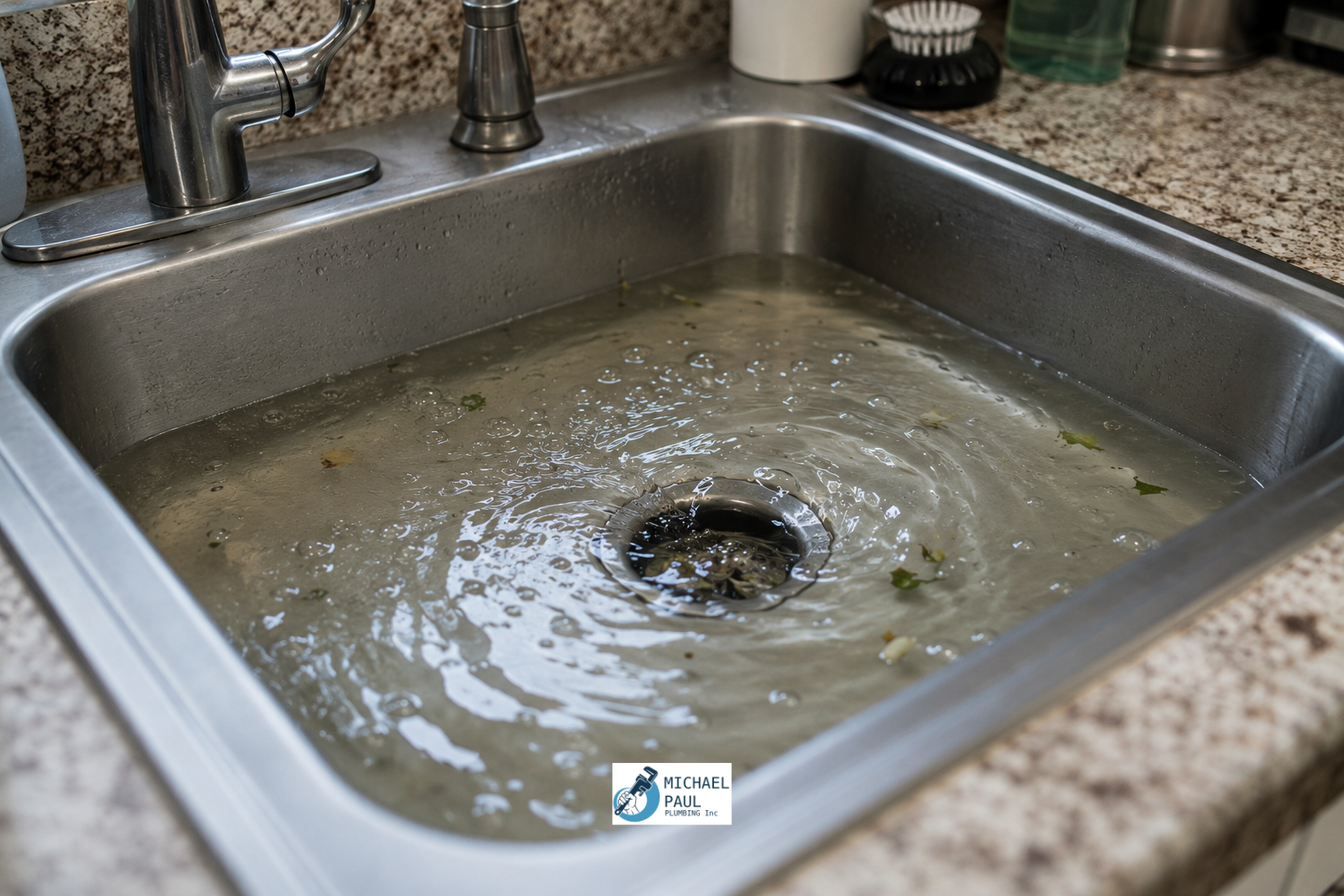
Poor drainage or handling of condensate, especially in high-efficiency heaters, can lead to leaks. Condensate lines need to be properly set up to avoid backflow and freezing in cold months.
During installation, make sure condensate drains are correctly placed and protected from freezing. Our technicians always check these aspects to prevent leaks.
Common Mistakes That Cause Excessive Pressure
Ignoring Thermal Expansion
In closed systems, thermal expansion can raise pressure dangerously if not managed. Older homes with certain valves are at risk because these devices trap expanded water.
Proper installation means spotting closed systems and adding expansion tanks or relief devices. Skipping this step can lead to plumbing stress and failing fittings.
Incorrect Pressure-Reducing Valves
Inconsistent municipal supply pressures often mean homes need a pressure-reducing valve. If it's the wrong size or set incorrectly, it can stress the system and lead to leaks.
Technicians should measure incoming pressure and adjust the PRV to a safe level. This prevents stress on the water heater and ensures smooth operation.
Not Checking Tank Pressure
Installers sometimes forget to check if the tank's pressure and connected devices match manufacturer specs. Mismatches can lead to wear or even failures.
Checking gauge readings and testing the TPR valve is part of a thorough installation. This reduces the chance of pressure-related problems.
Practical Installation Tips
Pre-Installation Check
Start with a site check, including space, venting paths, and supply lines. Check water quality for risks and identify if the system is open or closed. This helps choose the right equipment.
Documenting the setup helps with permits and ensures nothing critical is missed. Our teams follow a checklist as part of our water heater services for smooth installations.
Choose the Right Unit
Select a water heater that matches your household's needs to avoid issues. Location matters too: placing it near high-demand areas can save energy, but safety and ventilation are key.
Consider a drain pan and how a leak might affect the area. For tight spaces, tankless or heat pump models may work, but they need careful planning.
Secure Connections
Use the right materials to avoid corrosion or leaks. When connecting different metals, use dielectric unions to prevent issues. Ensure all connections are leak-tested.
Tighten connections to the correct specs and use approved sealants. Pressure-test the system and check for leaks before finishing the job.
Energy Efficiency and Smart Tech
Heat Pump Water Heaters
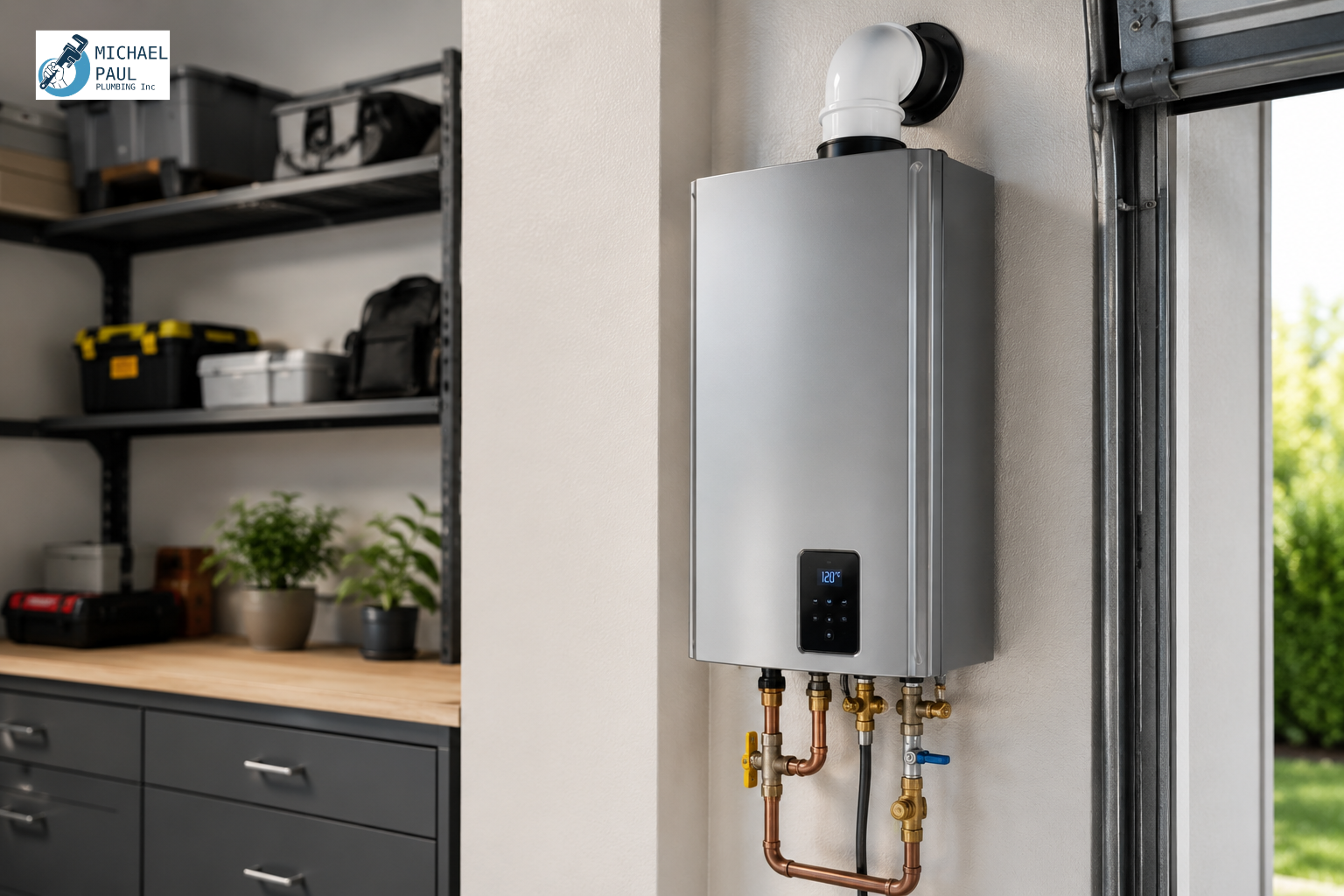
Heat pump water heaters are popular for saving energy. ENERGY STAR models can cut costs significantly. They work best in moderate climates and need special installation considerations.
Switching to a heat pump might require electrical updates and adequate air clearance. A professional can help decide if it's right for your home.
Smart Monitoring
Smart water heaters that offer usage data and leak alerts are gaining popularity. These features can warn you of problems before they grow.
During installation, make sure smart features connect securely to your network. Combining smart monitoring with regular maintenance boosts reliability.
Incentives and Rebates
Check for local incentives or rebates for high-efficiency equipment. These can offset upgrade costs. Eligibility often requires installation by a pro.
For more energy-saving tips and incentive info, resources like the U.S. Department of Energy are helpful.
Local Codes and Permits
Why Codes Matter
Local codes ensure safety. Arlington Heights has specific requirements for plumbing that may need permits and inspections. Following these ensures the job is safe and insurable.
Licensed pros know these requirements and can handle permits and inspections. Always confirm your contractor will take care of the necessary permits.
Permit Steps
Permit processes usually involve an application, fees, and scheduled inspections. Inspectors check venting, connections, and safety devices. Passing inspections means everything meets code.
If something needs fixing, a licensed installer will address it and request another inspection. Professionals handle these steps to keep things stress-free.
Finding a Local Installer
Choose licensed plumbers with local experience. Local expertise is valuable for dealing with common issues. Ask for proof of licensing, recent work examples, and a clear estimate.
If you're in Arlington Heights, our team offers transparent estimates and permit handling as part of our gas and water heater services.
Real-World Examples
Sediment Buildup
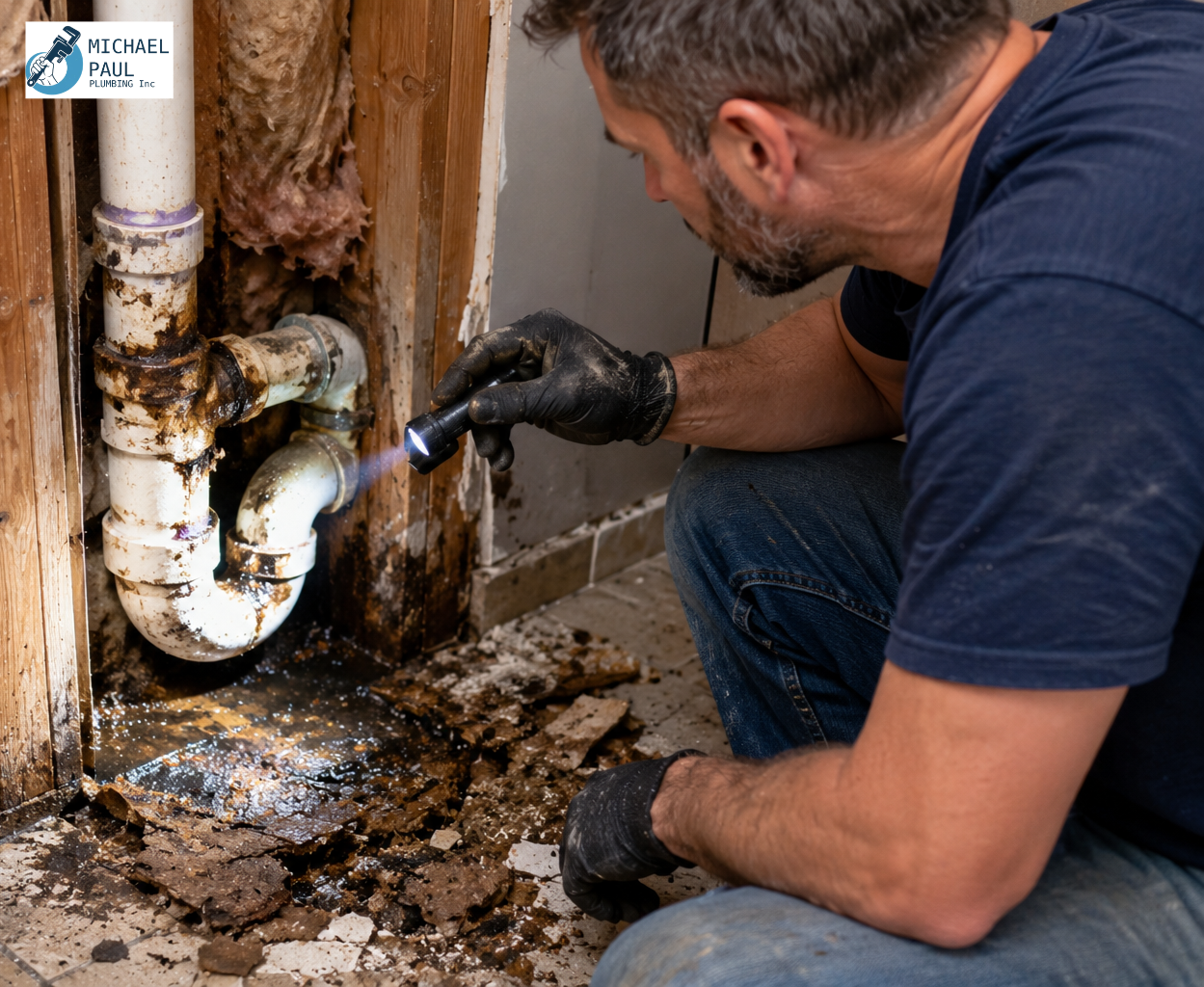
In one Arlington Heights home, a water heater developed leaks due to sediment buildup. This caused overheating and cracks. Regular flushing and a water softener can prevent this.
Replacing the unit and adding a softener fixed the issue. Regular flushing and anode checks can extend tank life.
Corrosion from Mixed Metals
Another case involved corrosion where copper and galvanized steel met without dielectric unions. This caused rapid deterioration and leaks.
Adding dielectric unions and replacing corroded parts fixed the leaks. Technicians also checked nearby plumbing for any weak points.
Venting Issues
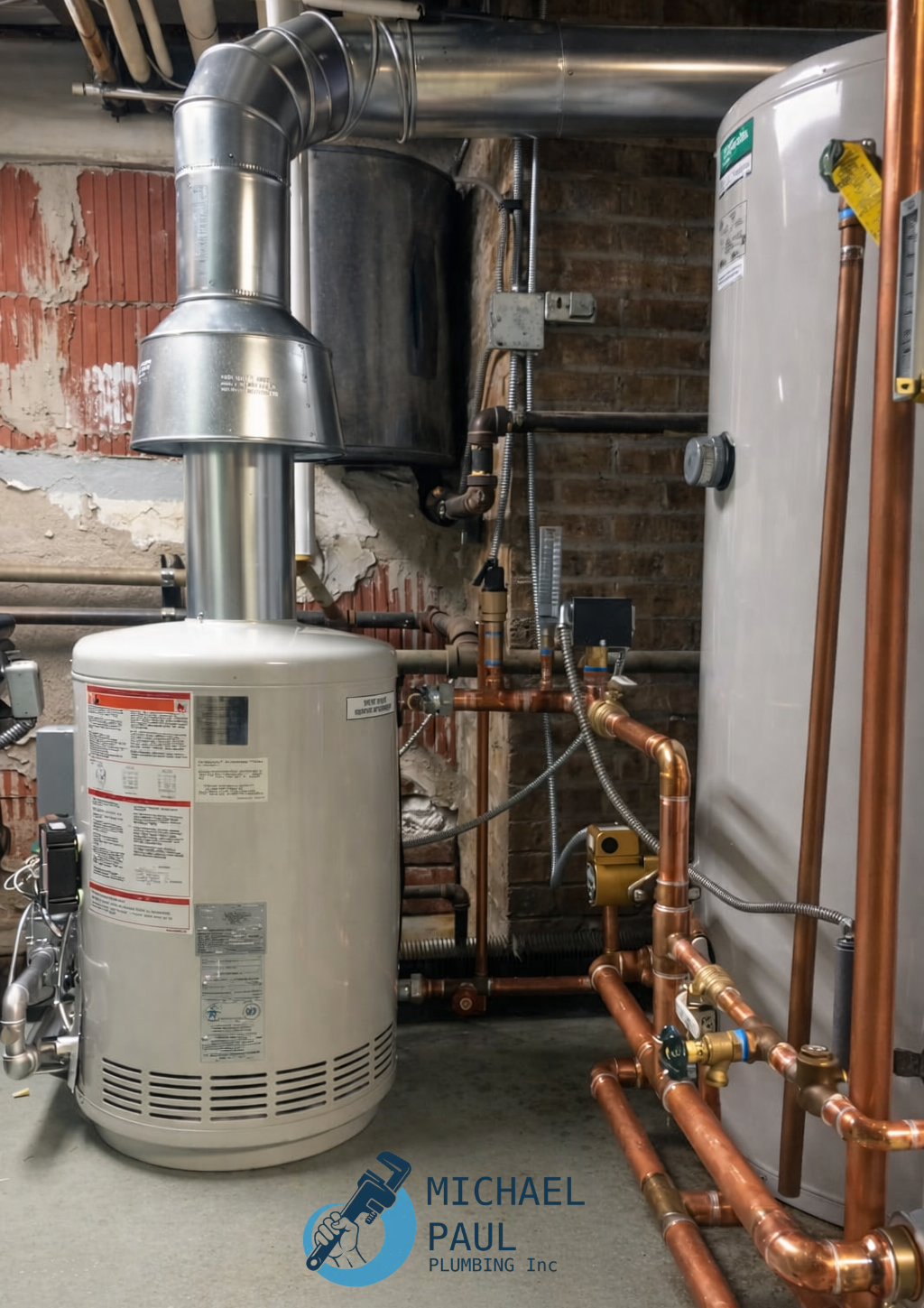
A gas water heater had poor venting, causing combustion products to spill into a room. Incorrect vent slope and connectors were the problem.
Fixing the vent path and using approved connectors resolved the issue. Venting checks should be part of any gas installation.
Troubleshooting Guide
Spotting Problems
Watch for leaks, temperature changes, unusual noises, or energy bill spikes. These often signal installation problems like sediment buildup or failing devices. Regular checks can catch issues early.
If you find water where it shouldn't be, turn off the supply and call a pro. Quick action can prevent damage.
DIY Checks
Homeowners can check for pooling water, inspect the TPR valve pipe, and check fittings for corrosion. You can also test pressure with a gauge, but leave gas or electrical issues to the pros.
For anything beyond visual checks, schedule a professional inspection.
When to Call a Pro
Call a plumber if you find leaks, repeated TPR discharges, corrosion, or gas smells. Professional help is needed for pressure issues, major replacements, and code tasks. DIY fixes can be dangerous and might void warranties.
Michael Paul Plumbing offers inspections, repairs, and installations for Arlington Heights homeowners. Contact us for service.
FAQ: Water Heater Installation Questions
Can I install a water heater myself?
It's not recommended. Gas and electrical work involve risks that can affect safety and insurance. Many manufacturers require pro installation for warranty coverage.
For peace of mind, hire a licensed pro. Our residential plumbing team can manage the project from start to finish.
How to prevent excessive pressure?
Install the right expansion tank, set pressure valves correctly, and monitor supply pressure. Routine maintenance includes testing the TPR valve and checking for thermal expansion.
If you're unsure about your system, get a professional pressure check.
What maintenance extends water heater life?
Regular maintenance includes flushing the tank, checking the anode rod, testing the TPR valve, and watching for leaks. These reduce wear and catch small problems early. Pair maintenance with water quality treatment if needed.
To set up maintenance, contact a trusted plumber for a plan that fits your home.
Conclusion
Proper water heater installation involves choosing the right equipment, following guidelines, and ensuring precise work. Common mistakes like missing expansion tanks or improper venting can lead to leaks and pressure issues. Addressing these early through professional installation and maintenance protects your home.
If you're in Arlington Heights and need an installation or inspection, Michael Paul Plumbing is ready to help. We handle permits, install safety devices properly, and offer smart monitoring options. Contact us today for a consultation.
Ready to protect your home with a properly installed water heater? Call Michael Paul Plumbing at +1 847 710 9333 or email info@localtrustedplumber.com to schedule a professional evaluation. You can also explore our gas line work and battery backup systems for sump pump protection.
For more resources, check out the ENERGY STAR and Wikipedia. These sites provide info on energy use and high-efficiency benefits. With the right knowledge and professional help, you can ensure a safe, efficient water heating system.
Don't wait for a leak or pressure issue. Schedule a professional installation today with Michael Paul Plumbing and protect your home.