The Ultimate Vacation Plumbing Checklist for Arlington Heights Homeowners
Going on vacation should be about relaxation, not fretting over plumbing disasters back home. This guide will help you get your plumbing in order before you leave, covering everything from inspections to using smart tech to keep tabs while you’re away. We’ll walk you through practical steps, winter tips specific to Arlington Heights, and share some expert advice. If you'd rather have a professional take care of things, check out our residential plumbing services for a thorough pre-trip inspection.
Why Preparing Your Plumbing Matters
The Cost of Ignoring Plumbing
When it comes to home disasters, water damage is up there as one of the worst, both financially and emotionally. Repair bills can skyrocket if leaks or burst pipes go unnoticed. Even a small leak can ruin floors, walls, and valuables, and lead to mold. A little preparation before you go can save you from returning to a disaster.
What the Numbers Say
Reports show that about a third of homeowners skip essential maintenance before vacations, making them more prone to leaks, clogs, and appliance breakdowns. Simply turning off a main valve or checking for leaks can drastically cut down on risks. Prepping your plumbing is a small time investment compared to dealing with a big failure.
What the Experts Suggest
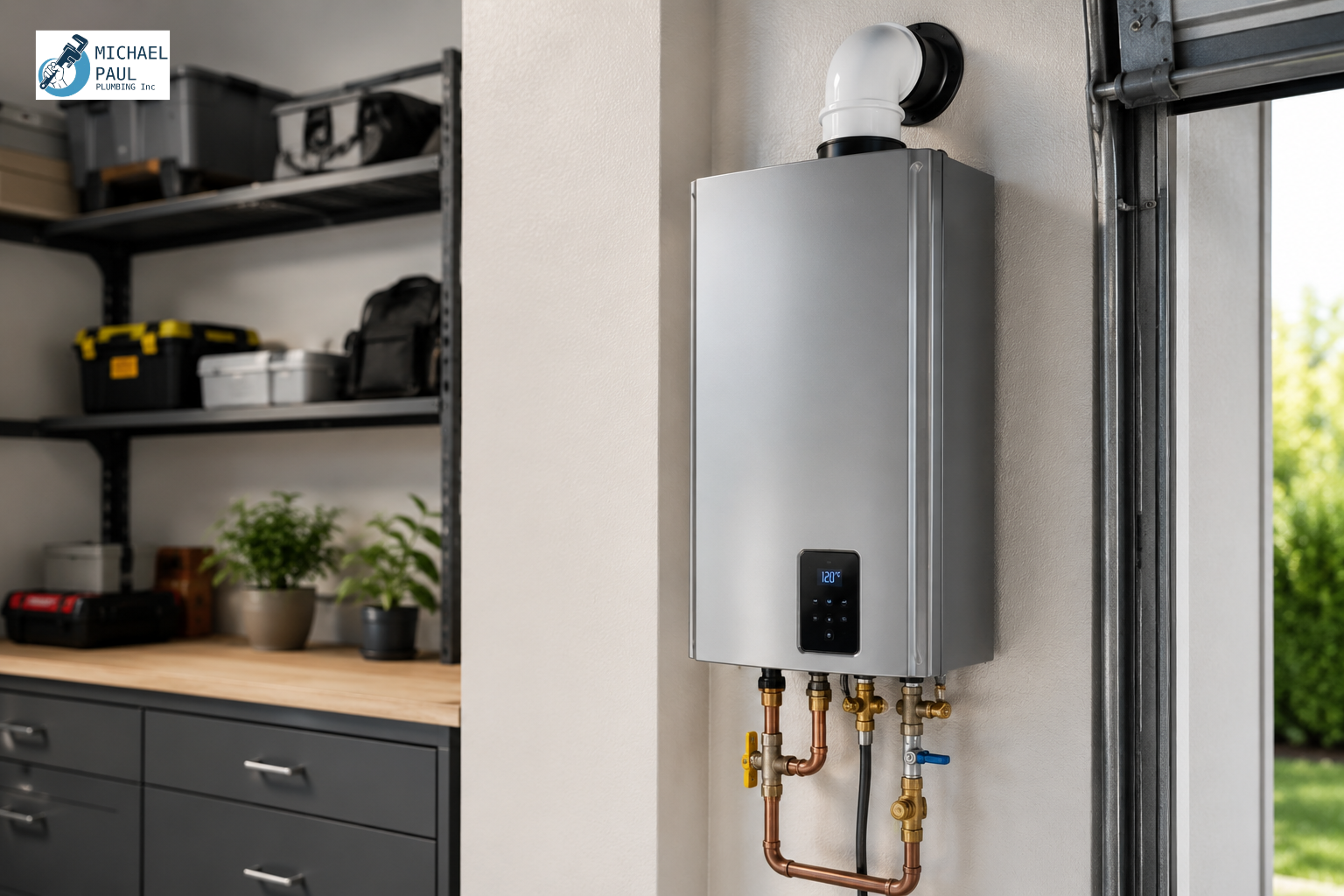
Plumbing pros always recommend a pre-trip inspection to catch small issues before they become big problems. They can spot corrosion, loose fittings, and other issues you might miss. If you prefer a hands-off approach, our technicians can handle everything. Ask about our water heater services and maintenance packages when you book.
Pre-Trip Inspection Checklist
Check Pipes, Fixtures, and Appliances
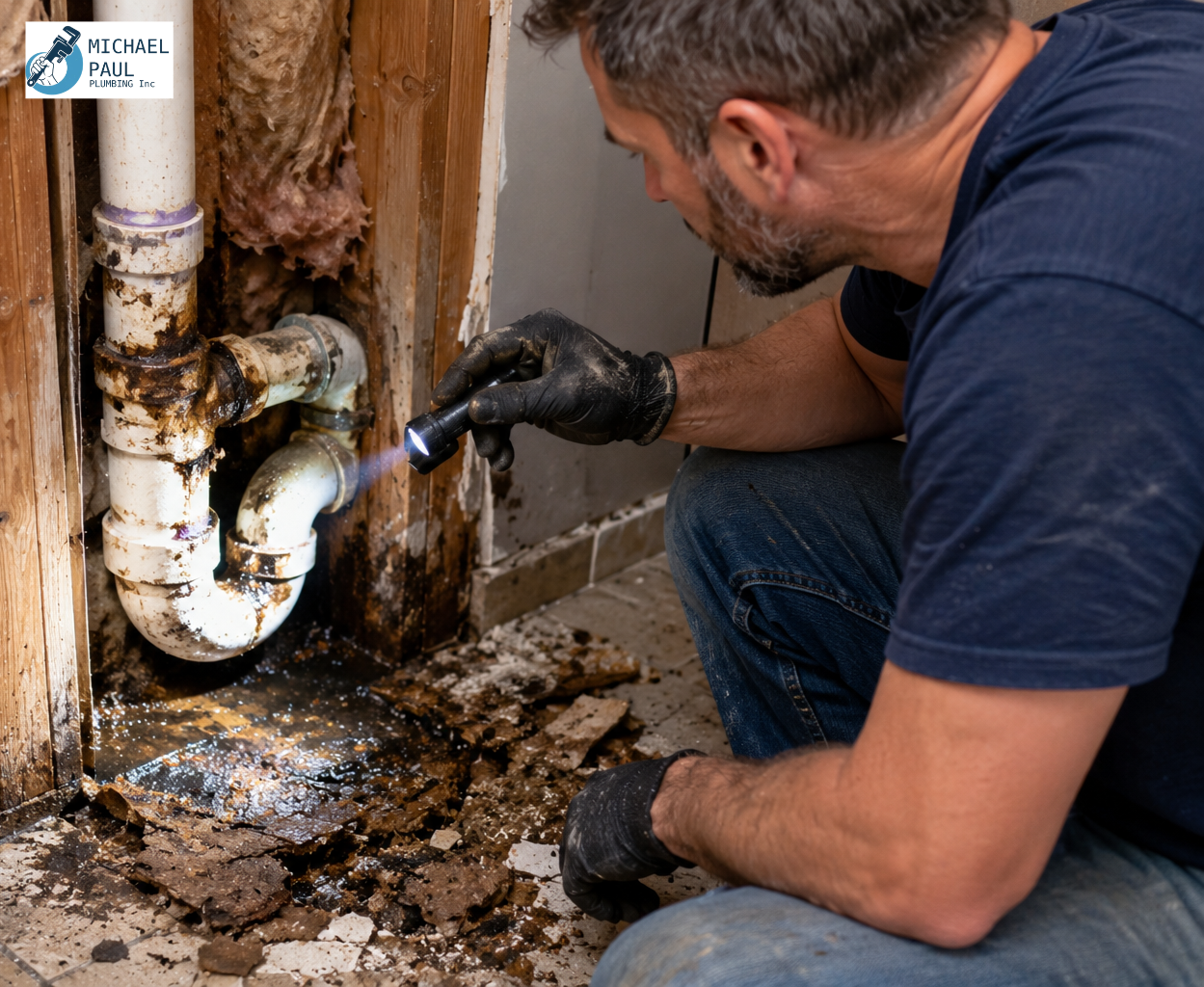
Walk through your home and look for signs of moisture, corrosion, or leaks around sinks, toilets, and appliances. Look out for stains, peeling paint, musty smells, or dampness. If something seems off, jot it down and prioritize repairs so they can be fixed before you leave.
Toilets and Drains Check
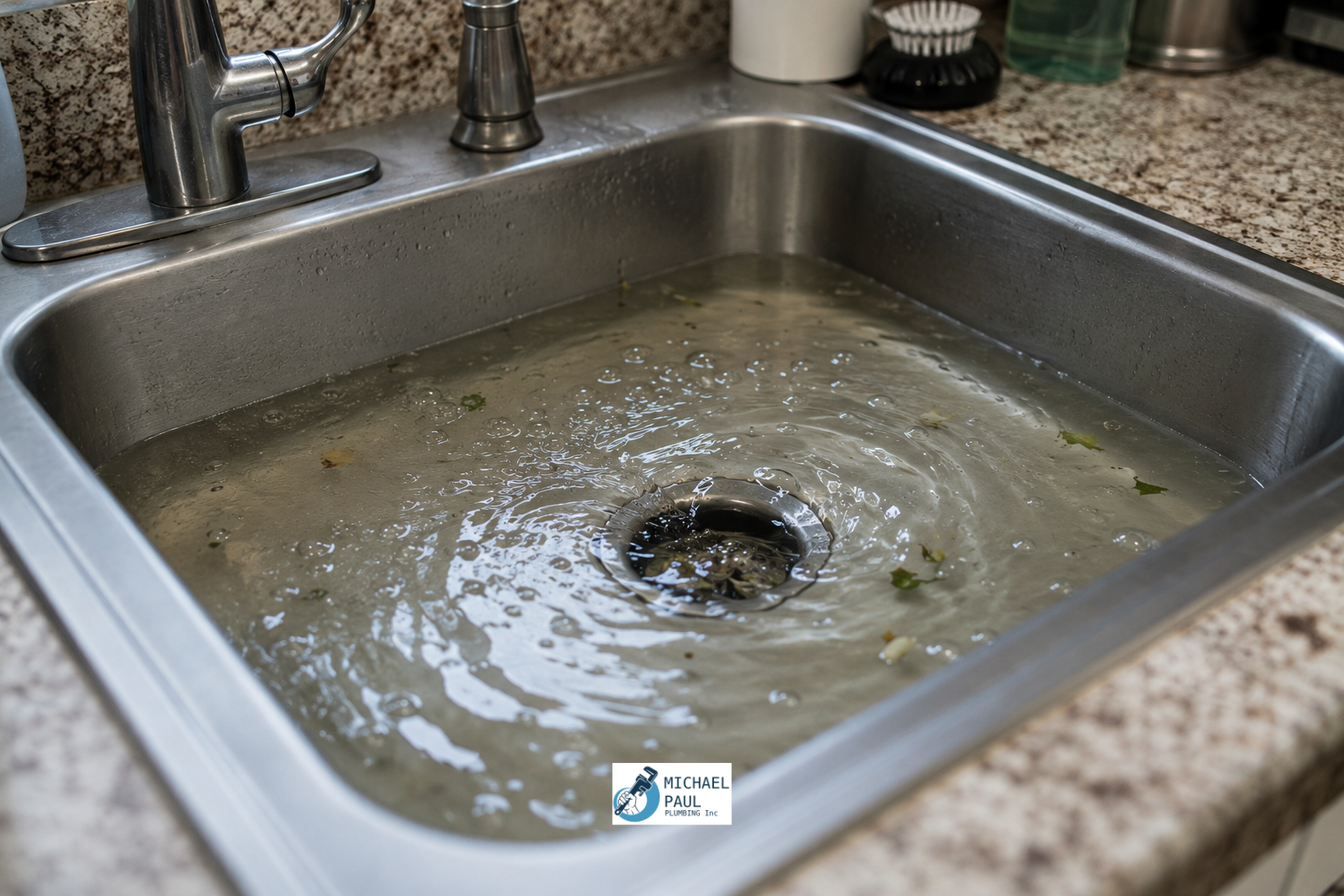
Flush each toilet to make sure everything's working fine. Listen for phantom running or slow refills, which might mean the flapper or fill valve needs attention. Run water in sinks and tubs to ensure drains are clearing properly. If you notice blockages, consider a professional sewer inspection to avoid surprises.
Inspect Water-Supplying Appliances
Check connections on your washing machine, dishwasher, fridge, and water heater for any cracks or loose fittings. Replace any old braided supply lines that are showing wear. Newer stainless-steel braided lines are more durable. For peace of mind during long trips, it's wise to have these appliances checked by a professional.
Shutting Off and Securing Water Sources
Turning Off the Main Water Supply
One of the best ways to prevent major water damage is to shut off the main water valve before you leave. Find the main valve near your water meter or where the service line enters your home and practice using it. Remember, this shuts off all indoor water systems, so plan for any pets or systems that need water.
Turn Off Supply Lines to Key Appliances
If you're only going away for a short time and don’t want to shut off the main valve, consider turning off the supply valves to the washing machine, dishwasher, and water heater. This reduces risk while keeping sinks and toilets functional. Label these valves clearly and leave instructions for anyone staying over.
Taking Care of Outdoor and Irrigation Systems
Deactivate automatic sprinklers and winterize outdoor faucets, especially if it's cold. If your irrigation needs winterizing, follow the manufacturer's advice or hire a pro to blow out lines. This is important in cold areas to avoid burst pipes.
Smart Leak Detection and Monitoring Technologies
Why Use Smart Leak Detectors?
Smart home trends include leak detectors that alert you via smartphone when they sense moisture or continuous water flow. These devices are easy to install under sinks, near heaters, and behind appliances. They can even shut off valves automatically, giving you peace of mind while you’re away.
Choosing and Placing Devices
Pick detectors with good connectivity and battery life. Wi-Fi-enabled units are common. Install them under sinks, behind washers, near heaters, and in basements. For extra safety, pair them with an automatic shut-off valve.
Monitoring Services and Professional Help
Some devices offer subscription services for professional alert handling and emergency shut-off. This is handy for longer trips or if you can’t rely on neighbors to check your place. When you consult local pros, ask about monitoring setups that fit your needs.
For more on water-saving tips and smart appliances, check out the EPA's WaterSense resources: EPA WaterSense.
Water Heater and Appliance Preparation
Adjusting the Water Heater
If you're away only for a short time, set your water heater to a lower temperature or "vacation mode" to save energy. For longer trips, consider draining the tank to avoid sediment buildup, but handle this carefully or hire a professional. Turn off the heater’s power supply when the main water is off, but check your manual or ask a pro for safety advice.
Getting Dishwashers and Washing Machines Ready
Check hoses and connections for wear and replace old rubber hoses with stainless-steel lines. Run a maintenance cycle and clean filters before you go to prevent blockages.
Refrigerator Tips
If your fridge has an ice maker or water dispenser, turn off the water supply and empty the ice bucket before leaving to avoid leaks. If you shut off the supply, label the valve and leave instructions for anyone who might need to reconnect it.
Frozen Pipes: Winter-Specific Precautions for Arlington Heights
Local Climate Risks
Arlington Heights winters can be harsh, with temperatures dropping well below freezing. This increases the risk of frozen pipes, especially in unheated areas like crawl spaces and garages. Knowing your home’s vulnerable spots is key to protecting your plumbing.
Insulate and Maintain Heat
Wrap exposed pipes in foam or insulation sleeves to cut down on freezing risks. Keep the interior temperature above 50°F and seal drafts around doors and windows. During extreme cold, let faucets drip to keep water moving.
When to Let Faucets Drip
If temperatures drop to 20°F or lower, especially with older insulation, let faucets drip to prevent pipes from freezing and bursting. Combine this with insulation and thermostat management to minimize risks.
For tips on winter safety, check out NOAA’s resources: NOAA Education & Safety.
Sump Pump, Basement, and Flood Protection
Test Your Sump Pump
Before you go, pour water into the sump pit to ensure it activates properly. Make sure the discharge line is clear and leads away from your house. Regular testing reduces the chance of basement flooding.
Backup Power
Storms can cause power outages, and a sump pump without power can leave your basement at risk. Install a battery backup or generator to keep it running during outages. Our battery backup systems service can help you choose and install the right option.
Basement Maintenance
Keep basement floors and drains clear. Ensure downspouts and gutters direct water away from your foundation. If you've had water issues before, consider a professional assessment for solutions like French drains.
Emergency Planning and Remote Management
Have Someone Check the House
Ask a neighbor, friend, or professional to check your house while you're away, especially if you'll be gone more than a week. Leave clear instructions and emergency contacts, and consider giving them access to smart-home controls.
What to Include in an Emergency Plan
Make a simple emergency plan with steps to take if there's a leak or other issue. Include pictures or diagrams of shut-off valves. Keep a digital copy and give a printed one to your house-check contact.
Insurance Tips
Review your insurance policy to know what's covered in case of water damage. Take photos of key areas and make an inventory of valuables. This helps speed up claims if needed.
When to Call a Professional
When to Schedule a Professional Inspection
If you notice corrosion, moisture, noisy pipes, or slow drains, call a professional before you leave. They can perform tests and find hidden leaks. This is especially useful for older homes or systems with a history of issues.
Services That Make a Difference
Comprehensive plumbing inspections, water heater checks, sump pump testing, and smart system installations offer protection that DIY steps can’t match. These services can extend the life of your plumbing. Consider bundled maintenance visits before your trip.
How We Can Help
Our certified team can handle pre-travel inspections, install smart devices, service water heaters, and ensure sump pumps are storm-ready. For complex issues like gas water heaters or older pipes, professional help is a good choice. Contact us to schedule a pre-trip visit and get a home-specific checklist: schedule a residential plumbing assessment.
FAQ and Troubleshooting Guide
Should I Turn Off the Water Before Vacation?
Turning off the main valve is usually the safest way to prevent leaks. For short trips, you might just isolate high-risk appliances. If someone needs water access, plan accordingly.
Do I Need to Drain the Water Heater?
For short trips, setting the heater to a lower temperature is usually enough. For longer absences, draining the tank can prevent issues, but do this carefully or hire a professional.
What If I Find a Leak While Packing?
If you spot a leak before leaving, contain it temporarily and call a pro. For minor drips, shut off local valves and schedule repairs. For major leaks, turn off the main supply and call an emergency plumber.
For a general overview of plumbing, check out the Wikipedia entry: Plumbing - Wikipedia.
Conclusion: Final Steps
Getting your plumbing ready before a vacation doesn’t have to be difficult. Do a pre-trip inspection, consider shutting off the main, install smart detectors, and take winter precautions if you live in Arlington Heights. Test your sump pump, arrange backups, and create an emergency plan with a trusted contact. This way, you can travel with confidence.
If you want peace of mind, Michael Paul Plumbing offers professional inspections and installations to secure your home. Schedule a service online or call us at +1 847 710 9333 for a pre-vacation check. For more on our services, visit our pages on water heater services, sump pump installation and repair, and battery backup systems.
Travel safely and enjoy your time away—come back to a dry, secure home. Contact Michael Paul Plumbing at info@localtrustedplumber.com or visit our website to book your appointment today.