Steps to Handle Plumbing Emergencies in Arlington Heights, IL
When a plumbing emergency hits, it can quickly turn your day upside down. Whether it's a burst pipe, an overflowing toilet, or a water heater leak, acting fast can save you a lot of hassle and money. If you're a homeowner, landlord, or property manager, knowing what to do before the plumber arrives is crucial.
This guide will help you navigate the first steps to take, recognize the latest plumbing trends, and develop preventive habits to safeguard your home. For those looking for a reliable starting point, our residential plumbing services are here for urgent repairs, routine maintenance, and inspections. Plus, check out our seasonal plumbing problems guide to help reduce risks throughout the year.
Plumbing issues often get worse due to water pressure, hidden corrosion, old pipe materials, and weather conditions. In the U.S., water damage is a top insurance claim, which is why quick action can make a big difference. The Ready.gov flood safety guidance also points out that water intrusion can create electrical and structural risks, not just damage to floors and walls. Acting promptly can be the difference between a simple repair and a major restoration project.
What Counts as a Plumbing Emergency?
Burst pipes and sudden leaks
A burst pipe is a clear emergency because it can release a lot of water quickly. Even a small leak can be serious if it’s hidden behind a wall, as water can spread unnoticed for hours. If you hear hissing, see damp drywall, or notice a sudden drop in water pressure, take it seriously and turn off the water supply right away.
Sewer backups and overflowing drains
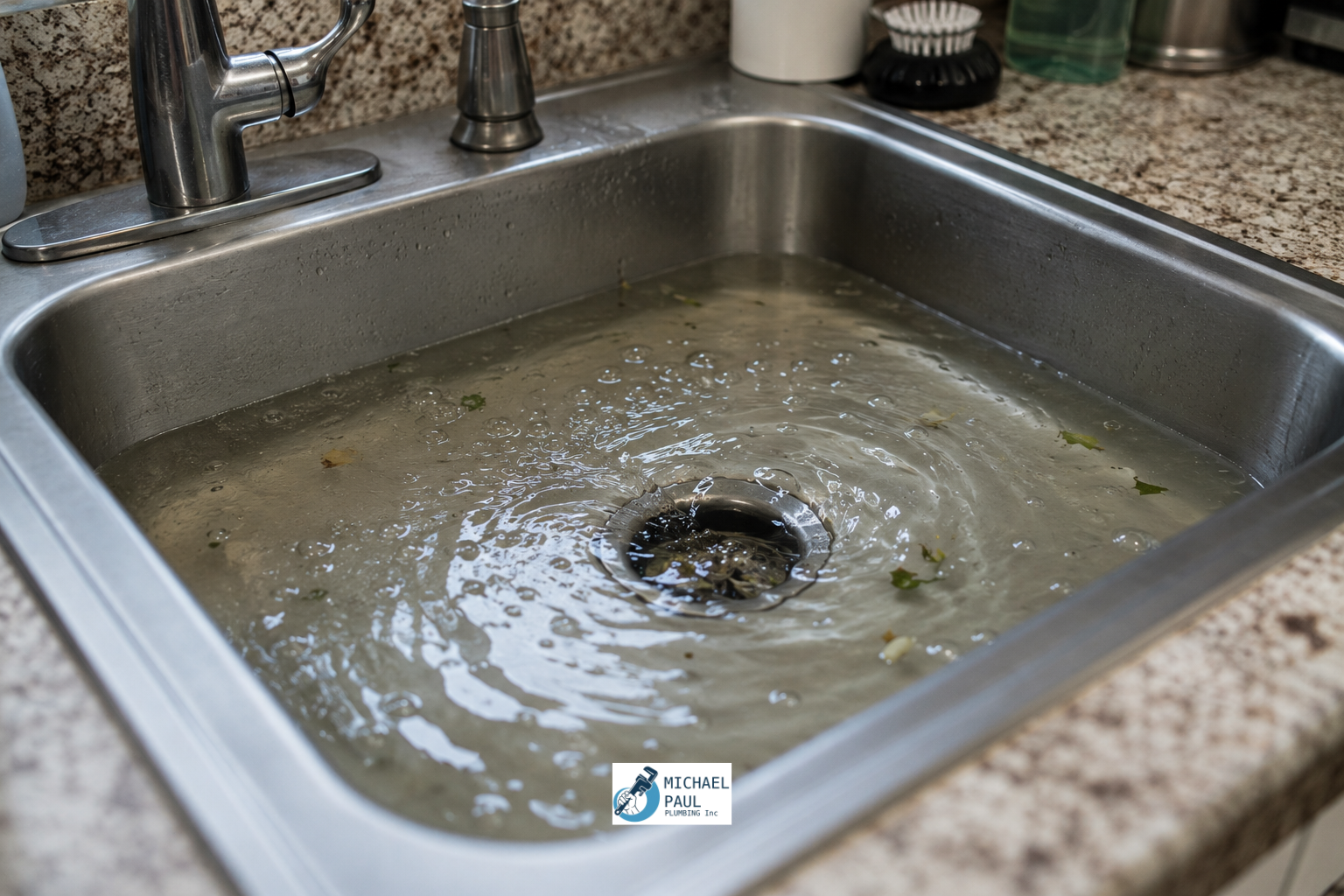
Sewer backups are urgent since they can expose your home to unsanitary wastewater. If multiple drains are gurgling, toilets are bubbling, or wastewater is rising in showers and tubs, the issue may be deeper than a single clogged fixture. Specialized help, like sewer rodding and repair, may be needed to clear the blockage and inspect for damage.
Water heater failures and flooding
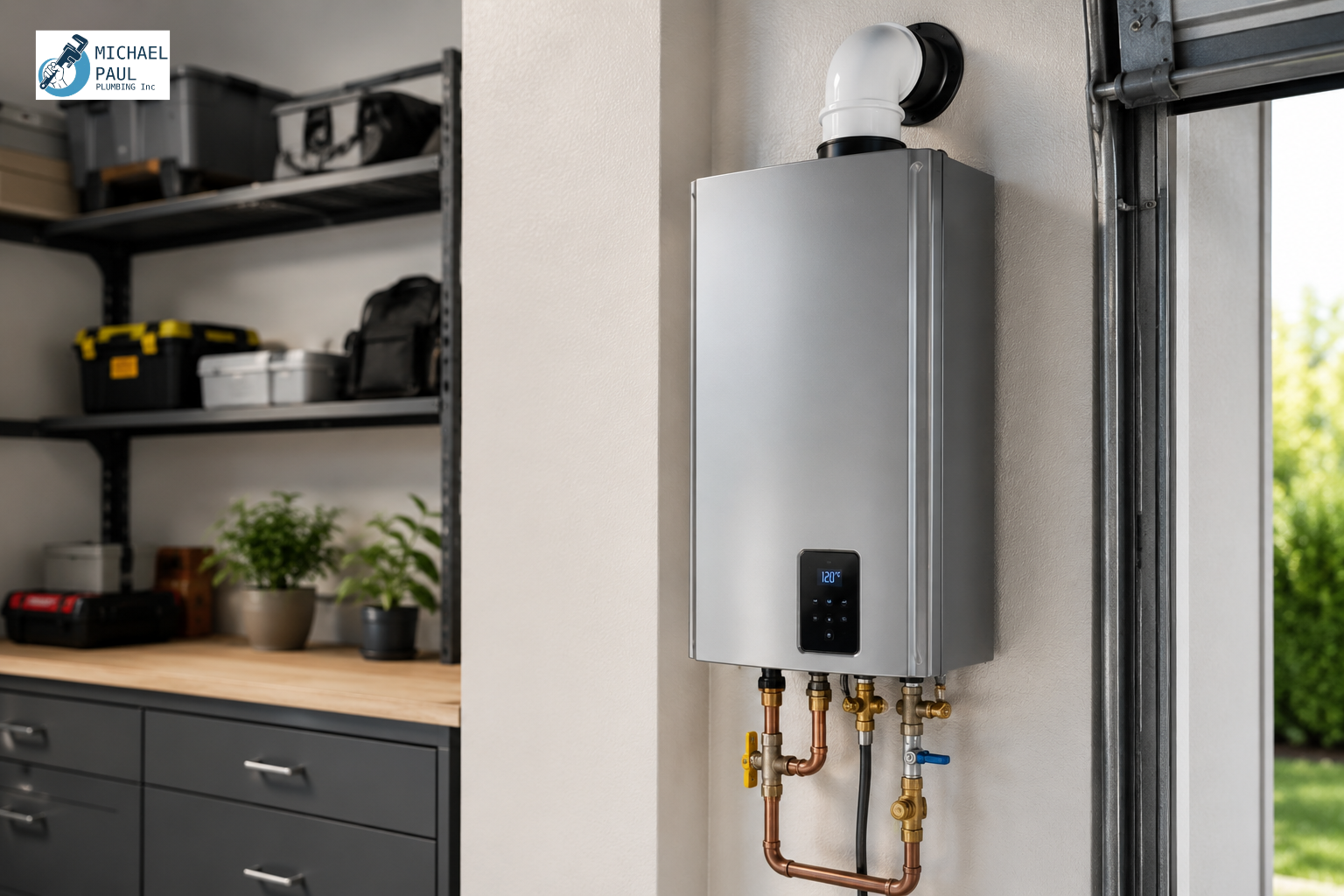
Water heater leaks can start small, but a damaged tank, failing valve, or loose connection can quickly lead to a flooded utility room. If your hot water stops working, you notice rusty water, or puddles form around the unit, shut off the water and power source immediately. For ongoing issues, our water heater services can assist with repair, replacement, and safe installation planning.
The First 10 Minutes: Immediate Steps That Limit Damage
Shut off the main water supply.
Stopping the water at its source is key. Locate your home’s main shut-off valve and turn it off as soon as you notice uncontrolled leaking, flooding, or pipe damage. If you don’t know where it is, find it now rather than waiting for an emergency. This simple preparation can save thousands in repair costs and water damage.
Turn off the electricity in affected areas.
Water and electricity don’t mix, so if water has reached outlets, appliances, or the basement near electrical systems, prioritize safety. If you can do it without stepping into standing water, shut off the power in the affected area at the breaker panel. The CDC’s flood safety information advises avoiding electrical hazards during water emergencies, which applies directly to plumbing incidents, too.
Contain the leak and protect belongings.
Once you’ve controlled the source, aim to reduce the spread. Place towels, buckets, or plastic sheeting under active drips, and move rugs, electronics, and furniture away from wet areas if it’s safe. If you have a wet/dry vacuum, use it carefully only after power has been secured. Protecting nearby belongings can significantly reduce secondary damage.
Who to Call and What to Tell Them
Call a licensed plumber right away.
After stabilizing the situation, contact a licensed professional who handles emergency calls. A qualified plumber can determine whether the problem is isolated or part of a larger issue, and they have the tools to diagnose hidden problems. If you need quick help, our team provides support through commercial plumbing services for business properties as well as residential care.
Give clear information on the phone.
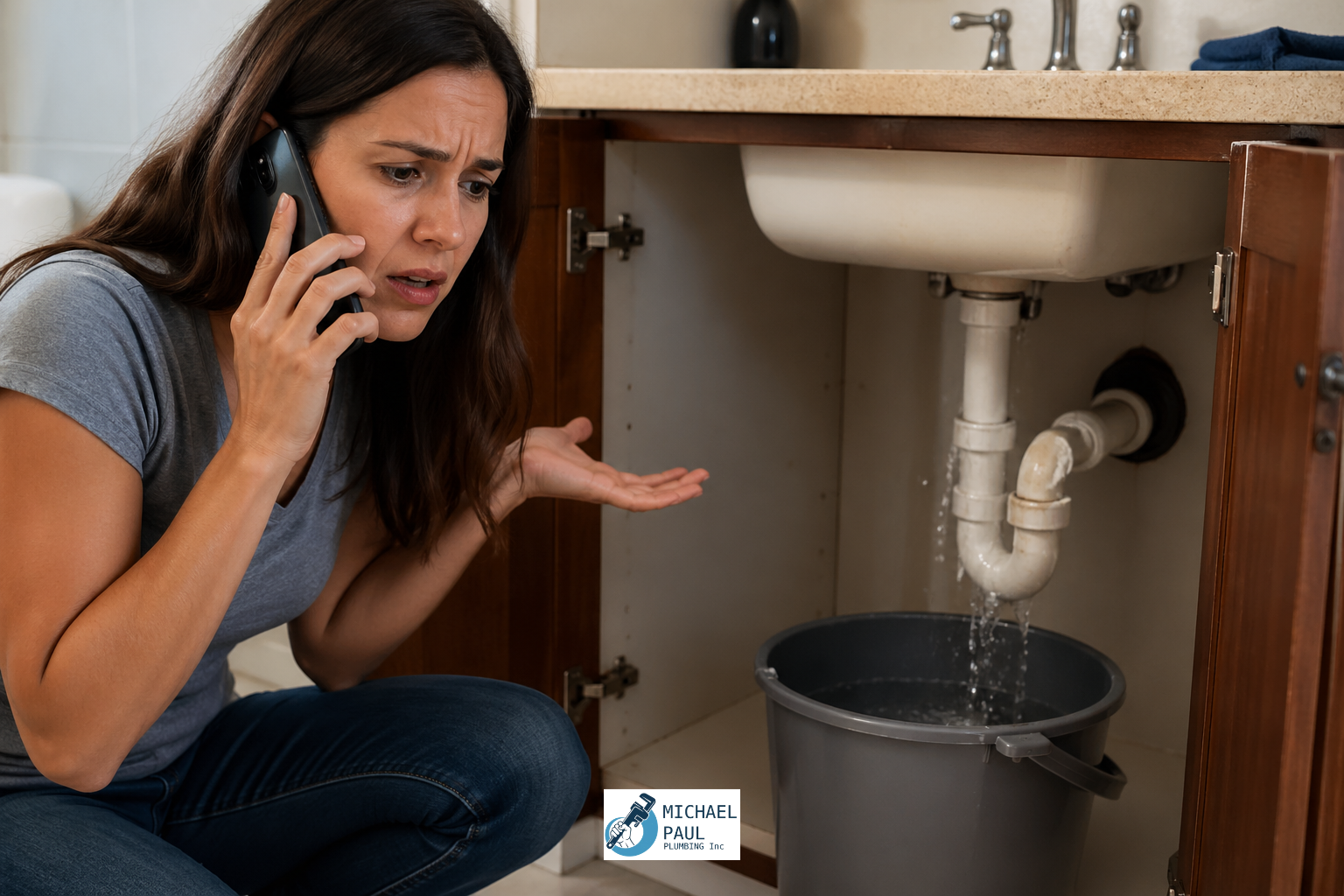
When you call, describe what you see, hear, and smell. Mention whether the water is clean or dirty, whether the leak is active or intermittent, and whether you’ve already shut off the main valve. If the problem involves flooding, gas, or a suspected sewer backup, mention that immediately so the technician can arrive prepared. Good communication speeds up diagnosis and helps the plumber bring the right equipment.
Know when the situation is urgent enough for immediate dispatch.
Some problems can wait until morning, but many can’t. A burst pipe, a sewer backup, a leaking water heater tank, or water near electrical wiring should be treated as emergency-level events. For situations involving gas smells or appliance connections, consider whether specialized gas pipe services are needed in addition to plumbing support. When in doubt, err on the side of speed and safety.
Why Plumbing Emergencies Happen in the First Place
Older pipes and material fatigue
Many emergencies start with aging infrastructure. Corroded metal pipes, worn fittings, and old joints can weaken over time until pressure or temperature changes cause failure. If your home has recurring leaks or discolored water, there may be broader wear in the system. Our pipe replacement warning signs guide can help you spot problems before they become full emergencies.
Clogs, buildup, and improper drain use
Kitchen grease, hair, wipes, and other debris can create stubborn blockages that lead to overflow or backflow. Many “sudden” emergencies actually develop gradually as drains slow down and pressure builds in the line. Simple habits matter a lot here, and our drain care tips explain how routine maintenance can keep water moving safely through the system.
Weather, flooding, and sump pump issues
Heavy rain, snowmelt, and freezing temperatures are major contributors to plumbing disasters in the Midwest. Basement flooding often becomes worse when sump pumps are not maintained or when backup power is unavailable during an outage. The National Weather Service flood safety page is a useful reminder that weather-related water events can escalate quickly, especially in homes with vulnerable lower-level plumbing.
Smart Home Tools and Eco-Friendly Trends That Reduce Risk
Smart leak detectors and automatic shut-off systems
One of the biggest trends in plumbing is the rise of smart leak detection. These devices alert homeowners to moisture, abnormal usage, or unexpected flow patterns, often before visible damage occurs. Automatic shut-off systems can take the next step by stopping water when a major leak is detected. For homeowners who want proactive protection, our smart plumbing solutions guide outlines how connected tools can reduce emergency exposure.
Water-saving fixtures and sustainable materials
Eco-friendly plumbing is not just about lower utility bills; it also supports system reliability. Water-efficient fixtures can reduce wear on drains, valves, and appliances by minimizing unnecessary strain. The EPA WaterSense program is a strong reference point for homeowners looking to choose efficient fixtures and conserve water without sacrificing comfort. Less waste often means less stress on the plumbing system overall.
Preventive maintenance is the most cost-effective trend
Across the industry, prevention is becoming the preferred strategy because it is cheaper and less disruptive than emergency repairs. Scheduled inspections, drain cleaning, sump pump checks, and early leak detection all help catch issues while they are manageable. If you are planning a major upgrade, remodeling plumbing services can also help ensure new fixtures and layouts are installed with future maintenance in mind.
Local Considerations for Homeowners in Arlington Heights
Basement flooding and seasonal storm pressure
Homes in the area can be affected by storm-driven flooding, especially when rainfall is intense, and drainage systems are under strain. In a recent local flooding example, homeowners with sump pumps and routine maintenance reported less interior damage than those without backup protection. That real-world difference highlights why emergency planning is so valuable. If your basement is prone to water intrusion, sump pump installation and repair should be part of your prevention strategy.
Backup power and flood resilience
During storms and power outages, a sump pump can fail just when it is needed most. That is why a battery or backup system is such a smart investment for homes with finished basements or stored valuables below grade. Our battery backup systems help keep critical flood protection running when the power grid does not cooperate. This can be especially important during overnight storms when response time is limited.
Local service availability matters
When an emergency happens, fast access to a trusted local professional matters more than anything else. A plumber who understands local housing styles, municipal expectations, and seasonal stressors can often diagnose the problem faster. If you want to prepare before a crisis, review our Downtown Arlington Heights service area page or explore nearby coverage options for your neighborhood. Knowing who to call before damage starts can save valuable time.
What Not to Do During a Plumbing Emergency
Avoid using DIY fixes that may worsen the problem.
It is tempting to tighten, tape, or patch a leak when panic sets in, but emergency plumbing is rarely the time for improvisation. Temporary fixes can mask the real source of the problem, increase pressure in the line, or make professional repair more difficult. If a leak is active or a drain is backing up, focus on safety and containment first, then wait for expert help.
Do not keep running water through a damaged system.
If a toilet is overflowing or a drain is backing up, continuing to flush or run taps can make the problem larger. The same is true if you suspect a hidden pipe break. Shut down the source, avoid adding more water, and keep everyone away from standing water if contamination is possible. This simple discipline can drastically reduce cleanup and restoration needs.
Do not ignore subtle warning signs.
Many emergencies start with warning signs like gurgling drains, low water pressure, discoloration, or small damp spots. These issues may seem minor, but they often point to a deeper problem in the system. For example, strange banging or whistling noises can indicate pressure problems or failing components, which is why our pipe-noise guide is worth reading before those symptoms turn into a crisis.
How Professional Plumbers Diagnose and Repair Emergencies
Inspection, leak tracing, and system isolation
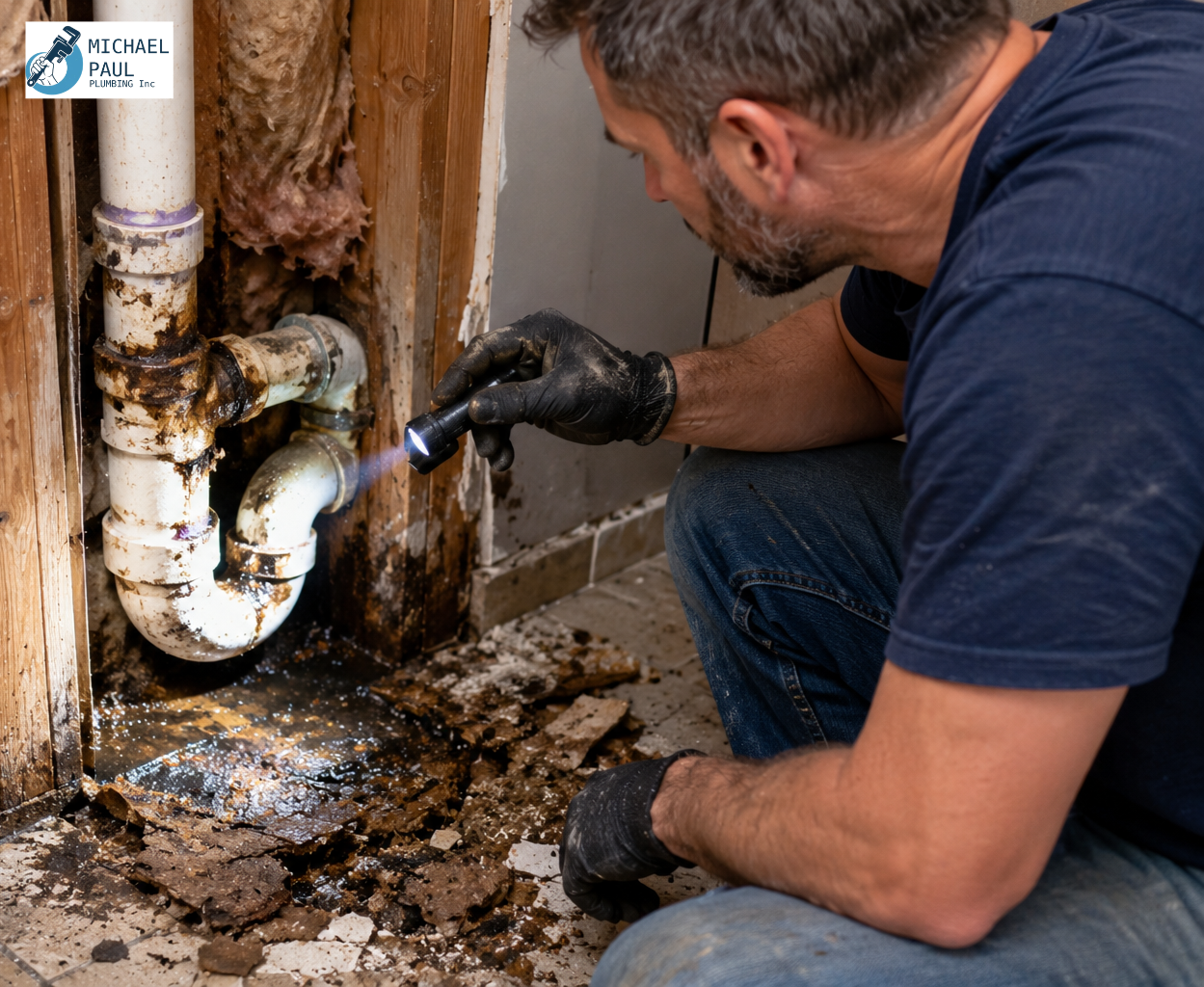
Once on site, a professional plumber will isolate the system, inspect the visible damage, and trace the source of the failure. Modern diagnostics may include pressure testing, camera inspections, and moisture mapping to find hidden leaks behind walls or under slabs. This method is faster and more accurate than guessing, and it helps ensure the repair addresses the true root cause rather than just the symptom.
Repair versus replacement decisions
Not every emergency needs a full replacement, but some systems are too compromised for a quick patch. A plumber may recommend repairing a section of pipe, replacing a corroded valve, or upgrading an outdated component when that approach is more reliable over time. In cases where a fixture or appliance is part of the problem, specialized services like garbage disposal services can restore function and prevent recurring drain issues.
Post-repair cleanup and verification
Good emergency service does not end when the leak stops. Final verification, drying recommendations, and follow-up inspection are important to make sure no hidden damage remains. Professional repair should leave you with more than a temporary fix; it should leave you with a clearer understanding of what went wrong and how to avoid it again.
How to Prevent the Next Emergency
Schedule regular plumbing inspections.
The best emergency plan is often a maintenance plan. Routine inspections can identify failing valves, early corrosion, sump pump wear, and drain buildup before they cause damage. Homeowners who stay ahead of small problems typically spend less over time and experience fewer disruptive surprises. If you are planning routine care, our home plumbing services can help keep your system in good working order year-round.
Keep an emergency checklist ready.
Every household should know where the main shut-off valve is, how to turn off electricity if needed, and who to call for help. Keep a flashlight, towels, gloves, and a phone charger in an easy-to-find location. If possible, save photos of your plumbing layout and main valve location on your phone so you can act quickly under stress. Preparation turns confusion into a process.
Pair prevention with seasonal action
Spring thaw, summer storms, fall maintenance, and winter freeze protection each require a different approach. Homes that receive seasonal attention are far less likely to suffer major water loss or pipe failure. For a broader maintenance approach, our year-round protection guide provides a practical framework for staying ready in every season.
Frequently Asked Questions About Plumbing Emergencies
How can I tell if the problem is an emergency?
If water is actively flooding, wastewater is backing up, electrical safety is involved, or a water heater is leaking, treat it as an emergency. Minor drips and slow drains can often wait for scheduled service, but anything that threatens safety or property should be handled immediately. When in doubt, call a plumber and describe the symptoms in detail.
What if I cannot find the main shut-off valve?
If you cannot locate the main valve quickly, do not waste precious time searching; if the leak is severe. Contact a professional immediately and, if necessary, call your water utility or emergency support for guidance. It is smart to identify the valve location during a calm moment so you are not forced to learn during a crisis.
Should I attempt a DIY repair?
DIY repairs are usually not recommended during an emergency because they can make the issue worse or delay proper service. Temporary containment is fine, but actual system repair should be left to a licensed professional. Emergency plumbing involves pressure, sanitation, and electrical risk, which makes expertise especially important.
Conclusion: Stay Calm, Act Fast, and Call for Help
A plumbing emergency is stressful, but a clear plan makes it much easier to manage. Shut off the water, secure electrical safety, contain the damage, and call a licensed plumber as quickly as possible. The sooner you act, the better your chances of reducing repair costs, limiting water damage, and protecting your home’s long-term condition.
Modern tools like smart leak detectors, backup sump systems, and water-efficient fixtures are making emergency prevention easier than ever. At the same time, basic preparedness still matters most: knowing your shut-off valve, recognizing warning signs, and having a trusted professional on call. If you want expert support for urgent repairs or prevention planning, contact Michael Paul Plumbing or explore our sump pump solutions, water heater services, and related plumbing options today. The right response now can save you from a much bigger problem later.