Why Your Plumbing Makes Strange Noises (And What They Mean)
Ever hear odd noises from your plumbing? Those bangs, whistles, or gurgles might seem like minor annoyances, but they can actually be warning signs of bigger issues. Let's dive into what these sounds mean and what you can do to prevent costly damage. If these noises are becoming routine, it might be worth checking out residential plumbing services before things get worse.
Today's plumbing systems are much quieter, thanks to flexible PEX piping and smart home water systems. However, noises still happen, like banging, rattling, and whistling. The EPA WaterSense program suggests that efficient water use and proper fixture performance are key to keeping your system in good shape. Let's break down the most common plumbing noises, what they usually mean, and some practical steps you can take.
Why Plumbing Noises Matter More Than You Think
Sounds are early warning signs
Strange noises can indicate an imbalance in your plumbing system. For instance, a banging pipe after a washing machine cycle might mean water is moving too quickly through the system. A whistling sink could suggest restricted flow, worn parts, or high pressure. These issues usually don't resolve themselves and could lead to leaks or fixture damage if ignored.
Noise can reveal hidden stress inside the system
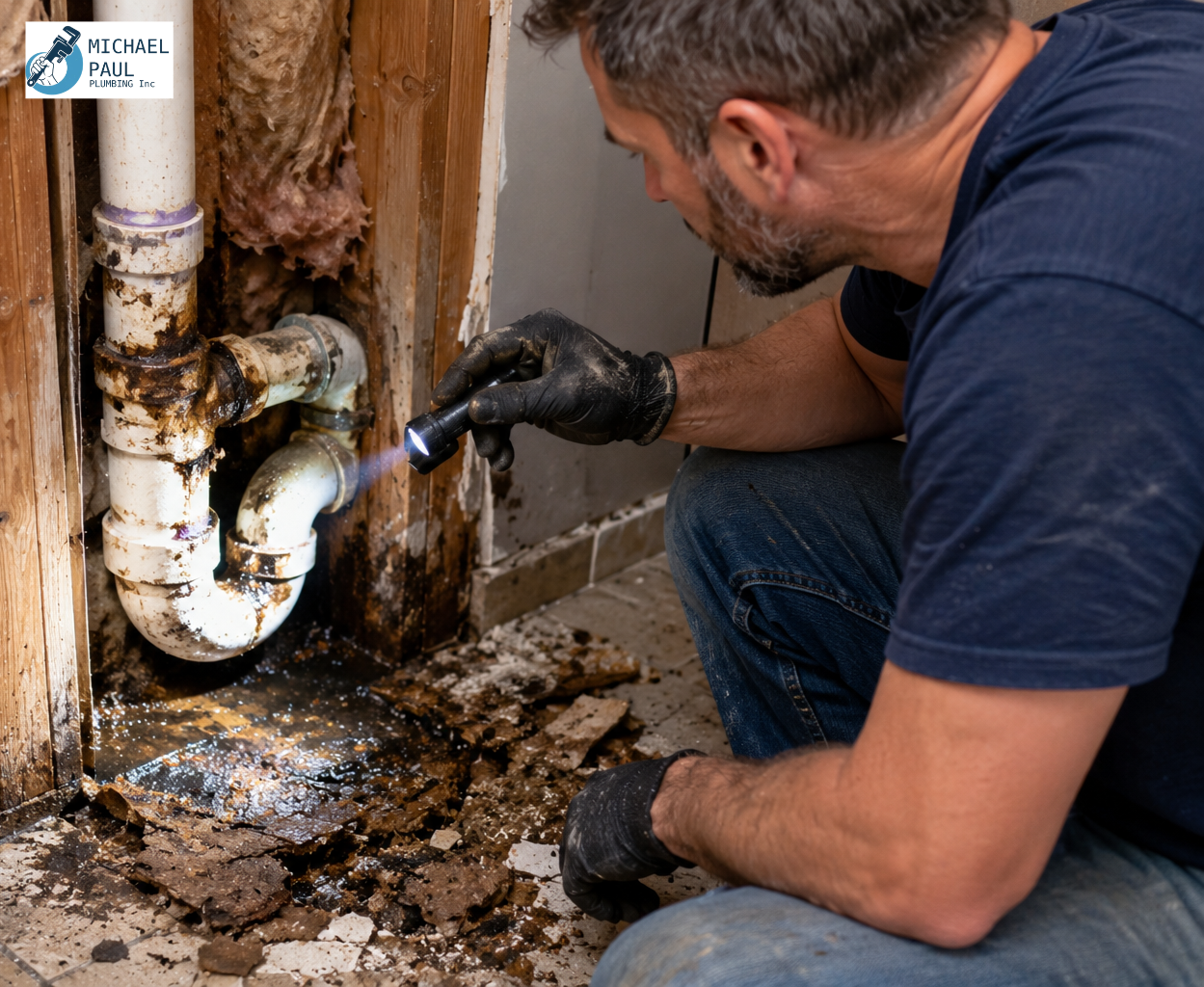
Not all plumbing issues are visible. Pipes might look fine on the outside, while noise is created by mineral buildup, corrosion, loose supports, or trapped air. That's why it's important to inspect your system regularly. If you're remodeling or upgrading, consider working with remodeling plumbing services to minimize future noise problems.
Ignoring sounds can cost more later
Small noises often lead to bigger repair bills. Repeated water hammer can loosen fittings and weaken connections, while gurgling drains might indicate partial blockages. Treat these sounds as maintenance alerts, not just background annoyances.
The Most Common Plumbing Noises and What They Usually Mean
Banging or hammering: the classic water hammer sound
That loud bang after you turn off a faucet? It's probably water hammer, caused by water stopping suddenly and creating a shockwave in the pipe. This can lead to pipes slamming against framing or fittings. Homes with fast-closing valves or high pressure might experience this more often. A water hammer arrestor can help absorb the shock and reduce the noise.
Whistling or squealing: pressure or restriction problems
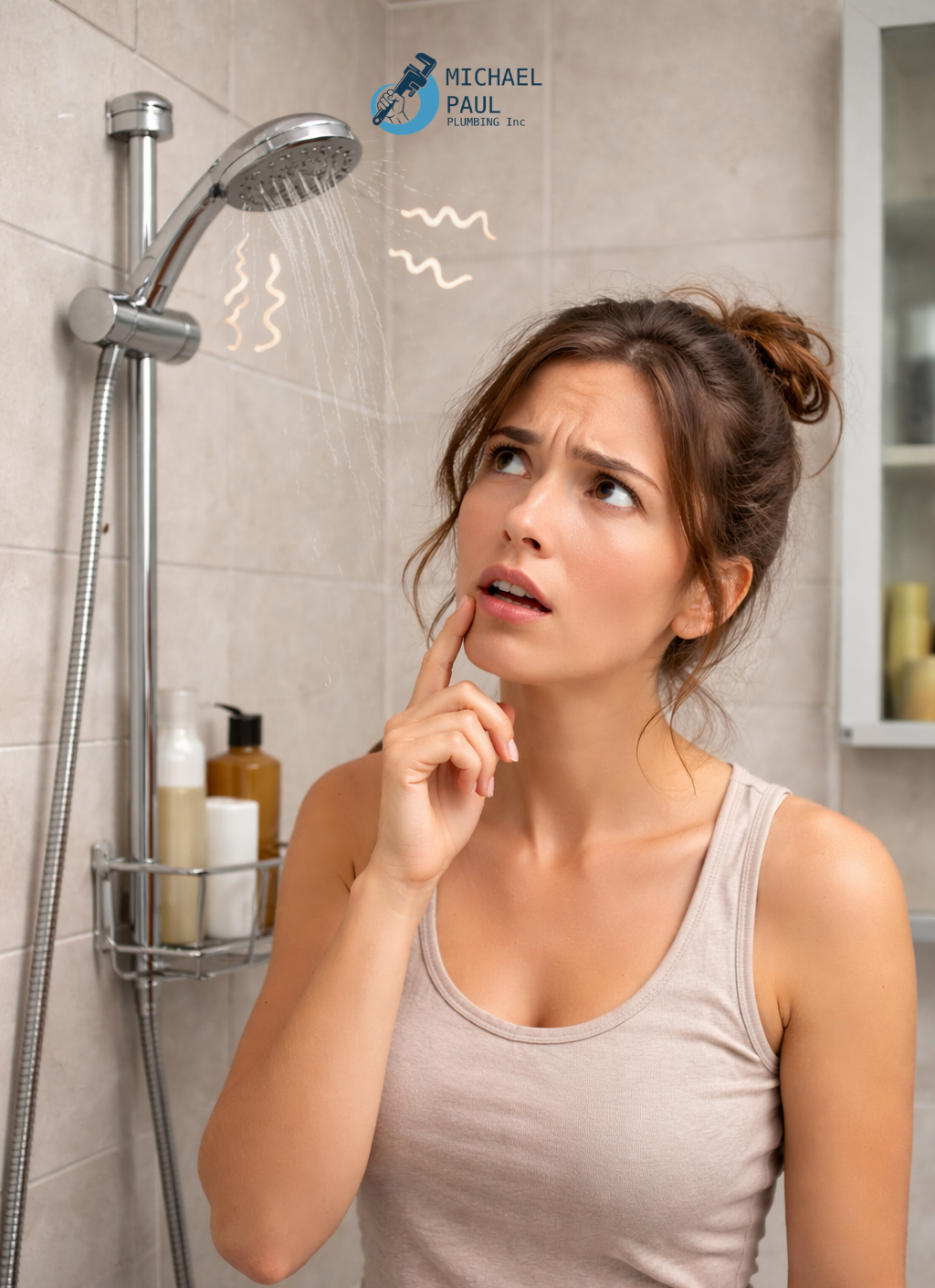
When water squeezes through a narrow opening, it can whistle or squeal. This is often due to worn washers, partially closed valves, or mineral deposits. The Plumbing-Heating-Cooling Contractors Association recommends pressure control and regular maintenance to keep things running smoothly. If you hear recurring whistling, a pressure-reducing valve might be worth looking into.
Rattling or vibrating: unsecured pipes or loose hardware
Rattling sounds usually mean a pipe is moving too much inside a wall, ceiling, or cabinet. Pipes should be properly supported with brackets or clamps to prevent this. It's especially important in older homes or areas with seasonal temperature swings. In Arlington Heights, for example, fluctuating weather can make these sounds more noticeable in colder months.
Gurgling: drainage and venting issues
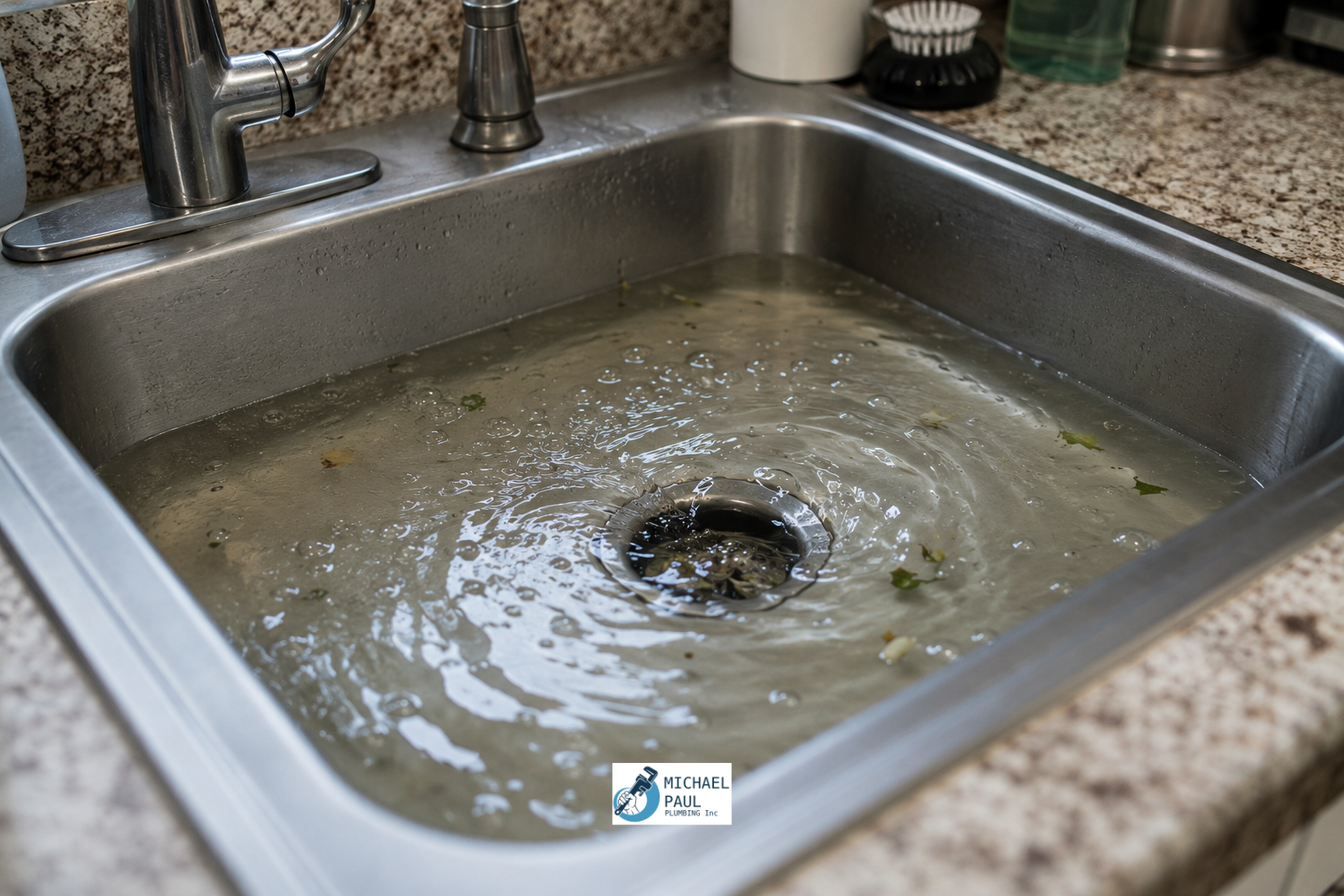
Gurgling typically means air is struggling to move through the drain system. This can happen with blockages, improper venting, or partial sewer line restrictions. If your drain gurgles after a sink empties or a toilet flushes, the plumbing system might not be venting properly. If it keeps happening, you might need sewer rodding and repair to clear the line.
Ticking or popping: expansion, contraction, or temperature changes
Pipes often tick, click, or pop due to temperature changes. Hot water can make pipes expand and rub against framing or fasteners, while cold weather does the opposite. In homes with limited insulation, these sounds can be louder. Pipe insulation can reduce friction and noise.
What Current Plumbing Trends Mean for Noise Reduction
Flexible PEX piping is changing the game
One big improvement in plumbing is the use of flexible PEX piping. It absorbs movement better than rigid metal, reducing water hammer and vibration. It's not a cure-all, but it's a great example of how new materials can make your home more comfortable and your system more reliable.
Smart home monitoring is becoming more practical
Smart leak detectors and water monitors aren't just for luxury homes anymore. They can track water pressure and usage in real-time, alerting you to potential problems before they become noisy. Homeowners interested in this proactive approach can check out smart plumbing solutions for more insights.
Noise reduction is now a design priority
Builders and plumbers now consider noise reduction during installations. Better pipe routing, upgraded mounting hardware, and improved insulation all help. If you're planning an addition, working with additions plumbing services can ensure new lines avoid future noise issues.
How to Diagnose Plumbing Noise Step by Step
Start by identifying when the sound happens
First, figure out when the noise occurs. Does it happen when the shower turns off, when the washing machine fills, or when a toilet flushes? Is it confined to one room or throughout the house? This helps narrow down the cause and whether it's pressure-related or connected to a specific fixture. Keeping a log for a few days can make troubleshooting easier.
Check visible fixtures and valves
Look for partially closed shutoff valves, loose supply lines, or worn faucet cartridges. Sometimes the fix is as simple as opening a valve fully or replacing a washer. Under-sink connections, toilet fill valves, and appliance supply lines are common noise sources. If a kitchen fixture seems to be the culprit, a professional inspection of garbage disposal services might help.
Evaluate water pressure
High water pressure often causes noise. If pressure is too high, faucets can hiss, pipes can bang, and appliances can wear out faster. A plumber can test the pressure and suggest a pressure-reducing valve if needed. For more on home water use and plumbing performance, check out the U.S. Department of Energy's Energy Saver resources.
Inspect drains and venting
If the sound is gurgling or bubbling, it's likely a problem on the waste side of the system, like blockages or vent issues. These problems can start subtly but lead to backups or bad odors. A professional can check if the vent system is working correctly or if there's a deeper obstruction.
When Plumbing Noises Point to Bigger Problems
Pipe corrosion and aging infrastructure
Older pipes can develop internal corrosion or scale buildup that narrows water flow, causing whistling and turbulence. Over time, this weakens the pipe and raises the risk of leaks. If you suspect aging pipes are noisy, read more about the signs your pipes might need replacement.
Drain blockages can begin as sound issues
Slow drains or repeated gurgles often signal buildup in the line. Soap residue, grease, hair, and debris can create partial blockages that reduce airflow and drainage speed. Early intervention can prevent full blockages and sewage backup. If the kitchen seems to be the issue, a professional evaluation might be necessary.
High pressure can damage appliances and fixtures
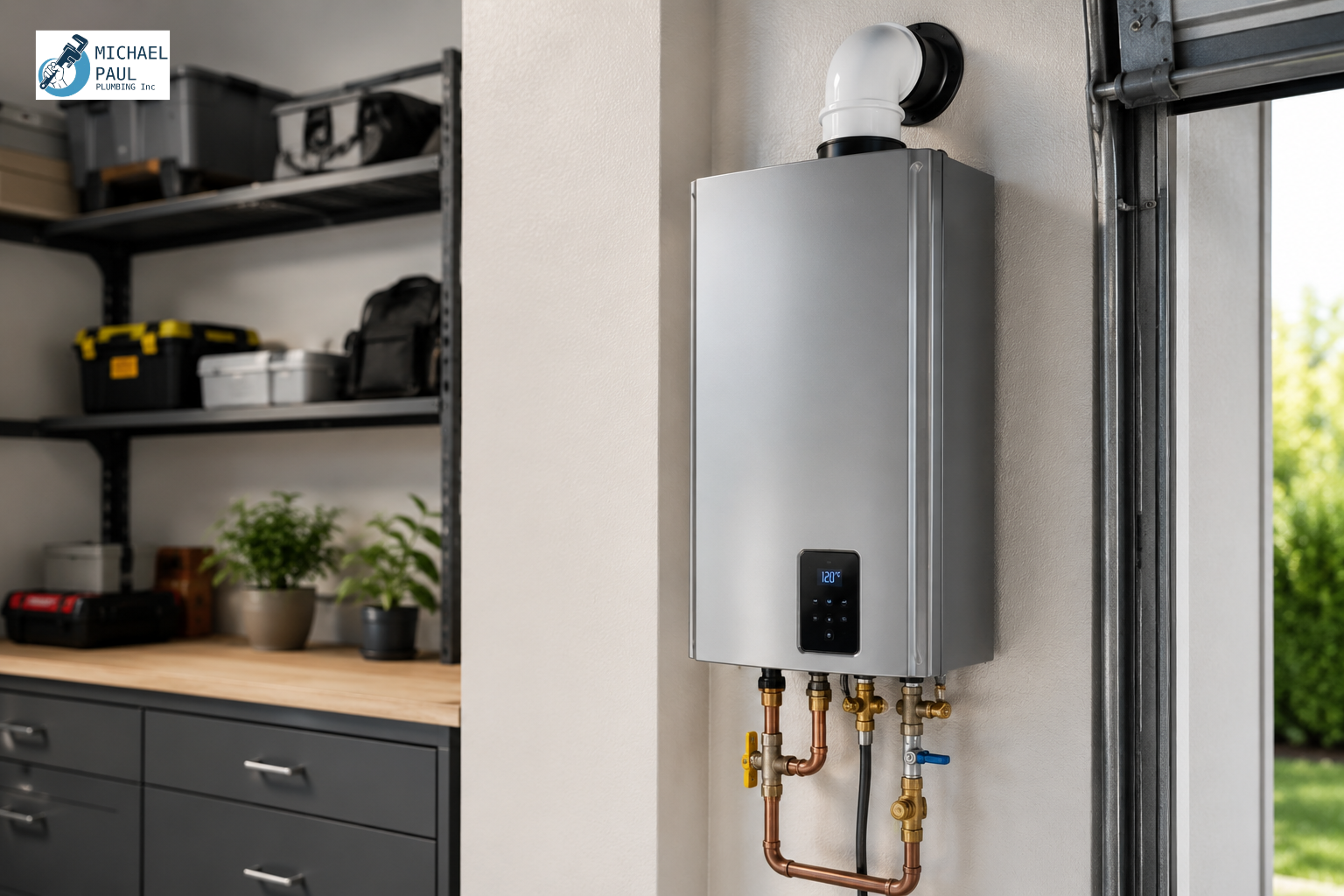
High-pressure noise isn't just about sound; it's about wear. Water moving too forcefully can strain washing machines, dishwashers, water heaters, and valves. Over time, this stress shortens the lifespan of plumbing components. If you want to learn more about choosing the right water heater, check out how to choose the right water heater for your home.
A Real-World Example from Arlington Heights
The symptom: banging pipes after each appliance cycle
A homeowner in Arlington Heights reported a loud banging sound every time the washing machine stopped filling. The noise became more frequent, and there was a slight vibration in a nearby wall and occasional whistling from a bathroom faucet. This indicated a broader system issue, not just one fixture.
The diagnosis: high pressure and loose support
The problem was high water pressure combined with unsecured pipes. The repeated water hammer was causing the pipes to hit framing members. With enough pressure, the issue got worse during quick shutoffs. This shows why sound should be a diagnostic clue, not just an annoyance.
The solution: pressure control and pipe stabilization
The fix involved installing a pressure-reducing valve and securing loose pipes with brackets. Once the pressure was adjusted, the banging stopped and the whistling decreased. The homeowner also received maintenance guidance to prevent future issues. This targeted approach can restore quiet and protect the system for years.
Preventive Maintenance That Keeps Your Plumbing Quiet
Schedule regular inspections
Regular inspections catch noise-producing issues early. A plumber can check for corrosion, loose supports, pressure irregularities, and early blockage signs. Maintenance also helps identify worn valves and leaks. For homes with basements or water-sensitive areas, consider pairing inspections with sump pump installation and repair for broader protection.
Use the right components for your home
Not every noise can be fixed with a quick adjustment. Sometimes, better system design, materials, or supports are needed. Water hammer arrestors, pressure regulators, pipe insulation, and quality fixtures all contribute to quieter operation. If a home is prone to outages or flooding, adding battery backup systems can keep essential equipment running and reduce plumbing stress during emergencies.
Watch for seasonal changes
Temperature swings can make pipes move, expand, and contract, so noises often worsen in winter or during weather changes. In Arlington Heights, these conditions affect both pipe behavior and water quality, especially if mineral content causes buildup over time. Stay aware of these patterns to distinguish between temporary sounds and issues that need service.
Frequently Asked Questions About Noisy Pipes
What causes my pipes to make banging noises?
Banging usually comes from water hammer, which happens when flowing water stops abruptly, sending a pressure wave through the pipe. This often occurs after appliances shut off or a valve closes quickly. A plumber might suggest an arrestor, pressure adjustment, or pipe stabilization.
Why do my pipes whistle or squeal?
Whistling often means restricted flow or high pressure. A partially closed valve, a worn washer, or mineral buildup can cause this. Persistent whistling might need pressure testing, as high pressure affects the whole plumbing system.
What does it mean if my drains gurgle?
Gurgling usually indicates air struggling to move through the drain or vent system due to a blockage, poor venting, or sewer line issue. If it repeats or comes with slow drainage, a professional evaluation is wise.
Are plumbing noises always serious?
Not always, but don't ignore them. Some noises are minor, like loose hardware or normal expansion. Others signal pressure problems, corrosion, or blockages needing attention. Investigate early to rule out major damage.
When to Call a Professional Plumber
The noise is getting louder or more frequent
If the sound has changed over time, it often means the underlying issue is progressing. A noise that once happened occasionally and now happens daily should be checked. Repeated symptoms usually point to a pressure, blockage, or support problem that won't disappear on its own.
You notice leaks, discoloration, or slow drainage
Noise combined with stains, puddles, rusty water, or sluggish drains can indicate a more serious plumbing problem. These signs often mean the system is no longer operating normally. At that stage, a general inspection is usually smarter than waiting for a failure.
You want a long-term fix, not a temporary patch
DIY measures can help in the short term, but recurring noise often needs a proper diagnosis. A professional can identify whether the issue is pressure, corrosion, venting, or movement and recommend the right combination of repair and prevention. For homeowners in need of dependable service, commercial plumbing services and other specialty solutions are also available when the problem involves multi-unit or business properties.
Final Thoughts: Quiet Plumbing Starts with Smart Maintenance
Strange plumbing noises are your home’s way of telling you something needs attention. Whether the sound is a bang, whistle, gurgle, rattle, or pop, there is usually a practical explanation and a workable solution. The sooner you identify the cause, the easier it is to prevent damage, reduce stress on fixtures, and keep your plumbing system operating quietly and efficiently.
If you are hearing persistent noises and want a professional opinion, Michael Paul Plumbing is ready to help with practical diagnostics, repairs, and preventive solutions. From pressure issues to drain blockages and pipe support concerns, the right service can make a dramatic difference. For expert help, contact our team at 504 S Arthur Ave, Arlington Heights, Illinois 60005, call +1 847 710 9333, or email info@localtrustedplumber.com. You can also learn more at localtrustedplumber.com and schedule the service that brings quiet back to your home.