How Pipe Materials Affect the Performance of Your Plumbing System.
Picking the right pipe material is a big deal in any plumbing project. What you choose impacts water quality, durability, costs, energy use, and how long everything will last. Whether you're planning a remodel, replacing old pipes, or starting from scratch, knowing your pipe materials helps you make smart choices for the long haul. If you have a big project in mind, our residential plumbing services can help you find the right fit for your home.
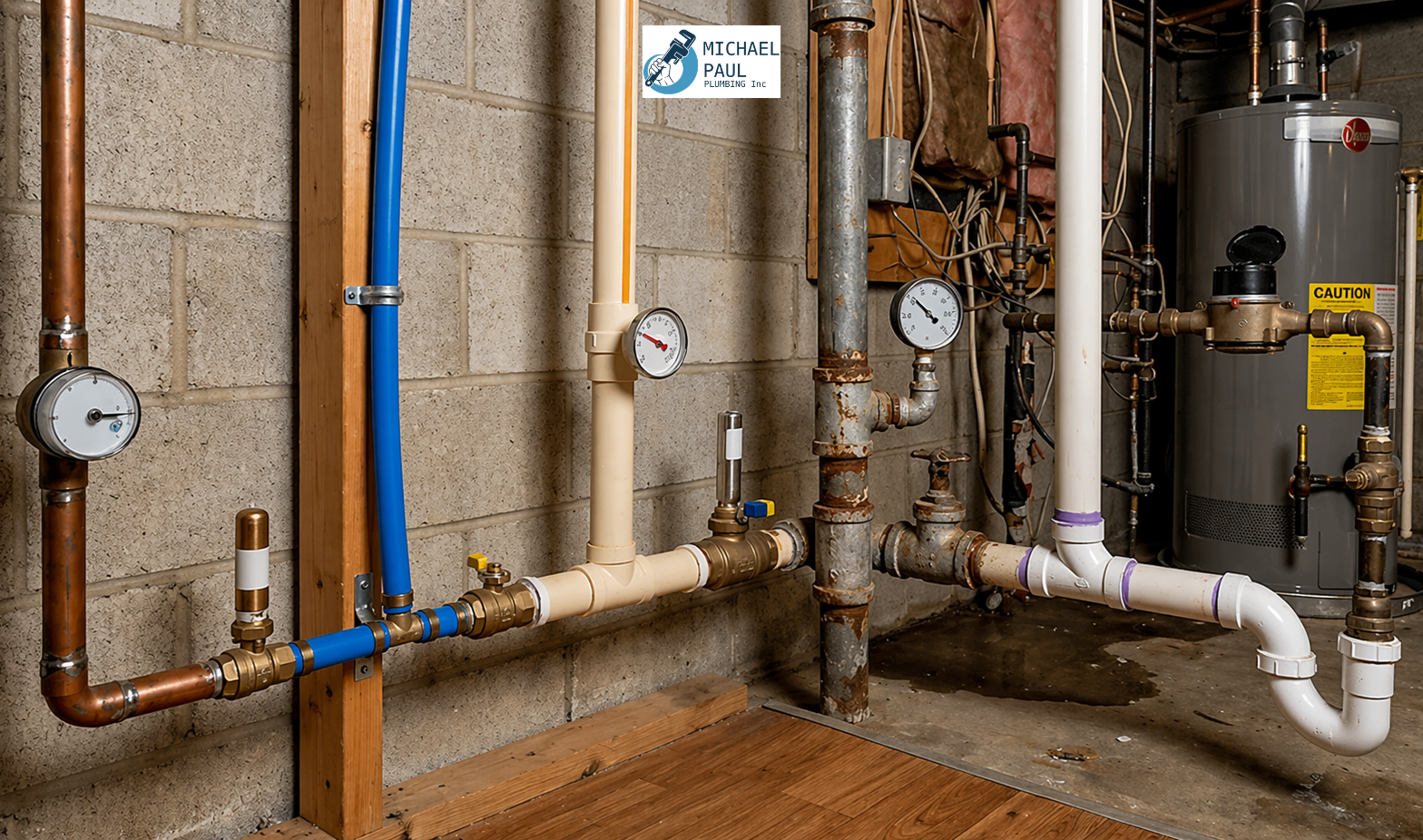
Plumbing today is a lot more than just copper and steel. You can choose from PVC, CPVC, PEX, copper, stainless steel, polypropylene, and high-density polyethylene, among others. Each has its pros and cons, and the best choice depends on factors like pressure, temperature, water chemistry, budget, and application. For more on keeping your systems up to date, check out our guide on when your pipes might need replacing.
In this article, we'll look at how different pipe materials affect plumbing performance, what trends are emerging, and how to pick the best material for different situations. We'll also touch on sustainability, smart plumbing systems, and practical examples to help you make informed decisions. For more on home maintenance, see our seasonal plumbing problems guide to keep your system protected year-round.
Why Pipe Material Matters More Than Most People Realize.
Performance starts with the pipe.
Pipe material isn't just a tiny detail. It affects how water moves, resists corrosion, and handles temperature changes and pressure. A strong pipe with poor chemical resistance can fail early, while a flexible one in the wrong spot might sag or become noisy. The best plumbing systems balance material properties with what the property needs.
Take hard water systems, for instance. Scale buildup can shorten the life of certain materials and reduce flow efficiency. In corrosive environments, metal pipes might not last as long as plastic alternatives. That's why pros don't just go with the cheapest option. They evaluate the whole system. In commercial settings, our commercial plumbing services consider usage volume, code requirements, and long-term reliability.
Efficiency and lifespan go hand in hand.
Every pipe material has its own expected service life and maintenance needs. Plastic pipes like PVC and PEX often resist corrosion well and can last for decades if installed correctly. Copper is durable and handles heat well, but water chemistry can affect it, and it's usually pricier. The better the material fits the job, the better the system will perform over time.
Data shows a growing preference for plastics. Research indicates that plastic pipes account for over 70% of new plumbing systems worldwide, with PVC being popular due to its low cost, light weight, and corrosion resistance. For a broader view on plumbing standards, the International Association of Plumbing and Mechanical Officials offers resources explaining why material selection matters in installations.
The Most Common Pipe Materials and How They Compare.
PVC and CPVC: Affordable and versatile.
PVC is popular for drain, waste, and vent lines because it's lightweight, affordable, and resistant to corrosion. CPVC is similar but handles hotter water, making it a common choice for some supply lines. These materials are relatively easy to install, which lowers labor costs and makes them appealing for both residential and commercial projects. This popularity is a big reason plastic piping is a go-to in modern plumbing systems.
But PVC and CPVC need careful selection. PVC is generally not for high-temperature potable water distribution, while CPVC works better in hot-water applications but has its own limitations. Proper support and code-compliant fittings are just as crucial as the pipe itself. If you're planning a kitchen or bath upgrade, our remodeling plumbing services can help you determine where these materials fit best.
PEX: Flexible, efficient, and popular.
PEX is a hot topic in modern plumbing because it combines flexibility with strong resistance to scaling and corrosion. Its ability to bend around corners reduces the number of fittings needed, saving time and creating fewer potential leak points. Experts appreciate PEX for its pressure tolerance and adaptability in residential and light commercial water systems. Reports show PEX adoption increased by 24% between 2021 and 2024.
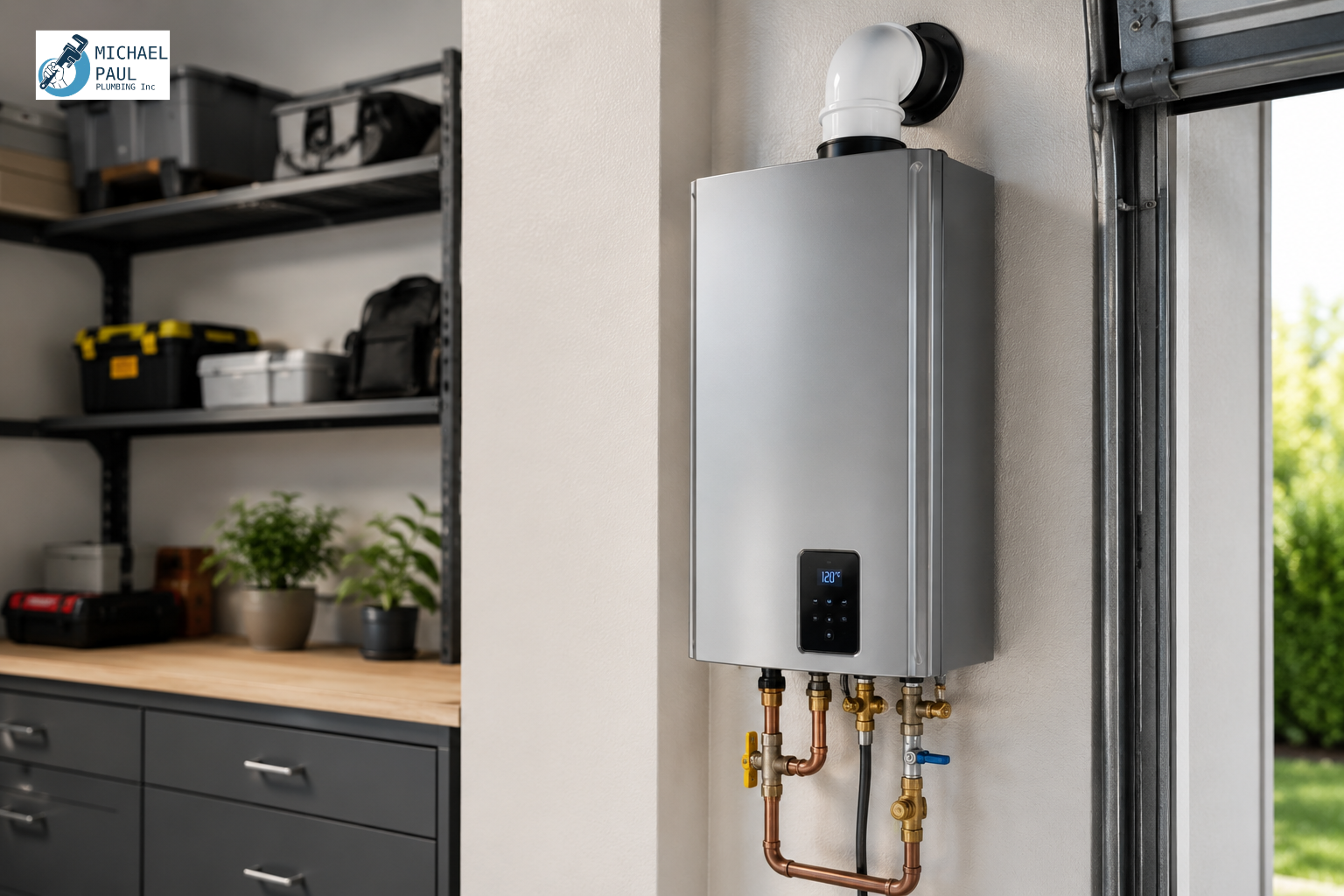
PEX is handy for running lines through tight spaces or retrofitting older homes. Since it's less rigid than metal, it can also reduce some water hammer noise when installed right. But it should be protected from prolonged UV exposure and installed with the correct connections to avoid future issues. For water-heating tie-ins and hot-water system planning, our water heater services can help make sure your piping and equipment work well together.
Copper, stainless steel, and specialty materials.
Copper is a premium choice in plumbing because it has a long track record, handles high temperatures, and performs reliably in many applications. It's often picked for its durability and traditional metal look. Stainless steel and polypropylene are also useful in situations where chemical resistance or heavy-duty use are important. In industrial settings, picking the right material is key because system failure can disrupt operations and increase repair costs.
Our experience with complex systems shows that no single pipe material is perfect for every job. Some places benefit from black steel or stainless steel, while others need polypropylene or HDPE for corrosion resistance. That's why our industrial plumbing services focus on planning for specific applications rather than a one-size-fits-all approach. The right choice depends on factors like pressure, fluid type, and temperature.
How Pipe Materials Influence Durability and Maintenance.
Corrosion resistance can extend system life.
Corrosion is a major reason pipes fail early. Metal pipes exposed to water chemistry, oxygen, and minerals can corrode from the inside out, leading to leaks and pressure issues. Plastic pipes aren't vulnerable to rust in the same way, which often gives them an edge in maintenance. That's a big reason PVC and PEX are common in newer systems.
Industry reports show PVC now makes up more than 55% of plumbing pipe markets because it's lightweight, resistant to corrosion, and economical to install. Homeowners trying to avoid repeated repairs can relate. If you want to spot warning signs before failure, our article on strange pipe noises and what they mean can help identify material wear affecting performance.
Scale and sediment affect materials differently.
Hard water can leave mineral deposits inside pipes, especially when water is heated repeatedly. Over time, scale can narrow a pipe, slow flow, and make fixtures perform poorly. PEX is often praised for its resistance to scaling, which can help maintain flow efficiency in challenging water conditions. Copper can perform well, too, but it may still be affected by water chemistry.
The takeaway is simple: a pipe that looks fine outside may still underperform inside. Regular inspections, water testing, and material-specific maintenance help catch problems before they need major repairs. Sometimes, a small upgrade to pipe material can boost reliability, water pressure, and fixture performance.
Sustainability and the Rise of Smarter Plumbing Systems.
Lower waste and longer service life help sustainability.
Sustainable plumbing materials are on the rise as property owners look to reduce waste, lower energy use, and improve water efficiency. Longer-lasting pipes mean less landfill waste and fewer service disruptions. Lightweight plastic pipes often require less energy to transport and install compared to heavier metals, reducing a project's environmental impact.
For eco-friendly upgrades, material selection is just one piece of the puzzle. Efficient fixtures, good design, and leak prevention all work together with the pipe system. If sustainability is a priority for you, our sustainable plumbing practices guide offers more ideas for reducing waste and improving efficiency.
Smart plumbing systems improve monitoring and response.
Smart plumbing systems are gaining traction as they help detect leaks, monitor water pressure, and identify unusual usage patterns early. This is important because even the best pipe material can be compromised by hidden leaks or unexpected pressure spikes. Sensors and connected monitoring tools make it easier to respond before small issues become big problems.
The U.S. Environmental Protection Agency’s WaterSense program is an example of how efficiency and conservation can work together in modern plumbing. As material technology and smart monitoring evolve, the best systems will combine durable pipe choices with proactive detection and maintenance.
How to Choose the Right Pipe Material for Your Project.
Start with the application, not the trend.
The best pipe material depends on what the system needs to do. Drain lines have different needs than hot-water distribution, and industrial lines differ from a home bathroom remodel. Start by identifying the pressure, temperature, water quality, and expected system usage. Then consider code requirements, installation access, and long-term serviceability.
That's where professional guidance is valuable. A material that's ideal for one project may not be for another, even if both seem similar. For example, a flexible material may help in a remodel with tight access, while a more rigid pipe may be better for high-temperature use. For expansion work, our additional plumbing services can help integrate new pipework into existing systems.
Balance cost, lifespan, and future maintenance.
Budget matters, but so does the total cost of ownership. A cheaper pipe may seem attractive at first, but it can become costly if it needs frequent maintenance or early replacement. In contrast, a pricier material may save money over time by reducing labor, repairs, and water loss. That's why professionals consider not just installation cost but also lifecycle performance.
When comparing options, ask how each material handles pressure, heat, noise, corrosion, and repair access. Also, think about future changes. If you expect remodels or equipment upgrades, a more adaptable pipe material might make sense. For related planning help, our guide on why rough-in plumbing matters explains how early decisions impact long-term performance.
What the Data Says About Industry Trends.
Plastic piping is on the rise.
Current trends show a shift toward plastic pipe materials, especially PVC, CPVC, and PEX. Research summaries indicate plastic pipes account for over 70% of new plumbing systems worldwide, driven by cost efficiency and corrosion resistance. PVC alone holds a major share because it's easy to handle and offers long service life with low maintenance.
The research you provided notes that PVC can last over 50 years under the right conditions. This makes it appealing for those seeking reliable performance without frequent replacements. More plumbing systems are designed with materials that reduce maintenance and support long-term efficiency rather than just meeting minimum code requirements.
PEX is growing because flexibility matters.
PEX adoption has risen quickly because it solves installation challenges. It's flexible enough to reduce fittings, durable for water distribution networks, and resistant to scaling and corrosion. The 24% increase in PEX adoption between 2021 and 2024 shows its value for speed, adaptability, and reliability. This is especially useful in retrofits with hard-to-reach old pipe paths.
For property owners, this trend means more options and better system customization. For plumbers, it means more responsibility to match the material to the job and the code. It's no longer enough to install "what's always been used." The smartest systems now combine material science, water efficiency, and installation best practices.
Real-World Example: Matching Materials to the Property.
Residential, commercial, and specialty cases.
In a typical home, PEX might be great for supply lines because it can reduce installation time and perform well under normal residential conditions. PVC might be preferred for drains and vents due to its affordability and corrosion resistance. In a restaurant or office building, commercial pressure demands and fixture volume may lead to a different design strategy with multiple materials for different system parts.
Heavier-use settings might opt for metal, polypropylene, or HDPE based on durability and chemical resistance. This tailored approach is common in Arlington Heights, where experienced plumbing teams often work with mixed materials depending on the property type and age. If your project involves a business property, our commercial plumbing services can help find the most practical and compliant option.
Local expertise matters in retrofitting older systems.
Older buildings often have a mix of legacy materials, complicating material selection. A replacement line might need to connect to existing copper, steel, or plastic components without compatibility issues. Local code knowledge, water conditions, and system design all influence the best choice. That's why local expertise is valuable when planning any plumbing upgrade.
For homeowners and business owners in the area, working with a trusted local team can help avoid mismatched materials and future failures. Local service providers like Arlington Heights pipe fitting specialists highlight how important precision and code-ready work are for long-term results. The right material choice today can prevent expensive repairs tomorrow.
Expert Tips for Better Plumbing System Performance
Inspect before you replace.
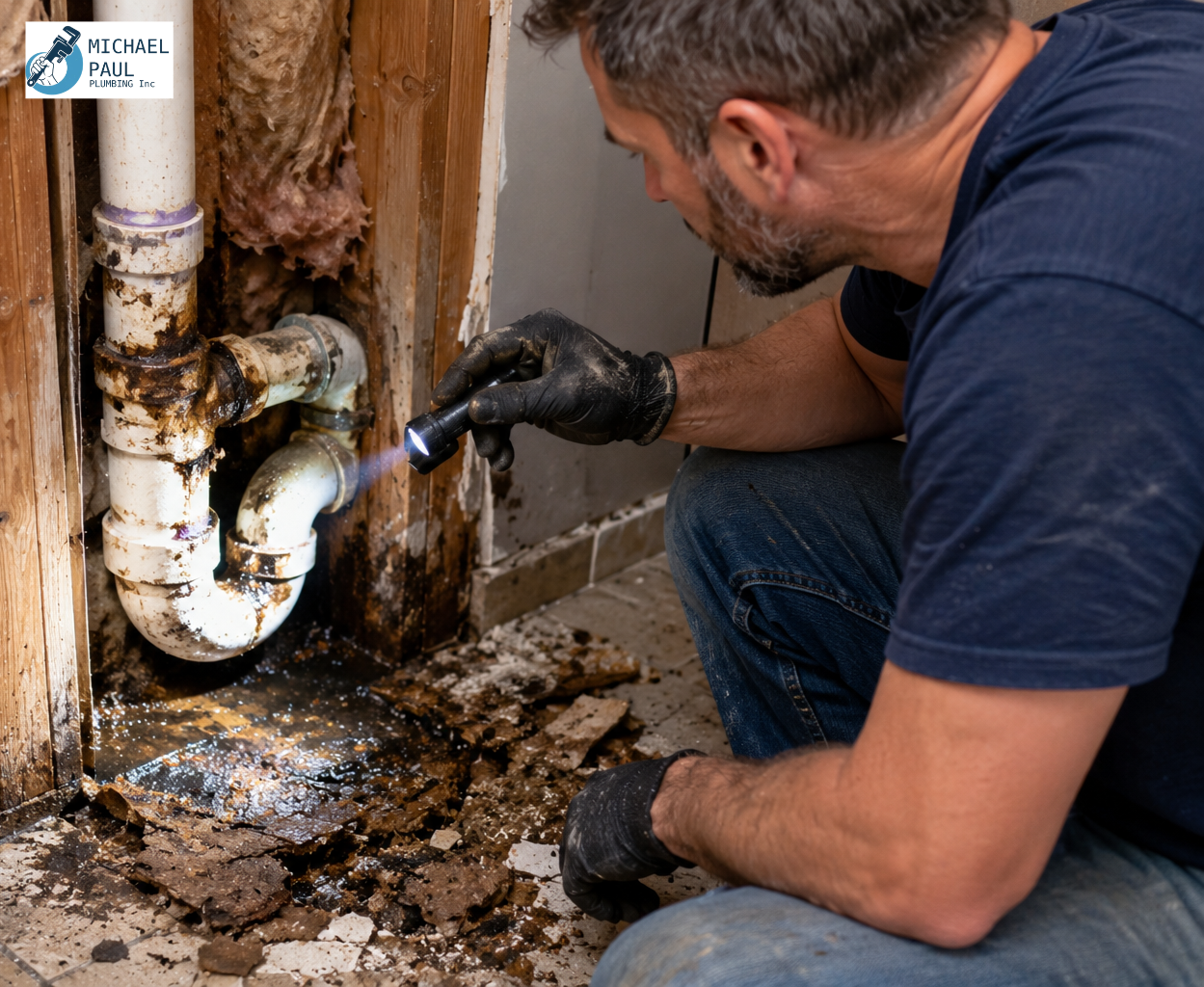
Before committing to a full replacement, inspect your system carefully. Look for visible corrosion, low pressure, noise, stains, leaks, and mineral buildup signs. Sometimes, only a small section needs replacing, while the rest can stay. A targeted upgrade might be the most cost-effective solution if the infrastructure is still sound.
A professional inspection also helps determine if the current pipe material is the problem or if it's due to installation, pressure, or fixture wear. That distinction matters because replacing the wrong part can waste money without solving the issue. If you suspect hidden damage, our sewer rodding and repair services can help address downstream problems that sometimes mimic pipe material failure.
Plan for water heaters, fixtures, and future upgrades.
Pipe material decisions should consider the whole system. A new water heater, bathroom remodel, or kitchen upgrade might require different temperature tolerance, flow capacity, or connection methods. That's why plumbing planning should look beyond immediate repairs and anticipate future use. Coordinating pipe work with fixture and appliance upgrades creates a smoother result.
That same planning mindset applies to flood protection and backup systems. For homes with vulnerable basements or utility rooms, piping decisions may need to support sump pump routing and emergency drainage as well. Our sump pump installation and repair, and battery backup systems can help keep the plumbing system resilient during storms or outages.
Conclusion: Smart Pipe Choices Create Better Plumbing Performance.
Material selection shapes the whole system.
The performance of your plumbing system relies heavily on the pipe materials. PVC, CPVC, PEX, copper, stainless steel, and specialty materials each have different strengths. The best systems match those strengths to the needs of the property, water conditions, and daily use demands. When that happens, homeowners and businesses get better efficiency, fewer repairs, and longer service life.
As the industry continues to move toward more durable and efficient materials, pipe selection remains a vital part of smart plumbing design. The rise of plastic pipes, the growth of PEX, and the adoption of smart monitoring point to a future where systems are easier to maintain and more cost-effective. If you plan a project and want expert input, Michael Paul Plumbing is here to help choose the right solution for long-term performance.
Take the next step with professional guidance.
If you're unsure which pipe material fits your home or business, start with a professional assessment. A qualified plumber can evaluate your current system, identify weak points, and recommend the most suitable materials for replacement or new installation. For more on plumbing upgrades, check out our guide on why quick plumbing fixes can cost more. The right decision now can save time, water, and money later.
Contact Michael Paul Plumbing at localtrustedplumber.com or call +1 847 710 9333 to discuss your plumbing project. Whether you need a simple repair, a full repipe, or help comparing materials for a remodel, our team is ready to provide practical recommendations and dependable service.
Ready to improve your plumbing performance? Reach out today and get expert help choosing pipe materials that support durability, efficiency, and peace of mind.