Why Rough-In Plumbing Is a Key Stage in Construction
Rough-in plumbing is the backbone of any plumbing system and one of the most important phases in construction. In this article, you'll learn what rough-in plumbing includes, why it matters for the long-term health of a building, the latest industry trends affecting this phase, and tips to avoid costly rework. Whether you're a homeowner planning a remodel, a general contractor coordinating trades, or a property manager overseeing a new build, understanding rough-in plumbing will help you make better decisions on cost, timeline, and compliance. For Arlington Heights residents and professionals, local code compliance and practical planning are essential; if you need hands-on support, our residential plumbing services team can help guide your project.
1. What Is Rough-In Plumbing? The Basics
1.1 Definition and Scope
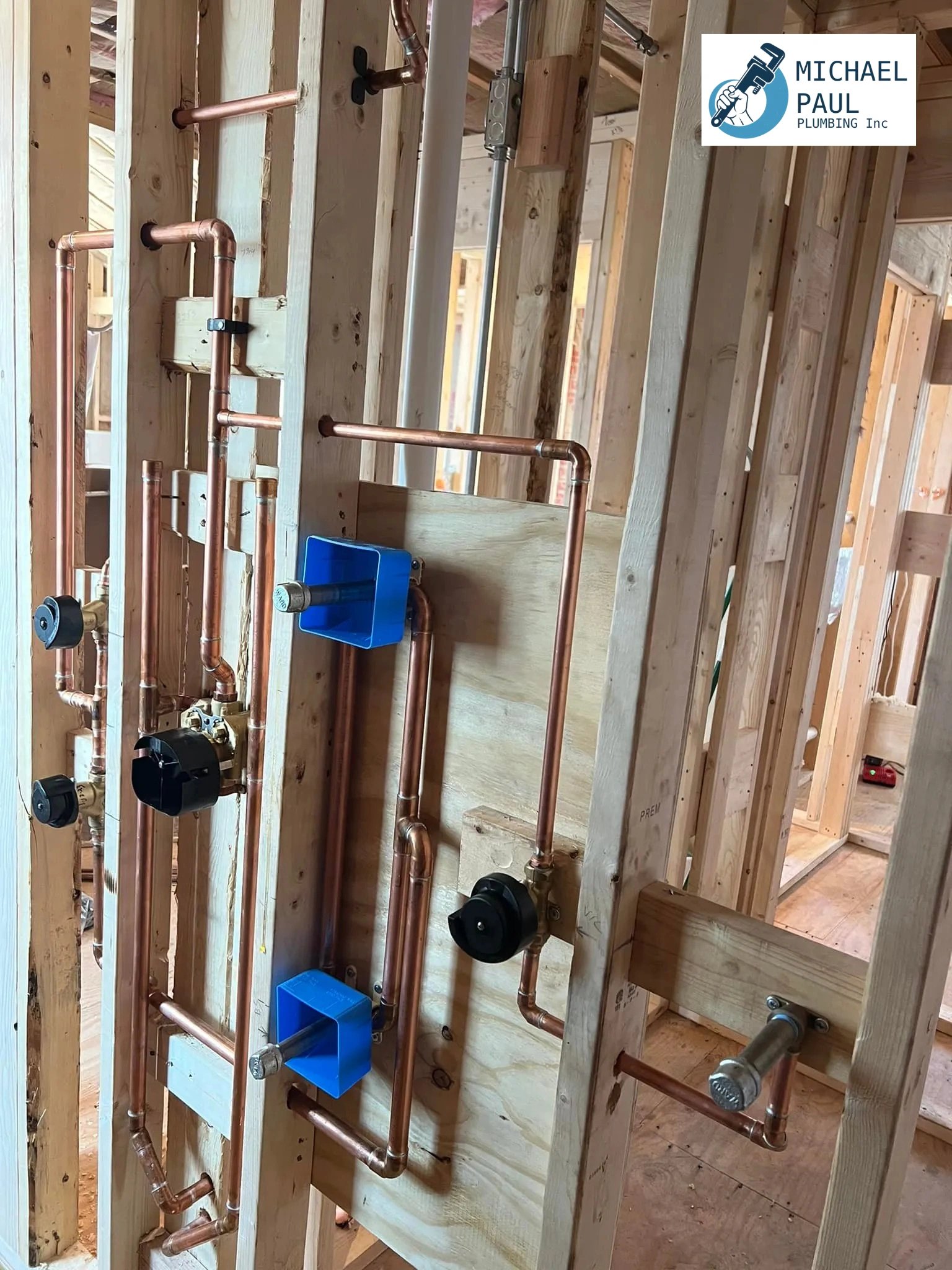
Rough-in plumbing refers to the installation of the fundamental plumbing infrastructure before walls, ceilings, and floors are closed up. This includes running water supply lines, installing drain-waste-vent (DWV) piping, placing vent stacks, and making stub-outs for future fixtures such as sinks, toilets, tubs, and showers. The rough-in stage is distinct from finish plumbing, where fixtures are connected, tested, and turned on; rough-in is about creating a reliable, code-compliant framework inside the structure that will support those final connections.
1.2 Typical Components Installed During Rough-In
During rough-in, plumbers typically install cold and hot water distribution piping, main and branch sewer lines, venting systems to maintain atmospheric pressure, and gas lines where applicable. They also set locations for cleanouts, sump pumps, and water heater connections so future installation and maintenance are straightforward. Correct placement and slope of drain pipes, secure anchoring of supply lines, and thoughtful routing to avoid collisions with framing and electrical runs are essential tasks at this stage.
1.3 Timeline and Where It Fits in Construction
Rough-in plumbing usually occurs after framing and before insulation and drywall. The exact duration can vary: small residential projects may take a few days, while large residential or commercial builds can require weeks. Coordination with other trades is critical because once drywall goes up, reopening walls to fix plumbing is expensive and disruptive. Scheduling rough-in early and allowing adequate inspection time helps keep projects on track and avoids costly delays.
2. Why Rough-In Plumbing Matters: Functionality, Longevity, and Safety
2.1 Establishing System Functionality
Rough-in sets the hydraulic layout that determines water flow, drainage efficiency, and venting performance. If pipe sizes, slopes, or venting are incorrect, fixtures can suffer from slow drains, siphoning, or sewer gas infiltration. A well-executed rough-in ensures water travels where it should and waste exits the building efficiently, delivering dependable functionality once fixtures are installed.
2.2 Protecting Structural Integrity and Reducing Rework
Proper rough-in prevents future damage by placing pipes and penetrations in ways that minimize the risk of leaks, freezing, or physical interference with other systems. Mistakes at this stage often lead to tear-outs, reopened walls, and expensive repairs. Investing in high-quality rough-in work reduces lifecycle costs by avoiding these disruptive, costly rework events.
2.3 Meeting Safety and Code Requirements
Rough-in is where critical code compliance checks happen: venting requirements, trap arm lengths, slope for wastewater piping, and gas line installations all need to meet local building codes. Code-compliant rough-ins protect occupant health and safety while making inspections smoother. In Arlington Heights and across Illinois, ensuring compliance with local and state codes avoids permit holds and potential remediation orders from building officials.
3. Key Components and Technical Considerations
3.1 Water Supply Lines: Materials and Layout
Water supply lines can be copper, PEX, CPVC, or other approved materials depending on budget, local code, and project needs. During rough-in, decisions about riser locations, manifold placement, and branch routing must balance accessibility and efficiency. Properly securing pipes to framing, maintaining thermal protection where needed, and planning for future maintenance are all critical considerations at this stage.
3.2 Drain-Waste-Vent (DWV) Systems
DWV piping requires correct diameters, smooth transitions, and precise slopes to ensure gravity-based drainage functions reliably. Designers must calculate venting configurations to avoid negative pressure and trap siphoning. Cleanouts and trap access points should be strategically placed during rough-in so future blockages can be cleared without major demolition.
3.3 Gas Lines, Water Heaters, and Specialty Systems
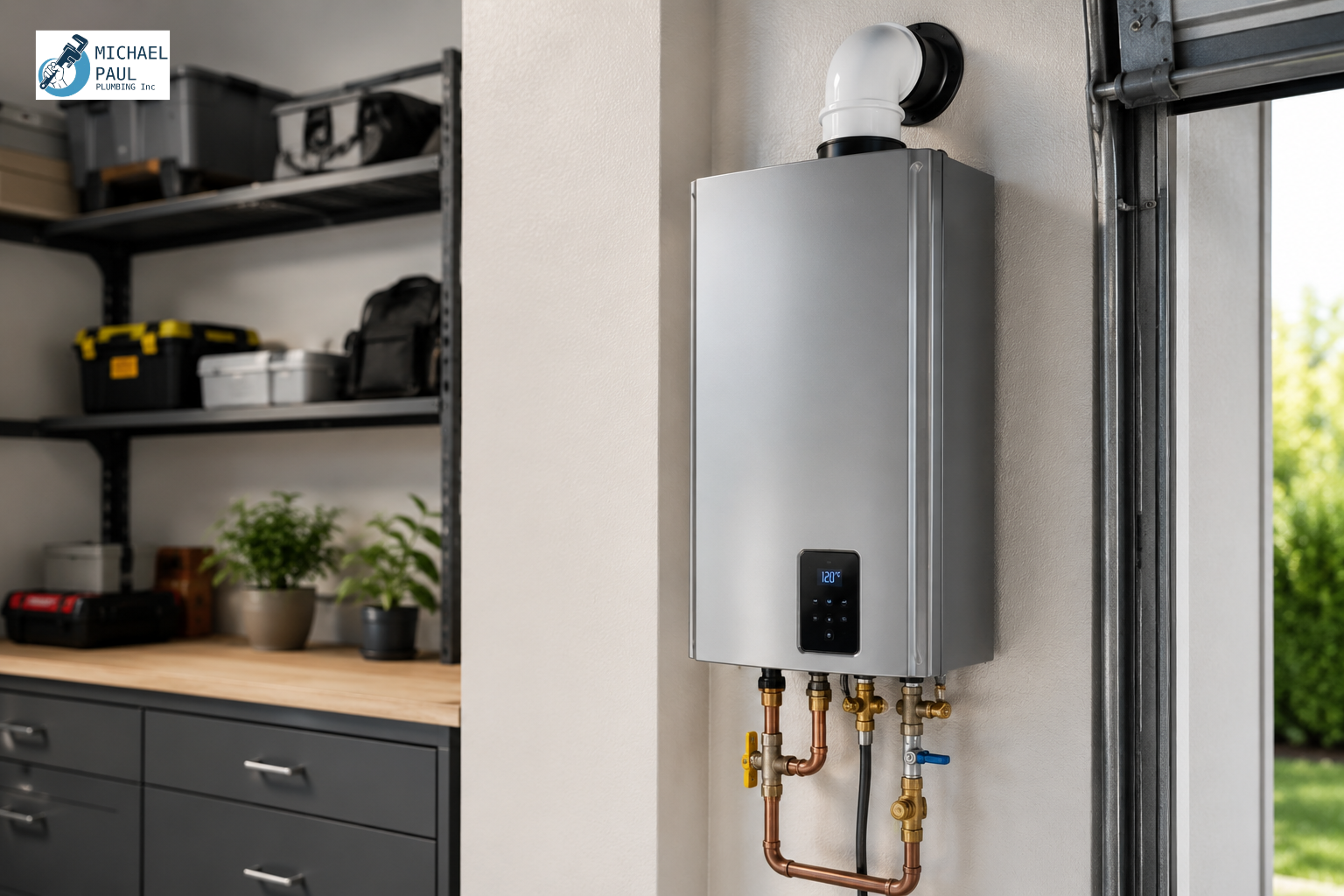
When gas services or water heaters are part of the project, rough-in plumbing includes gas piping runs and preliminary venting or flue arrangements. Rough-in must leave adequate space for the eventual installation of appliances, including clearances and combustion air provisions. For specialty systems like on-site water purification or sump pumps, rough-in ensures that inlets, outlets, and power access points are available for seamless integration later.
4. Latest Trends Affecting Rough-In Plumbing
4.1 Sustainable Materials and Recycled Components
The plumbing industry is increasingly integrating recycled materials and sustainable components into rough-in work. Recycled plastic pipes and reclaimed metal fittings reduce environmental impact while often meeting performance requirements. Adopting sustainable materials during rough-in is both a cost and image consideration for modern projects, and homeowners increasingly expect eco-conscious choices in new builds and remodels.
4.2 Smart Systems and Cloud-Based Management
Cloud-based plumbing management and smart sensors are moving into rough-in design planning. When rough-in includes planned sensor ports or access points for flow monitoring, it becomes much easier to install real-time monitoring systems that can detect leaks or optimize water usage. Preparing for connectivity and sensor placement during rough-in makes future smart upgrades far simpler and less disruptive.
4.3 Water Purification Integration
Advanced water purification systems like reverse osmosis and UV purification are increasingly included in whole-house plumbing plans. Rough-in work should account for dedicated feed lines, storage tanks, and drainage for these systems so they can be installed without retrofitting. Anticipating purification systems during rough-in results in cleaner installation and better long-term water quality for occupants.
5. Best Practices from Industry Experts
5.1 Comprehensive Planning and Blueprint Coordination
Experts emphasize thorough planning before rough-in begins. A detailed blueprint that maps plumbing routes, fixture locations, and service zones prevents conflicts with electrical and HVAC trades. Taking time in the planning phase to model routes and verify clearances saves time and expense during execution and ensures a smoother inspections process.
5.2 Strict Adherence to Codes and Inspections
Following local building codes and scheduling inspections at required milestones reduces the risk of failed inspections and rework. Plumbers who stay current with code changes improve safety and avoid project delays. Working closely with local building departments and understanding Arlington Heights' specific requirements helps projects move through permitting efficiently.
5.3 Coordination Among Trades
Effective communication between plumbing, electrical, HVAC, and framing teams prevents clashes that require expensive corrections. Regular coordination meetings and shared site drawings help each trade understand where penetrations, hangers, and clearances will be needed. Trades coordination during rough-in fosters a cohesive installation that reduces downstream surprises.
6. Practical Step-by-Step Guide to a Successful Rough-In
6.1 Step 1: Pre-Project Planning and Site Evaluation
Start with a site evaluation to assess existing utilities, soil conditions for septic or sewer tie-ins, and any unique structural constraints. Develop a plumbing plan that identifies primary and secondary service lines, fixture locations, and key access points. Coordinate the plan with framing and HVAC layouts so that rough-in routing avoids major obstructions and maintains necessary clearances.
6.2 Step 2: Layout, Marking, and Framing Adjustments
Before any cutting or drilling, mark precise locations for all pipe runs, stacks, and penetrations. Make framing adjustments where necessary to provide solid backing and avoid cutting critical structural members. Use protective sleeves and firestop materials at penetrations to meet safety and code requirements and to enable neat installation of pipes through studs and joists.
6.3 Step 3: Install Pipes, Supports, and Venting
Install supply and DWV piping according to the plan, maintaining required slopes and using approved joint methods. Secure piping with appropriate hangers and supports to prevent sagging or movement. Install vent stacks and ensure trap arms are sized and positioned to preserve proper venting and reduce the risk of trap siphonage.
6.4 Step 4: Rough-In for Appliances and Special Systems
Include stub-outs and space allocation for water heaters, purification systems, sump pumps, and any specialized equipment. Make sure gas lines are properly sized and pressure tested where applicable. Prepare electrical coordination for devices that will require power so junction boxes and conduits are available when finish work begins.
6.5 Step 5: Testing, Inspection, and Documentation
Perform pressure tests on supply lines and water tests on the DWV system to check for leaks and integrity. Document the as-built locations of hidden piping to aid future maintenance and remodels. Schedule required inspections and address any deficiencies promptly to avoid permit delays and additional costs.
7. Common Issues, Troubleshooting, and How to Avoid Them
7.1 Common Rough-In Mistakes
Typical mistakes include incorrect pipe slope, undersized venting, inadequate support for piping, and poorly located cleanouts. Other problems arise when plumbing routes conflict with electrical or HVAC runs, forcing last-minute changes. Identifying these risks in the planning phase and using coordinated blueprints reduces the likelihood of such errors and the costly rework that follows.
7.2 Troubleshooting On-Site Problems
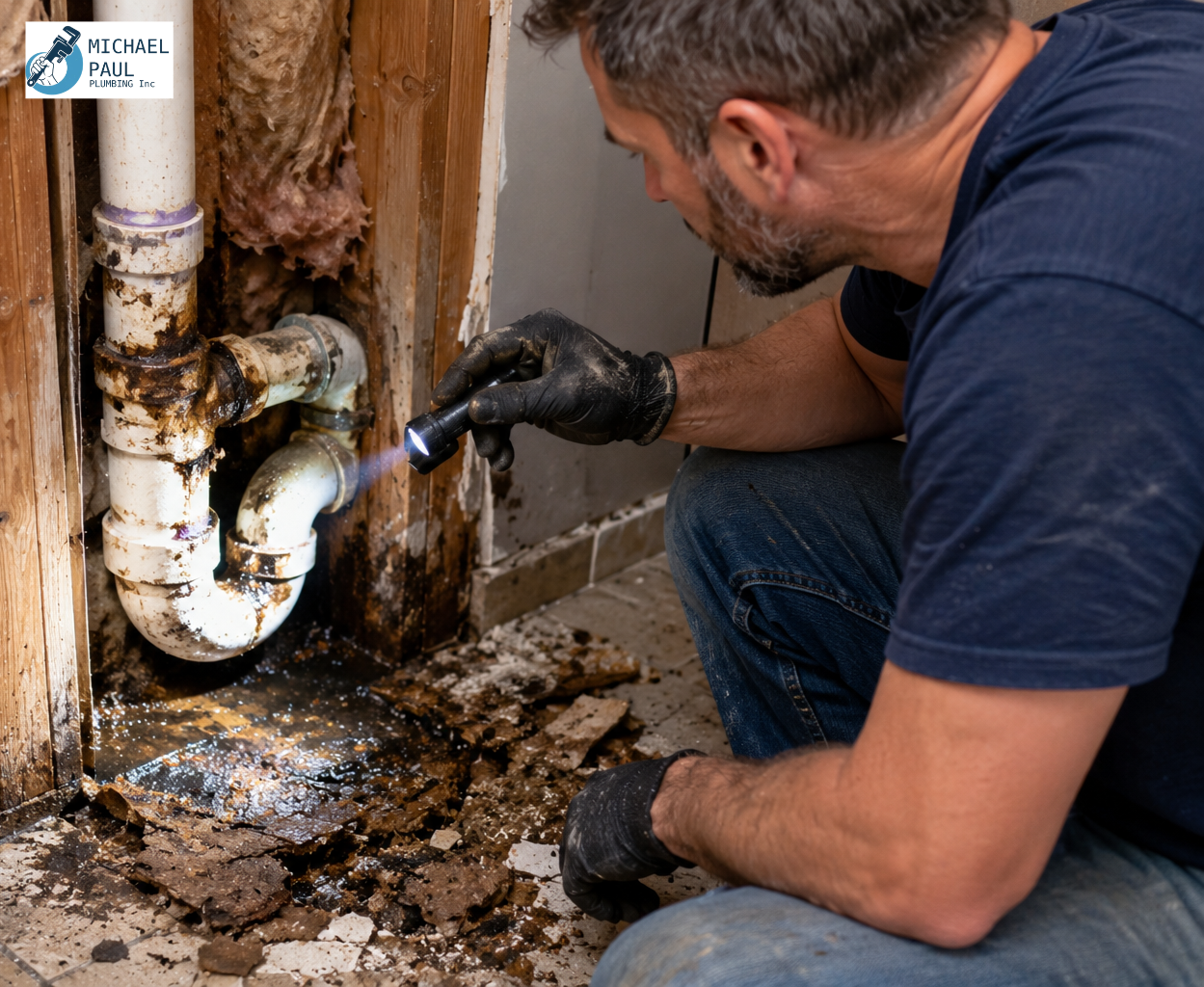
If tests reveal leaks or flow issues, isolate the problematic segment, pressure-test fittings, and inspect joints for proper sealing. For slope or venting problems, evaluate whether modifications can be made within the frame cavities or if selective opening of finishes will be necessary. Consider adding cleanouts or access panels during rough-in to make future troubleshooting less invasive.
7.3 When to Call an Expert
Complex projects, unusual site conditions, or code questions should prompt consultation with experienced plumbing professionals and engineers. Engaging experts early prevents missteps and keeps timelines on schedule. Our team for commercial plumbing services and remodel-focused crews are available to review plans and provide guidance on how to execute rough-in work efficiently and correctly.
8. Case Studies and Real-World Examples
8.1 Residential Remodel That Avoided Costly Rework
In a recent Arlington Heights renovation, detailed rough-in planning and cross-trade coordination prevented a major conflict between a planned vanity drain and an HVAC duct. By adjusting the plumbing routing on paper before cutting into studs, teams avoided reopening drywall and saved several thousand dollars. This case demonstrates how upfront collaboration and precise rough-in work reduce disruption and keep remodeling budgets intact.
8.2 New Construction with Smart Monitoring Considerations
A multi-unit project that integrated cloud-based leak detection at the rough-in stage realized early benefits. Sensor ports and access channels were included during rough-in, allowing installation of monitoring devices at finish without invasive work. The developer reported fewer call-backs and quicker diagnostics because monitoring devices were thoughtfully integrated during rough-in rather than added later.
8.3 Sump Pump and Flood Prevention Integration
Proper rough-in for basement waterproofing involves planned sump pit locations, discharge routing, and optionally battery backup provisions. In a home prone to seasonal groundwater, including a dedicated sump pump rough-in and provisioning for a battery backup system during initial construction saved significant expense and prevented potential water damage. Planning for these systems during rough-in protects properties and homeowners from future flooding risks.
9. Local Considerations for Arlington Heights and Illinois
9.1 Understanding Local Code Variances
While general plumbing principles are universal, local code amendments, inspection processes, and permit requirements vary. Arlington Heights contractors and homeowners should verify local amendments to the Illinois Plumbing Code and consult with the village building department. Working with professionals familiar with Arlington Heights rules streamlines approvals and ensures that rough-in work meets community-specific expectations.
9.2 Sourcing Materials and Skilled Labor Locally
Access to quality materials and trained plumbers in the region affects rough-in timelines and outcomes. Arlington Heights benefits from a network of local suppliers and trade professionals who understand regional climate impacts, common construction practices, and code nuances. Hiring local crews reduces logistics friction and often guarantees better responsiveness for inspections and punch lists.
9.3 Permitting, Inspections, and Documentation
Gather all required permits before starting rough-in to avoid work stoppages. Schedule inspections at the appropriate rough-in milestones and provide clear documentation of as-built locations after testing. Proper documentation helps future property owners, service technicians, and remodelers understand system routing without destructive exploration.
10. Frequently Asked Questions (FAQ)
10.1 How long does rough-in plumbing typically take?
Duration varies by project scope and complexity; simple residential rough-ins may take a few days while larger homes or commercial jobs can span weeks. Time depends on coordination with other trades, permit scheduling, and site complexity. Allow buffer time in project schedules for inspections and minor adjustments discovered during testing to avoid timeline surprises.
10.2 Can rough-in plumbing be changed after drywall is installed?
Changing rough-in after drywall is installed usually requires opening walls or ceilings, which is disruptive and expensive. Minor adjustments can sometimes be made by rerouting within cavities or using longer fixture connectors, but major changes often force demolition. That’s why careful planning and review during the rough-in phase are so important to avoid late-stage changes.
10.3 What tests are performed during rough-in?
Common tests include pressure testing of supply lines using air or water to check for leaks, and water fill tests for DWV systems to verify drain integrity and venting performance. Gas lines are pressure-tested per code requirements, and visual inspections ensure proper support, slope, and clearances. Successful testing and inspection are prerequisites for moving to insulation and drywall phases.
10.4 How do trends like recycled materials and smart systems affect costs?
Using recycled materials can lower material costs in some cases and support sustainability goals, though availability and local approvals affect pricing. Preparing rough-in for smart systems typically adds small incremental costs for access points and conduits, but these investments reduce future retrofit expenses and provide long-term value through monitoring and reduced maintenance. Many contractors report improved customer satisfaction when these technologies are planned early in the process.
11. Resources and Further Reading
11.1 Authoritative Guidance on Water Quality and Safety
For an overview of national water quality standards and guidance on safe drinking water, consult the U.S. Environmental Protection Agency: EPA Drinking Water Resources. This resource offers context for why integrating purification systems during rough-in can be valuable for ensuring water quality across a property.
11.2 Workplace Safety and Jobsite Best Practices
Occupational safety during rough-in is essential. The Occupational Safety and Health Administration provides extensive guidelines for construction safety practices, which help protect workers during invasive rough-in activities: OSHA Construction Safety. Following OSHA guidance minimizes accidents and supports a safer, more efficient job site.
11.4 General Background on Plumbing Systems
For a broad reference on plumbing history and system fundamentals, the Wikipedia entry on plumbing is a helpful primer for non-specialists: Plumbing — Wikipedia. While not a substitute for local code guidance, it provides useful context for how rough-in fits into the broader field.
12. Conclusion and Next Steps
Rough-in plumbing is a foundational phase that shapes the functionality, safety, and longevity of a building’s plumbing systems. From careful layout and material selection to code compliance and inter-trade coordination, this stage demands attention and expertise. Investing in high-quality rough-in work reduces lifecycle costs, minimizes future disruptions, and sets the stage for efficient finishing work and reliable operation.
If you’re planning new construction or a remodel in Arlington Heights and want a professional review of your rough-in plans, our team at Michael Paul Plumbing can help. We offer plan consultation, rough-in execution, and inspection coordination to make sure your project proceeds smoothly. Contact us at +1 847 710 9333 or info@localtrustedplumber.com, or learn more about our related services like water heater services, sump pump installation and repair, and sewer rodding and repair to protect your property.
Ready to avoid costly rework and ensure code-compliant, efficient plumbing for your next project? Reach out to schedule a consultation and get a thorough rough-in plan that saves time and money over the life of your building.