Plumbing Tips for Historic Homes: Common Issues and How to Fix Them
Historic homes have a charm all their own, taking you back in time. But keeping them in good shape means dealing with some unique plumbing challenges. In this guide, let's dive into common plumbing problems you might find in older homes and how to tackle them, so these beauties stay safe and functional for years.
Common Plumbing Problems in Older Homes
Old homes often come with outdated plumbing that can cause a few headaches. Knowing what these issues are is key to keeping things running smoothly.
1. Water Leaks
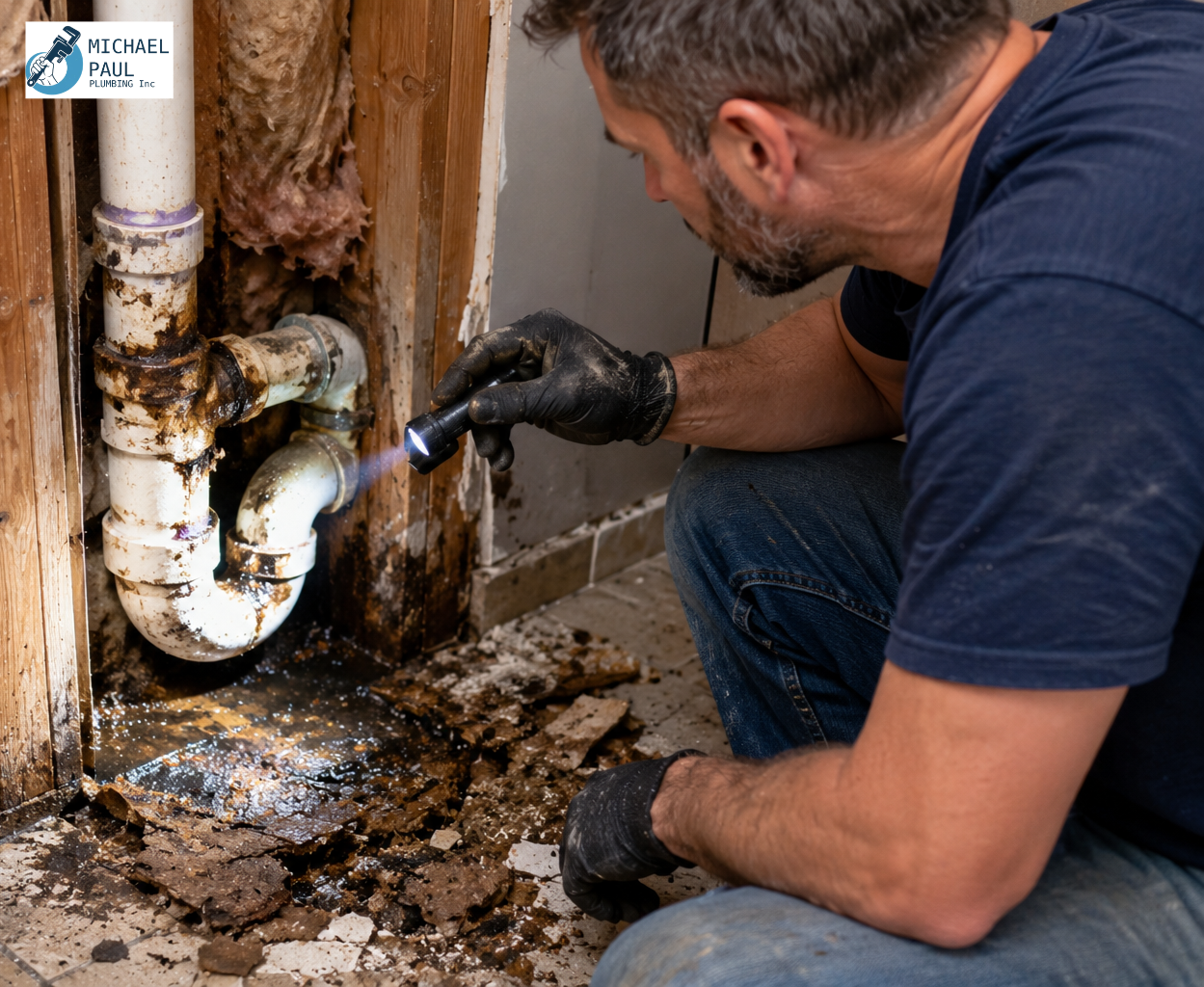
Water leaks are a big problem in historic homes, usually due to old, corroded pipes. These pipes can break down over time, causing leaks that might damage your home. Regular check-ups can catch early signs of trouble. Swapping out old pipes for something sturdier like copper or PVC can help stop leaks before they start. Want more tips on keeping your plumbing in check? Check out our residential plumbing services.
2. Low Water Pressure
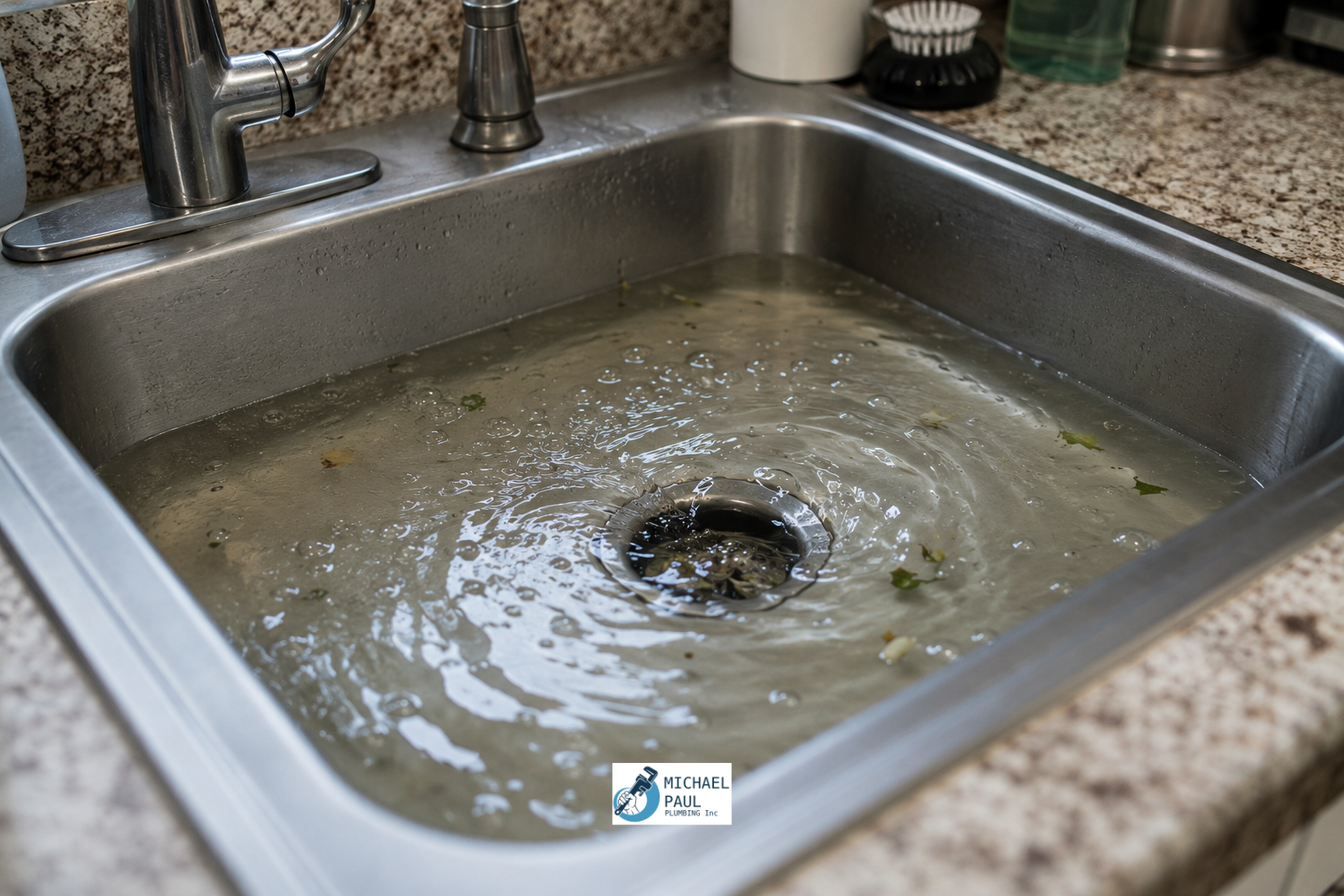
Low water pressure is another common issue, often because of mineral buildup or leaks. Keeping your pipes clean and fixing any leaks quickly can keep your water pressure where it should be. Curious about how we can help? Look into our plumbing remodeling services.
3. Lead in Drinking Water
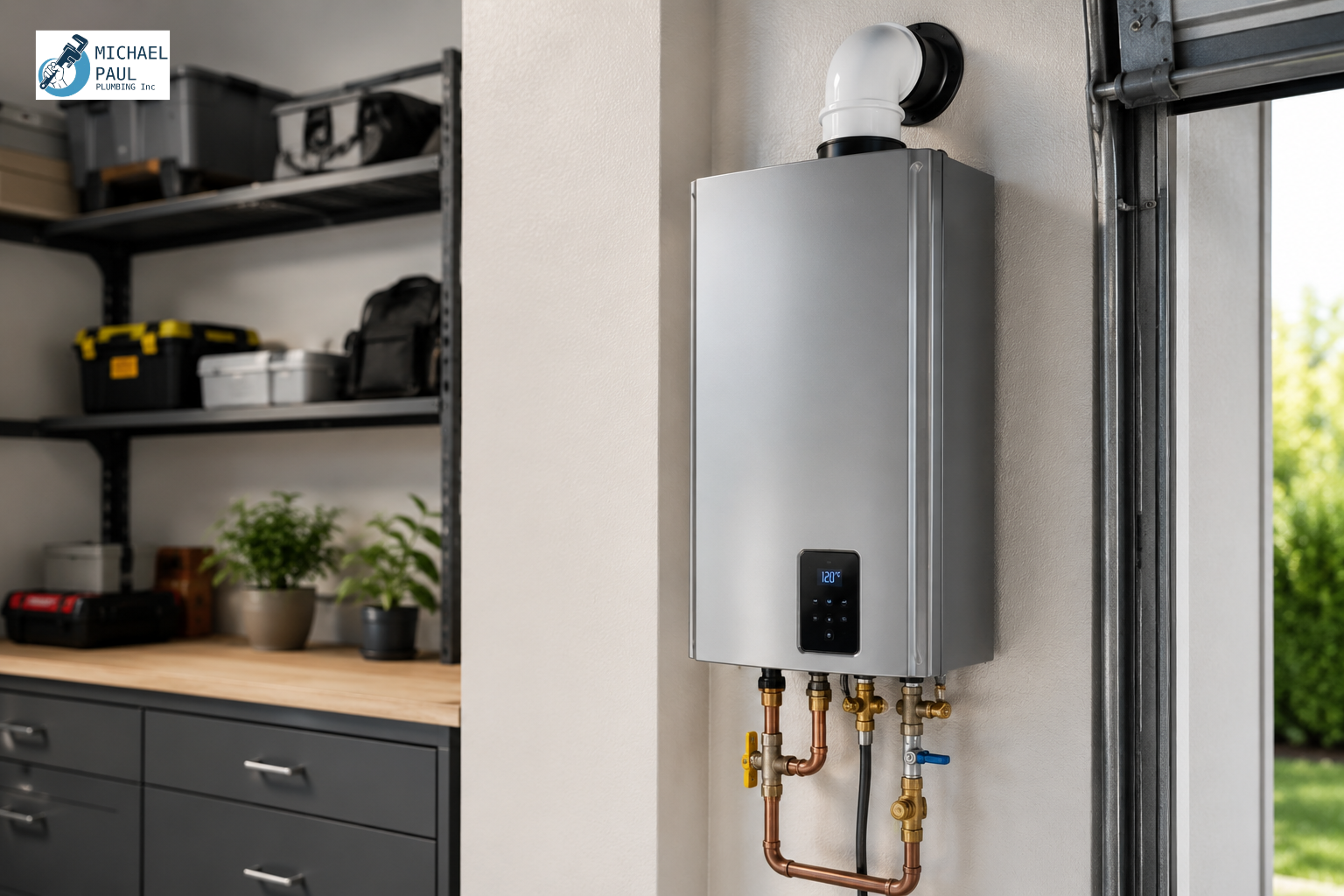
If your home was built before 1986, there's a chance the plumbing might have lead, which is a health risk. Replacing any lead parts and testing your water regularly can help keep your drinking water safe. For reliable plumbing solutions, check out our water heater services.
Pro Tips and Best Practices
Plumbing pros stress the importance of regular check-ups and maintenance. Spotting issues early can save you from costly fixes down the road and keep your plumbing humming along.
Regular Check-Ups
Getting your plumbing inspected every couple of years can catch problems before they get big. Look for things like water stains, strange noises, or low water flow, which could mean something's up.
Preventive Maintenance
Keeping up with maintenance can really extend the life of your plumbing. This means cleaning drains, checking for leaks, and making sure everything meets safety standards. Learn more about our sump pump installation and repair services for helpful maintenance solutions.
Real-World Stats and Examples
Did you know around 31 million homes in the U.S. built before 1978 still have lead-based paint? These homes often have outdated plumbing too. In Arlington Heights, old homes often deal with pipe corrosion and mold due to humidity. By doing detailed inspections, homeowners can catch these issues before they cause major damage.
Common Questions and Concerns
Here are some questions homeowners often have about older plumbing systems:
How can I identify lead pipes?
Lead pipes are usually gray and soft. If you're not sure, it's best to have a plumber check it out.
How often should I inspect my home's plumbing?
You should have inspections every 2-3 years, or sooner if you notice issues like water stains or low pressure.
Case Studies and Local Insights
In South Florida, many older homes face problems like corroded iron pipes and mold from humidity. Similarly, in Arlington Heights, with its mix of historic and newer homes, homeowners need to stay alert for plumbing issues. Teaming up with knowledgeable pros can help keep these homes safe and sound.
Wrapping Up: Keeping Your Historic Home Safe
Taking care of a historic home takes effort and a proactive approach. By understanding common plumbing issues and staying on top of maintenance, you can keep your home beautiful and safe. For expert plumbing help, reach out to Michael Paul Plumbing at +1 847 710 9333 or visit our website. We're here to help keep your historic home in great shape.
For more tips on eco-friendly plumbing, check out our guide to sustainable plumbing.